Critical fuel delivery marks decisive shift in Niamey’s supply strategy
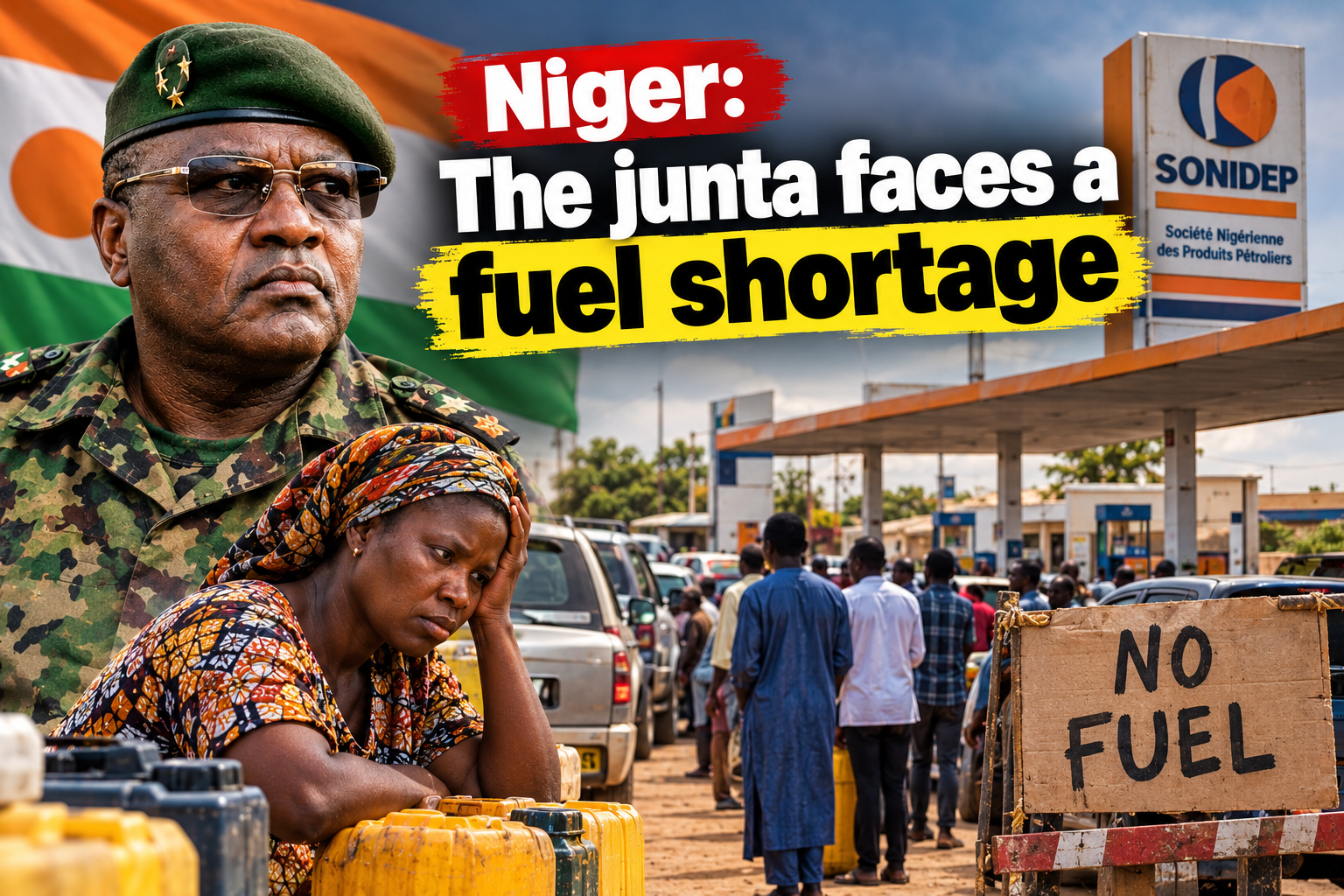
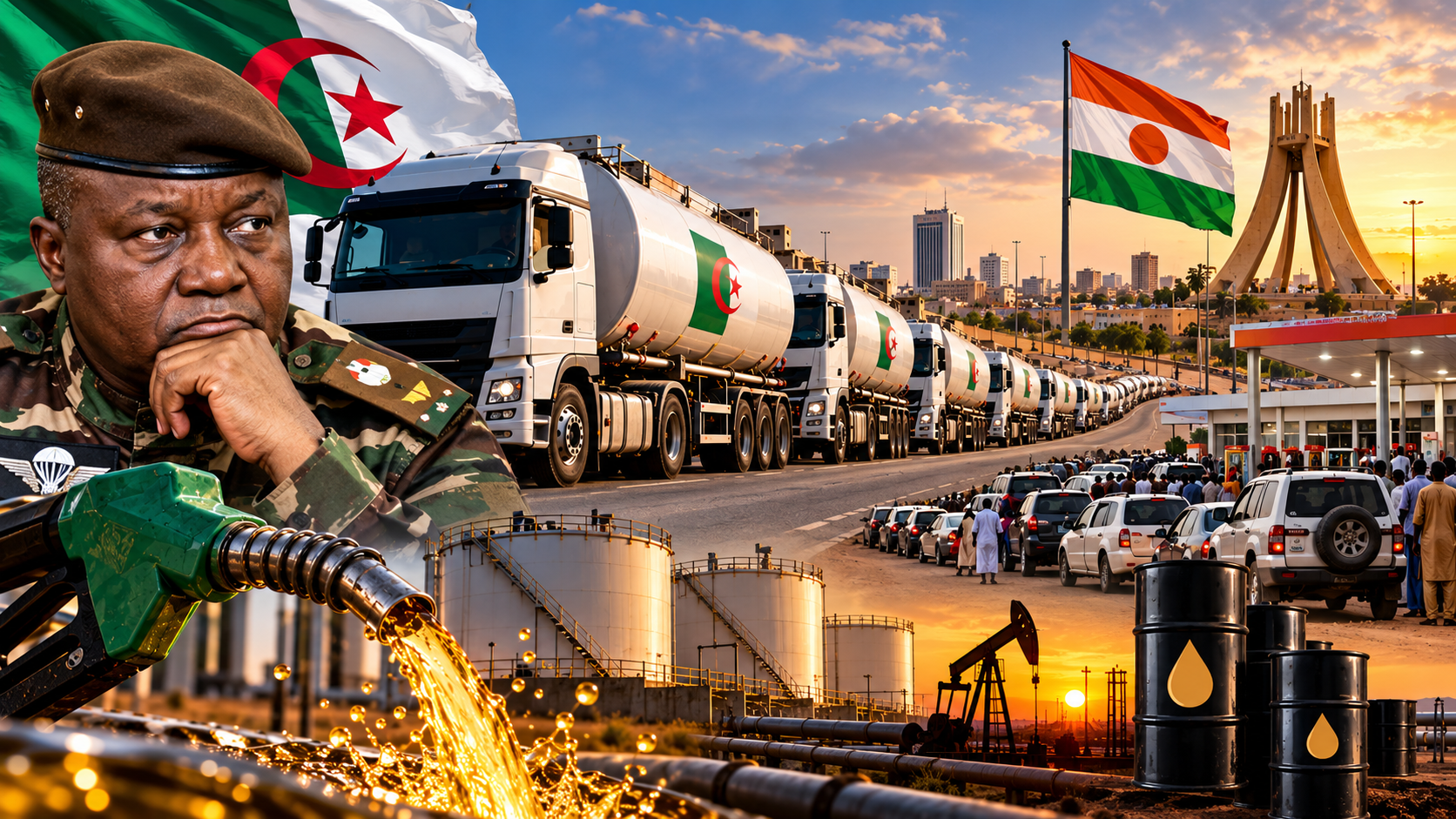
Niamey has received a decisive shipment of 3.75 million liters of Algerian fuel, a turning point in the nation’s energy supply strategy. The unexpected redirection of 150 tankers initially intended for Agadez underscores a major shift in handling the country’s fuel crisis, raising questions about cost, strategy, and long-term security.
From Agadez to Niamey: why the sudden supply realignment?
The shipment, originally allocated to support fuel shortages in Agadez, was redirected to Niamez where fuel demand remains critically high. With 25,000-liter tankers now arriving in the capital, authorities face scrutiny over their logistical priorities and the rationale behind this sudden change.
While no official explanation has been provided, the move suggests an urgent adjustment to Niamey’s fuel needs. Whether driven by immediate necessity, logistical constraints, or a shift in national priorities, the redirection highlights the challenges of balancing supply across the country’s regions.
800 FCFA per liter: a strategic cost or emergency expense?
The arrival of Algerian fuel at 800 FCFA per liter compared to Nigeria’s previous 702 FCFA rate has intensified debates over supply economics. The price difference, amounting to nearly 100 FCFA per liter, raises concerns about the financial sustainability of relying on Algerian imports over Nigeria’s traditionally cheaper corridor.
But cost alone does not tell the full story. The 3.75 million-liter delivery represents more than raw numbers it symbolizes a potential pivot in Niger’s energy security framework, even as the premium price tag demands justification.
Beyond the price: what does the trade agreement entail?
The deal includes repayment in crude oil, a clause that complicates cost comparisons. While no immediate cash outlay is required, the exchange introduces variables that affect the true economic impact. How will the crude oil be valued? What quantities will be exchanged? And how does this arrangement compare to alternative supply routes?
The absence of clear answers only fuels speculation, leaving citizens and analysts to question whether Niamey’s fuel needs justify the premium or if the shift reflects deeper vulnerabilities in the national supply chain.
Fuel security: can 3.75 million liters prevent the next crisis?
Niamey’s fuel supply remains precarious despite the infusion of new stock. The 3.75 million liters, while substantial, represent a temporary buffer rather than a long-term solution. The real test will be how authorities allocate and manage the reserves.
Will the fuel serve immediate consumption, or will it be stored as a strategic reserve? Without transparency, it is unclear how long the capital’s reserves would last in the event of another supply disruption.
Fuel security requires more than emergency deliveries it demands a robust storage infrastructure, regular stock rotation, and fail-safe distribution systems to prevent both shortages and waste.
Urgency vs. strategy: balancing immediate needs with long-term vision
The arrival of Algerian fuel marks a turning point, but it should not overshadow the need for systematic improvements. Niamey cannot afford to depend solely on ad-hoc deliveries when its economy, public services, and social stability depend on uninterrupted fuel access.
A well-planned reserve system would mitigate the risk of future disruptions, reducing reliance on costly emergency measures. Yet without clear policies on stockpiling and distribution, the capital remains vulnerable to the next logistical setback.
The road ahead: clarity, cost, and control
As Niger navigates this fuel crisis, three key questions must be addressed:
Transparency: Why was the fuel redirected to Niamey, and how will Agadez’s needs be met?
Cost effectiveness: Does the Algerian deal offer better overall value, considering crude oil repayment terms?
Future resilience: Will the capital build lasting fuel reserves, or remain hostage to emergency shipments?
Without answers, the arrival of 3.75 million liters of Algerian fuel remains a temporary fix in a country still searching for a sustainable energy strategy.
By Ramatou Soumana — Journalist