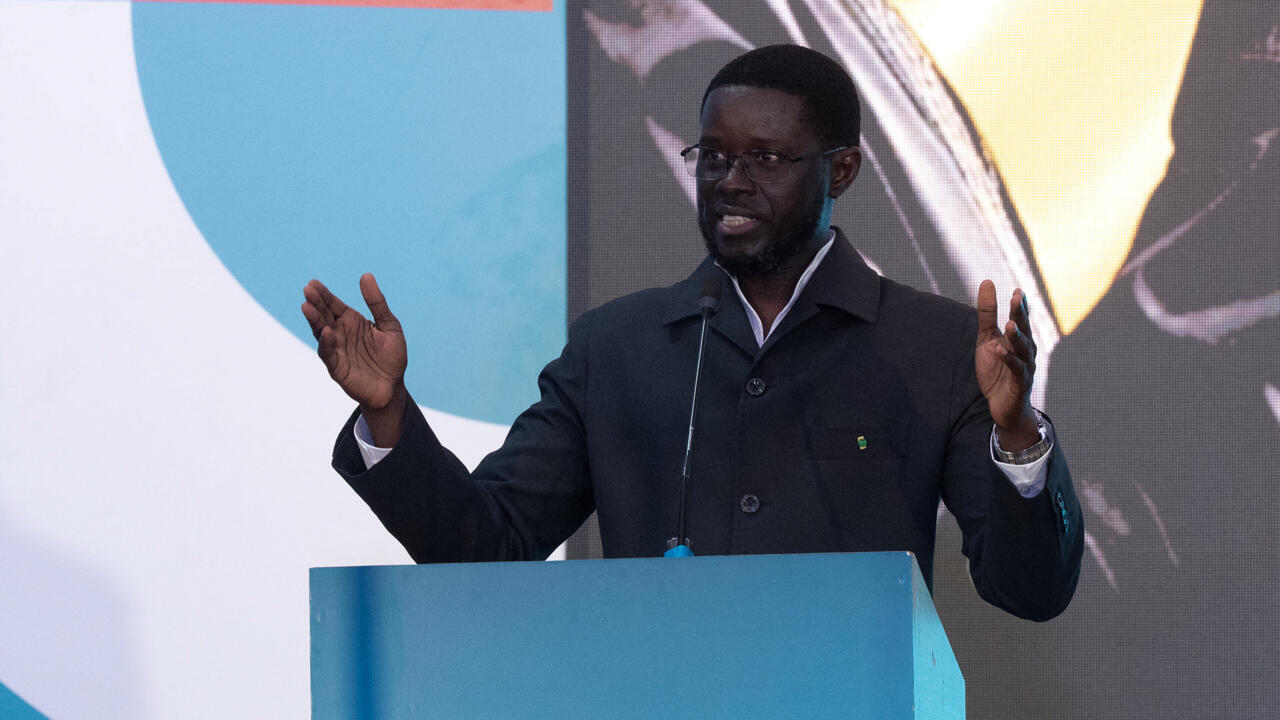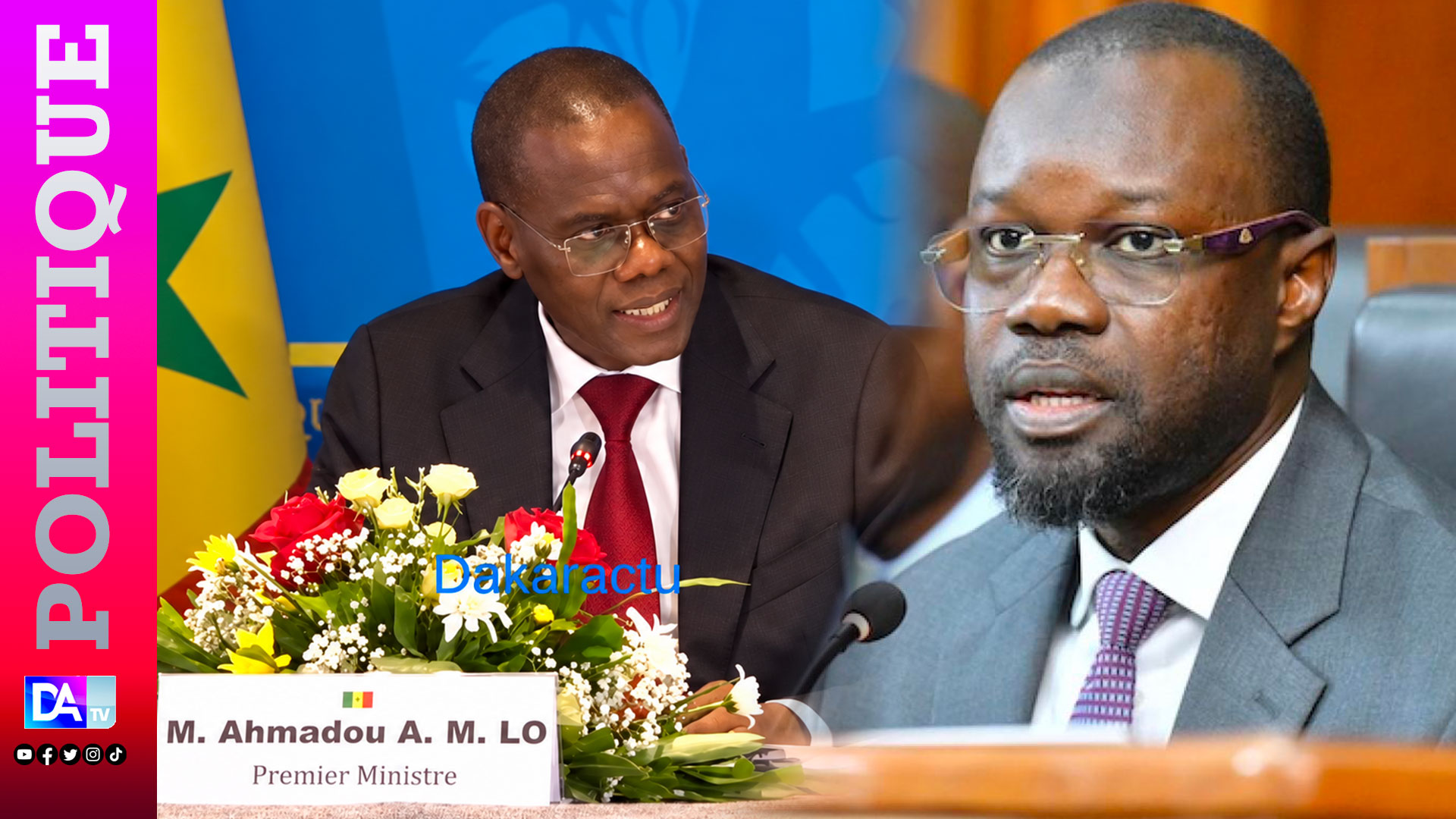
Senegal’s Prime Minister, Al Aminou Lo, has firmly defended the 2026 Rectified Finance Bill (LFR), asserting it directly aligns with the Initial Finance Law (LFI) tabled by former Prime Minister Ousmane Sonko last year. Speaking at a press briefing, Lo clarified that the adjustments are not arbitrary but stem from pressing economic realities impacting state revenues and expenditures.
Government insists on continuity with initial budget framework
The Prime Minister emphasized that the LFR builds on the LFI, which was approved by a large majority in the National Assembly. According to Lo, the revised budget simply addresses external economic shocks—such as soaring energy prices and declining revenue streams—that have disrupted fiscal projections since the original law’s adoption. While critics argue the adjustments introduce unwarranted changes, the government maintains these are necessary corrective measures.
Contradictors face scrutiny over prior endorsements
Lo raised pointed questions about the sudden opposition from some lawmakers who, in December 2025, supported the LFI without reservation. He challenged the National Assembly’s current critics to articulate concrete objections, framing the debate as a shared responsibility. “If elements of the original budget are now deemed problematic, where were these concerns when the law was passed?” Lo asked.
Energy costs and revenue shortfalls underpin revisions
The adjustments prioritize sectors hardest hit by the economic downturn. Key areas affected include:
- Energy subsidies: Increased global fuel prices forced higher state outlays, straining the budget.
- Tax revenue declines: Slumping trade and reduced economic activity reduced expected inflows.
- Inflation mitigation: Additional allocations aim to cushion citizens from rising living costs.
The Prime Minister conceded that while no budget is perfect, the LFR reflects a pragmatic response to unprecedented fiscal pressures.
Political fallout intensifies as critics question transparency
Legislators from the opposition, including figures within Sonko’s PASTEF alliance, have accused the government of overstepping its mandate by introducing sweeping changes without broader consultation. They argue the LFR circumvents proper parliamentary scrutiny, citing procedural irregularities in its fast-tracked approval.
Lo fires back at opponents
Dismissing accusations of opacity, Lo stated that the government had engaged stakeholders from day one. “We are not improvising,” he asserted. “Every adjustment targets measurable gaps in the original budget, and we stand ready to explain each line item in detail.” His remarks underscore a widening rift between the executive and parts of the legislature over fiscal governance.
What’s next for Senegal’s 2026 budget?
The revised law now awaits final parliamentary approval. With economic pressures mounting, the stakes are high. Success hinges on two critical factors:
- Fiscal discipline: Striking a balance between spending needs and revenue constraints.
- Stakeholder buy-in: Garnering support from both lawmakers and the public to ensure smooth implementation.
As Senegal navigates these financial headwinds, the government’s ability to defend the LFR may well determine the trajectory of its economic recovery in 2026 and beyond.