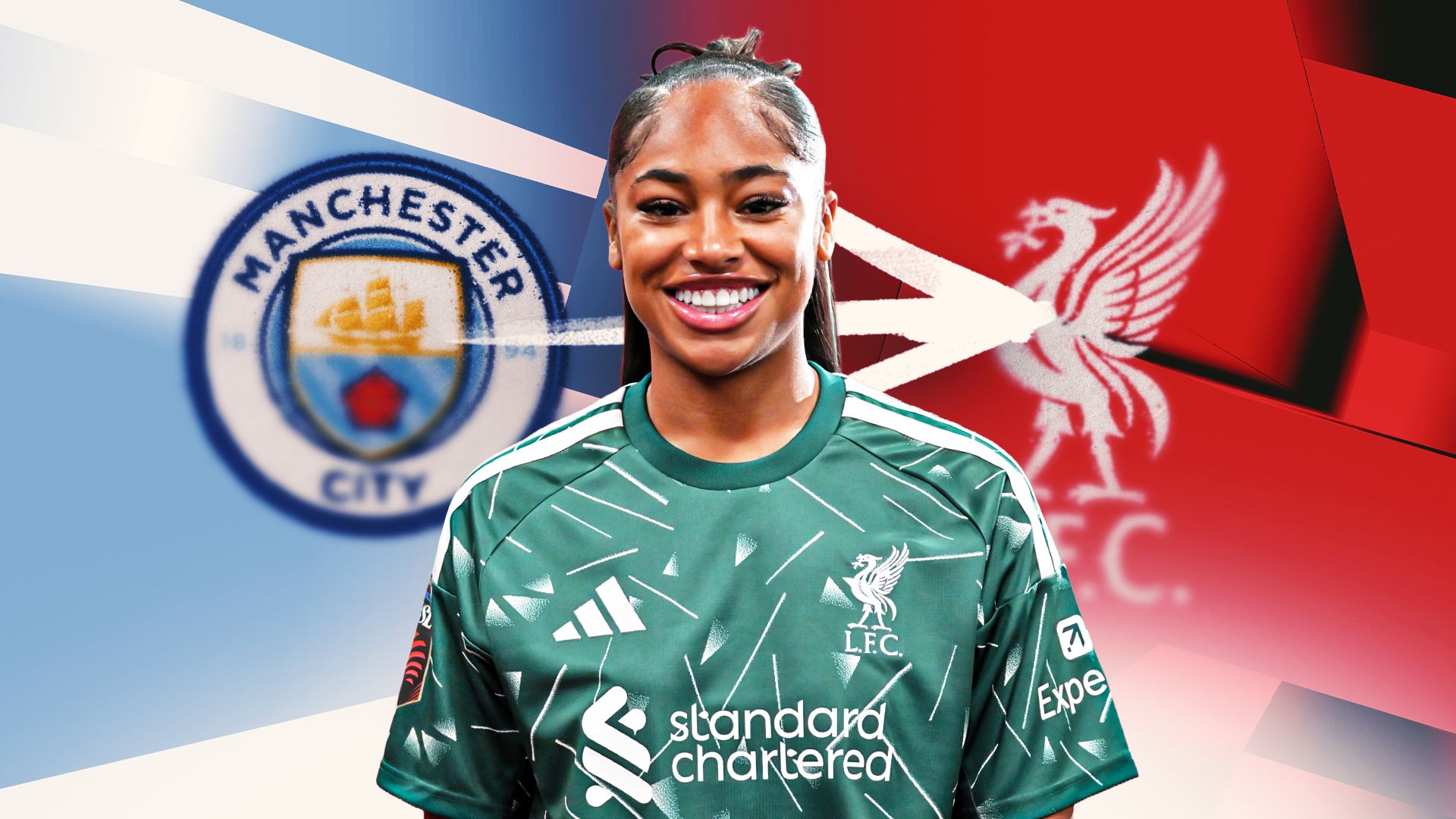
The 2026 summer transfer window has set the stage for a transformative season in women’s football, with marquee deals already reshaping the landscape ahead of the 2027 FIFA Women’s World Cup. From record-breaking moves to strategic upgrades, clubs across Europe are making bold statements—none more so than Liverpool’s shock capture of Khiara Keating from Manchester City.
why khiara keating’s move to liverpool is a game-changer
For Manchester City, Keating’s departure represents a significant loss. Once a reliable backup between the posts, her consistent performances were crucial to the club’s recent WSL triumphs. However, limited game time in the past year had pushed her further down the pecking order, making her exclusion from England’s international squad all but inevitable. Her free transfer to Liverpool, where she joins a side hungry for top-tier talent, couldn’t come at a better time—not just for her career, but for her hopes of securing a World Cup spot.
At Anfield, Keating steps into a first-choice role under Gareth Taylor, a coach who knows her strengths intimately from her time at City. While she’s still developing, the regular minutes she’ll receive at Liverpool should accelerate her growth. For an England side rebuilding its defensive identity, her arrival at a competitive club is a statement of intent.
how the summer’s biggest transfers are redefining the women’s game
The 2026 market has already rewritten the rulebook, with transfers like Alexia Putellas to London City Lionesses and Georgia Stanway to Arsenal sending shockwaves through the sport. These deals aren’t just about swapping jerseys; they’re about shifting power dynamics in the Women’s Super League and beyond.
Putellas’ move from Barcelona to London marks a seismic shift in ambition. After dominating Spanish football with multiple titles, the Ballon d’Or winner is trading guaranteed trophies for a new challenge in the WSL. While London City may not be ready for immediate title contention, Putellas’ star power alone raises the club’s profile and could inspire a generation of young players in England.
Stanway’s return to England is equally telling. After revitalizing her career in Germany, the England international is back in the WSL, where she’ll be instrumental in Arsenal’s push for domestic and European glory. Her experience and versatility make her a perfect fit for a side aiming to end an eight-year trophy drought.
key takeaways from the summer’s most impactful deals
- Manchester City’s defensive overhaul: Losing Keating is a blow, but their recruitment of Beth Mead from Arsenal signals a bold statement of intent. Mead’s ability to play across the front line adds depth to a side already brimming with attacking talent.
- Arsenal’s tactical revolution: With Stanway, Ona Batlle, and Selina Cerci added to the ranks, the Gunners are building a squad capable of competing on all fronts. Their focus on young, high-potential players like Lisa Baum suggests a long-term vision.
- London City’s rise: Putellas’ arrival is just the latest in a string of high-profile signings, including Mapi Leon and Mary Earps. The club’s investment in established stars is paying off, with ambitions now firmly set on challenging for the WSL title.
what these transfers mean for england’s world cup 2027 prospects
For England manager Sarina Wiegman, the summer’s transfers are a double-edged sword. On one hand, the influx of talent at clubs like Arsenal, Manchester City, and Liverpool means more players will be competing for spots in the squad. On the other, the shifting dynamics could disrupt team chemistry and tactical plans.
Keating’s move to Liverpool is particularly significant. With Mary Earps now at London City and Katie McCabe joining Chelsea, England’s defensive ranks are in flux. Keating’s rise at Liverpool could force Wiegman to rethink her goalkeeper hierarchy, especially if she delivers consistent performances in the WSL.
For players like Georgia Stanway and Alexia Putellas, the transfers offer a chance to showcase their talents on a bigger stage. While neither will be guaranteed starting roles in the England squad, their experiences in high-pressure environments will only strengthen their cases for selection.
the bigger picture: is england closing the gap to world leaders?
The 2026 transfer window has underscored a fundamental shift in women’s football: clubs are no longer just competing for trophies; they’re investing in the future of the game. England, long seen as a rising power, is now a destination for the sport’s biggest names, from Putellas to Stanway.
For fans, this means a more competitive and unpredictable WSL. For England’s World Cup hopes, it’s an opportunity to build a squad capable of challenging for the ultimate prize. The question now is whether these transfers will translate into success on the pitch—and whether Wiegman can harness this new wave of talent to finally end the Lionesses’ wait for a major trophy.