Wagner mercenaries’ ruthless empire in Central African mines and terror
Behind the fragile calm in Central African Republic (CAR) lies a shadowy empire of violence, mineral exploitation, and geopolitical influence. Russian mercenaries from the Wagner Group have carved out a brutal business model that trades in human suffering for profit, transforming the country’s rich gold and diamond fields into battlegrounds of terror.
The deadly synergy of mining and militarization
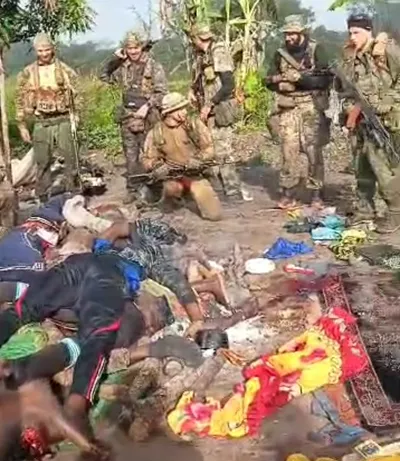
Since deploying in the Central African Republic, Wagner operatives have positioned themselves not just as security providers but as de facto rulers of key mining zones. Their presence has turned once-remote areas into high-risk zones, where local communities face extortion, forced labor, and summary executions under the guise of ‘protection.’
The group’s control over mining operations is systematic. They seize control of mineral-rich concessions, often displacing artisanal miners with brutality. Reports from the ground indicate that Wagner-linked forces have established private taxation systems on gold and diamond exports, funneling millions in revenue outside national coffers and into offshore accounts.
From security contractors to war profiteers
Initially presented as a stabilizing force under bilateral agreements with Bangui, Wagner’s role has evolved into a predatory venture. Their operations now include:
- Extraction under armed guard: Armed patrols ensure no unauthorized mining occurs, while workers—often coerced—dig under threat of violence.
- Looting disguised as investment: Profits from mineral sales are siphoned to fund parallel military campaigns and political influence campaigns.
- Human cost: Local populations report disappearances, torture, and public executions as tools to enforce compliance and silence dissent.
In towns like Bambari and Zémio, residents describe a climate of fear where Wagner operatives act with impunity. The group’s activities have coincided with a surge in civilian casualties, displacement, and the collapse of fragile local economies that once depended on artisanal mining.
Geopolitical shadow play and economic plunder
The Wagner Group’s operations in the Central African Republic are not isolated. They are part of a broader strategy to expand Russian influence across Africa, leveraging mineral wealth, military presence, and disinformation campaigns. By positioning themselves as defenders against jihadist threats—real or exaggerated—they gain access to lucrative contracts and state resources.
Economic analysts point to a clear pattern: Wagner-linked firms secure mining rights in exchange for ‘security services,’ but the real beneficiaries are hidden behind layers of shell companies in jurisdictions known for financial opacity. This has left the Central African Republic with little to show for its natural wealth, while foreign entities pocket billions.
The international community’s muted response has only emboldened Wagner. Without strong sanctions or accountability, the group continues to operate with near-total impunity, using the Central African Republic as a testing ground for a ruthless business model that could soon spread to other resource-rich but fragile states.
Can the cycle of violence be broken?
Local civil society groups and some factions within the government have begun to push back, demanding transparency in mining contracts and the withdrawal of foreign armed groups. However, resistance is dangerous. Journalists, activists, and even officials who criticize Wagner’s role have faced intimidation, arrest, or worse.
As the Central African Republic’s mineral wealth continues to fuel conflict rather than development, one question looms large: who truly benefits from the terror business in the heart of Africa?