Constitutional amendments spark delayed vice-presidential appointment
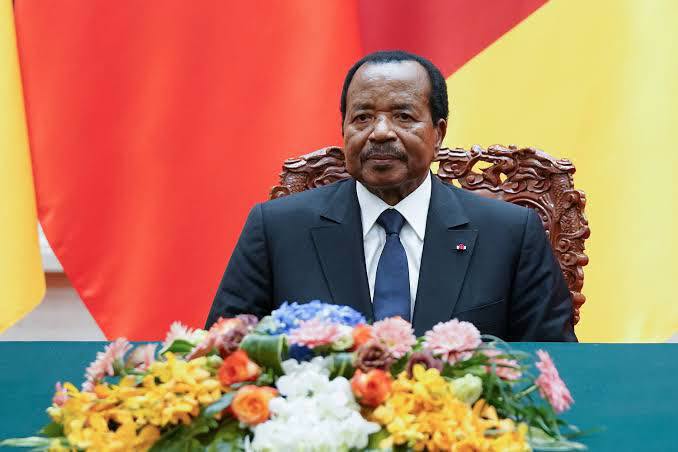
The prolonged absence of a vice-president in Cameroon isn’t merely a political maneuver or an ongoing power structure negotiation at the highest echelons of government. Instead, it reflects President Paul Biya’s deeply personal concerns about the implications of April’s constitutional reforms, according to political analyst Stéphane Menounga.
Menounga suggests that Biya, now 93, has become acutely aware of the risks associated with appointing a vice-president who could play a pivotal role in determining his definitive incapacitation. The analyst argues that the president’s hesitation stems from the new constitutional clause that empowers the vice-president to participate in declaring a president permanently unable to serve.
« When President Biya reviewed the Constitution himself, he grasped the implications immediately. There’s no six-month window before they declare me permanently incapacitated if I appoint a vice-president », Menounga explained during an appearance on NTV, referencing Pierre Blériot Nyemeck’s television channel.
Succession uncertainty fuels political maneuvering
Since April 2026, when the vice-presidency was reinstated in Cameroon’s Constitution, the position has remained vacant. The restoration of this role was not a symbolic gesture—it introduced a crucial mechanism where the vice-president would be involved in the process of confirming a president’s definitive incapacitation, thereby ensuring state continuity.
With Biya still the sole decision-maker in selecting his future vice-president, the prolonged delay raises questions about his strategic intentions. Menounga asserts that the president’s reluctance to fill the position may stem from his unwillingness to install a figure who could significantly influence his succession timeline. Despite growing pressure from political stakeholders emphasizing the urgency of this appointment, Biya’s deliberation continues unabated.
The invisible power struggle behind closed doors
Within Cameroon’s political circles, whispers of potential favorites for the vice-presidential role persist, though none have been officially endorsed. The president’s final decision remains shrouded in mystery, with Biya acting as the ultimate arbiter of his own succession strategy.
As debates intensify in public and private spheres, the vice-presidential void underscores deeper anxieties about the country’s political future. The delay isn’t just administrative—it’s a calculated pause that may redefine the landscape of Cameroon’s leadership transition.