Government scrambles for support ahead of crunch parliamentary vote
The Senegalese government is racing against time to salvage its revised budget proposal after MPs from its own coalition delivered a stinging rebuke, triggering fresh political turbulence ahead of a high-stakes assembly vote this week.
From warning shot to decisive moment
Last Friday, the draft supplementary budget suffered a significant setback when the ruling coalition’s own deputies on the finance committee overwhelmingly rejected the text. As the clock ticks toward Tuesday’s plenary session, the government now faces a critical challenge: securing backing from lawmakers who share its political affiliation but question its spending priorities.
Why would a ruling party undermine its own government?
The rejection by Pastef MPs—despite occupying 80% of assembly seats—highlights growing discomfort within the majority bloc over fiscal decisions that could affect public services, social investments, or debt management. While the exact objections remain debated, the move signals that parliamentary discipline can no longer be taken for granted, even on central budget files.
The episode exposes deeper tensions: balancing rigorous public finance management with political promises, and reconciling executive decisions with legislative scrutiny. With economic pressures mounting—rising inflation, debt servicing, and development needs—the government’s room for maneuver is shrinking fast.
Budget shifts spark internal power struggle
The proposed adjustments to the 2023 finance law aim to correct revenue shortfalls and redirect funds to priority sectors. But these recalibrations are colliding with expectations from legislators who advocate for higher social spending or targeted tax relief.
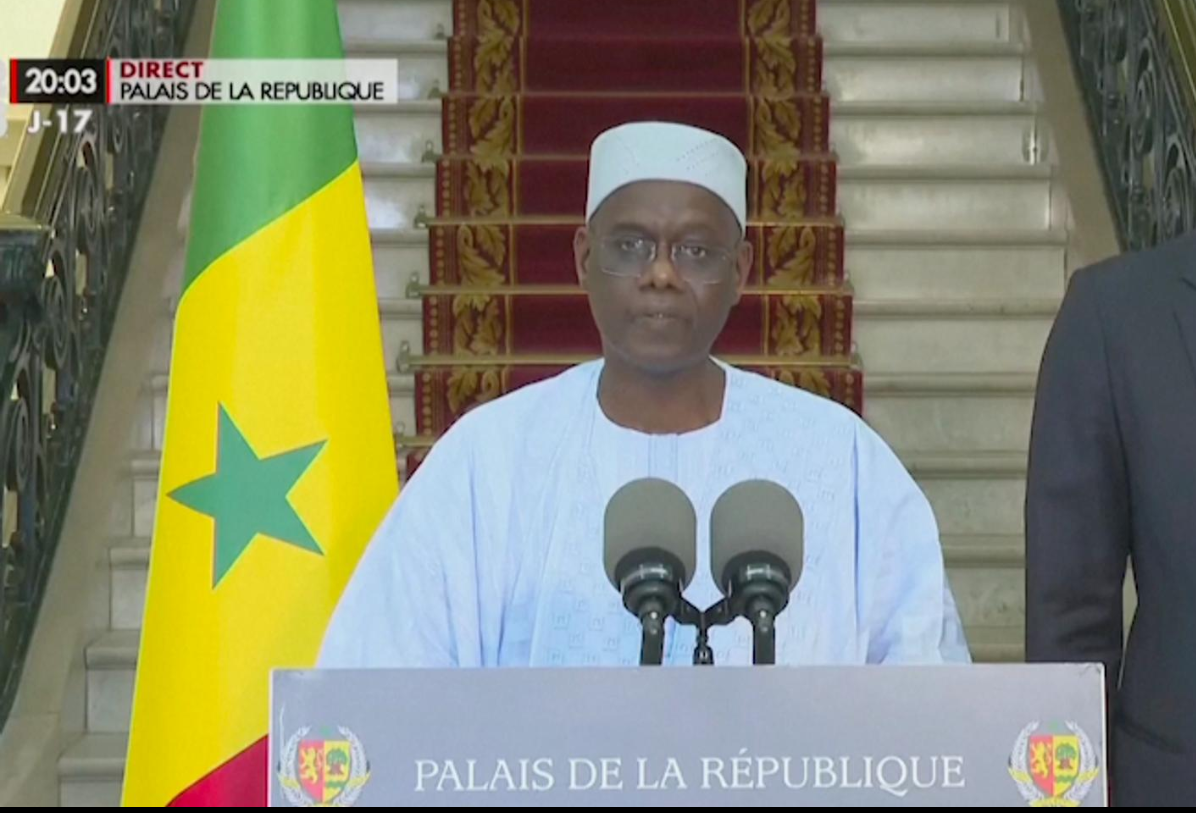
Prime Minister Ahmadou Al Aminou Lô now faces a delicate task: defending fiscal choices while opening space for negotiation without surrendering core objectives. Failure to find common ground risks paralyzing government operations, delaying critical projects, and eroding investor confidence in Senegal’s economic stability.
What’s at stake for Senegal’s economy?
A blocked budget means frozen public investments, delayed salary payments for civil servants, and potential downgrades by rating agencies. It could also undermine ongoing reforms and donor confidence during a period of global monetary tightening.
The risk isn’t just procedural—it’s systemic. A prolonged standoff could embolden opposition voices beyond the ruling coalition and test the resilience of Senegal’s democratic institutions at a sensitive time.Dialogue becomes last stand before plenary showdown
In response to the committee defeat, the Prime Minister has intensified closed-door negotiations with dissident legislators, focusing on selective amendments—such as reallocating funds or delaying certain cuts—that might secure enough votes to pass the revised budget.
The tactic reflects a shift from confrontation to concession: acknowledging concerns without abandoning fiscal responsibility. But time is running out. Every delay increases the cost of uncertainty for businesses, civil servants, and development partners relying on clear budget signals.
Can compromise avert a parliamentary crisis?
The coming days will determine whether mutual concessions can bridge the divide or if the assembly session becomes a stage for open confrontation. For the government, it’s a test of leadership; for the deputies, a moment to assert their role as a real check on executive power—within the limits of their own coalition loyalty.
The outcome will shape not only the budget’s fate but also the very nature of governance in Senegal: whether decision-making remains centralized under party discipline or evolves toward a more collaborative, accountable model.
A nation holds its breath ahead of the vote
As Senegal prepares for Tuesday’s plenary battle, the prime minister’s ability to bridge divides—and the deputies’ willingness to prioritize national stability over partisan positioning—will decide more than numbers on a spreadsheet. They will define whether this crisis becomes a turning point toward stronger parliamentary oversight or a warning sign of deeper institutional fragility.