While Sénégal is often cited as a democratic beacon in Afrique, the country is currently facing significant hurdles in ensuring women are represented within its highest decision-making bodies. The current landscape is marked by a stark disparity, with only 18 women serving as mayors across 558 communes and just 3 women presiding over the 43 departmental councils.
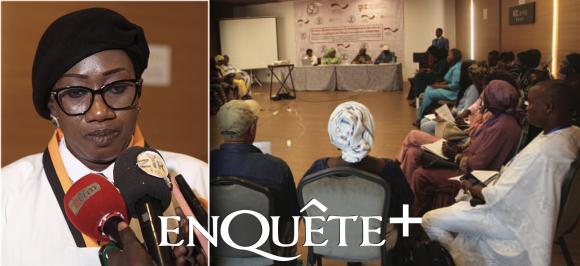
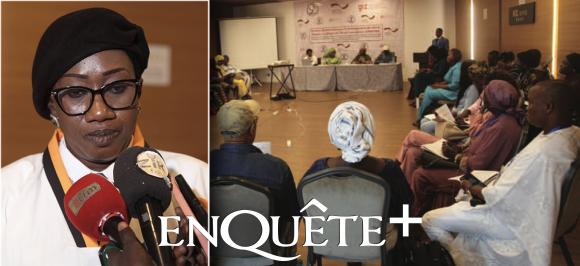
A two-day seminar recently convened in Sénégal to address women’s political involvement, organized by the Réseau des femmes leaders pour le développement (RFLD). During the sessions, it was highlighted that despite the landmark 2010 parity law and the 2001 Constitution’s commitment to gender equality, the practical reality for women in politics remains difficult. The snap legislative elections on 17 November 2024 served as a wake-up call, as female presence in the Assemblée nationale dipped from 44.2% to 41%. Furthermore, women led only 13% of the candidate lists during that cycle.
Structural and cultural barriers to leadership
These numbers represent more than just data; they reflect deep-seated structural obstacles and cultural resistance. Women in Sénégal continue to face unequal access to political financing, limited media exposure, and restricted entry into influential decision-making circles. This is despite the fact that women are the backbone of the national economy, leading local communities and driving social progress. The core issue is no longer about capability, but rather why political systems continue to obstruct female leadership.
To tackle these challenges, a regional initiative focused on West African political participation is being implemented. In Sénégal, a cohort of 30 prominent women—including parliamentarians, party leaders, and civil society activists—is working to redefine the political landscape. This group aims to foster solidarity and develop strategies to influence public policy, asserting that a democracy cannot be whole while women remain sidelined.
Empowerment through training and mentorship
Beyond institutional reform, personal development and self-confidence are critical factors for women in the public eye. Many qualified women hesitate to take on leadership roles due to societal pressure and persistent stereotypes. Addressing this requires structured support and high-quality training programs focusing on:
- Political communication and public speaking
- Strategic organizational management
- Public policy analysis and governance
- Digital tool proficiency and community mobilization
There is also a pressing need to bridge the gap for women in rural areas who often lack access to the training opportunities concentrated in major cities. Establishing intergenerational mentorship programs is another priority, providing young women with role models and networks to guide their leadership journeys.
Sustainable political engagement is closely tied to economic independence and the ability to balance public duties with family responsibilities. Consequently, female empowerment remains a cornerstone of inclusive governance. Various initiatives are currently underway to promote leadership training, citizenship education, and the protection of girls’ rights, ensuring they stay in school and are shielded from early marriage and violence. The collective goal is to move beyond legal texts and create a social environment where women can participate freely and effectively in the nation’s public life.