In a move that reshapes Côte d’Ivoire’s political landscape, former President Laurent Gbagbo has formally stepped back from his role at the helm of the Parti des Peuples Africains – Côte d’Ivoire (PPA-CI), yet his strategic withdrawal is anything but a full departure. Observers note that while he no longer holds the title of party leader, his influence over the succession process remains unchallenged, signaling a calculated transition designed to preserve his legacy and political capital.
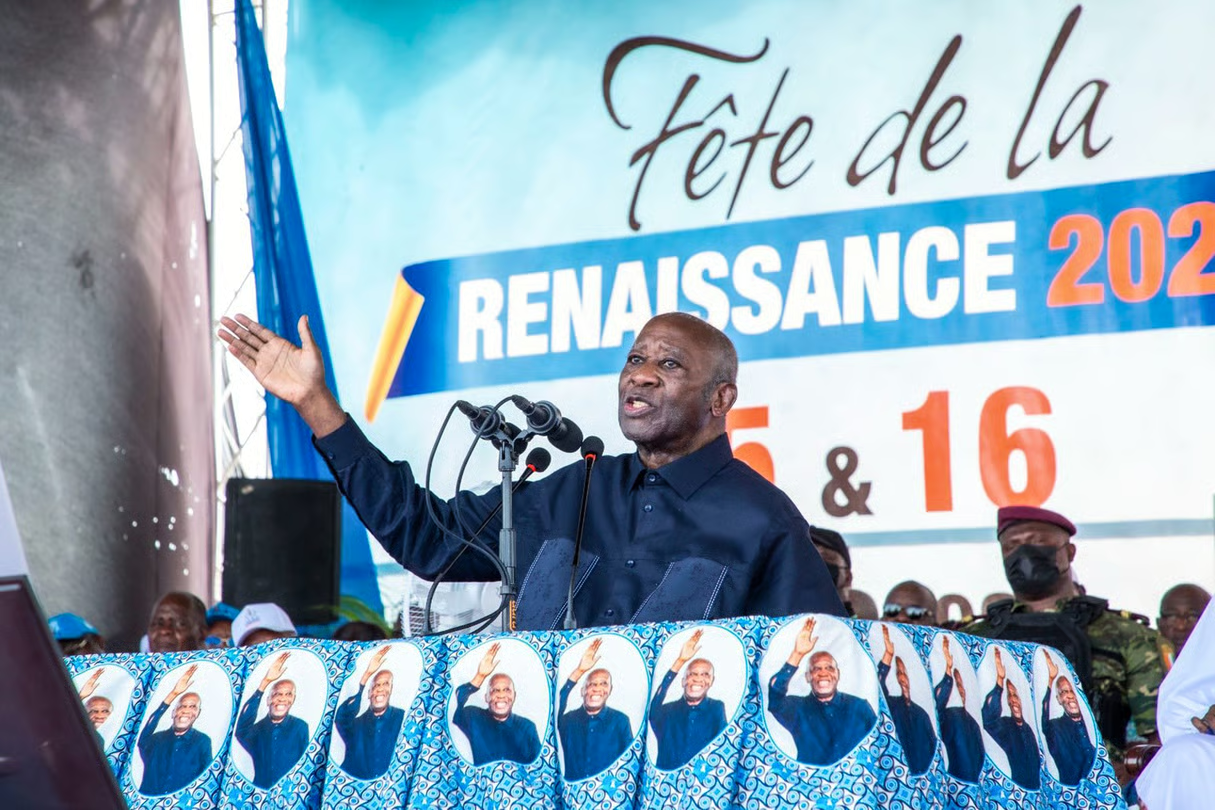
From leadership to legacy: Gbagbo’s enduring control over PPA-CI
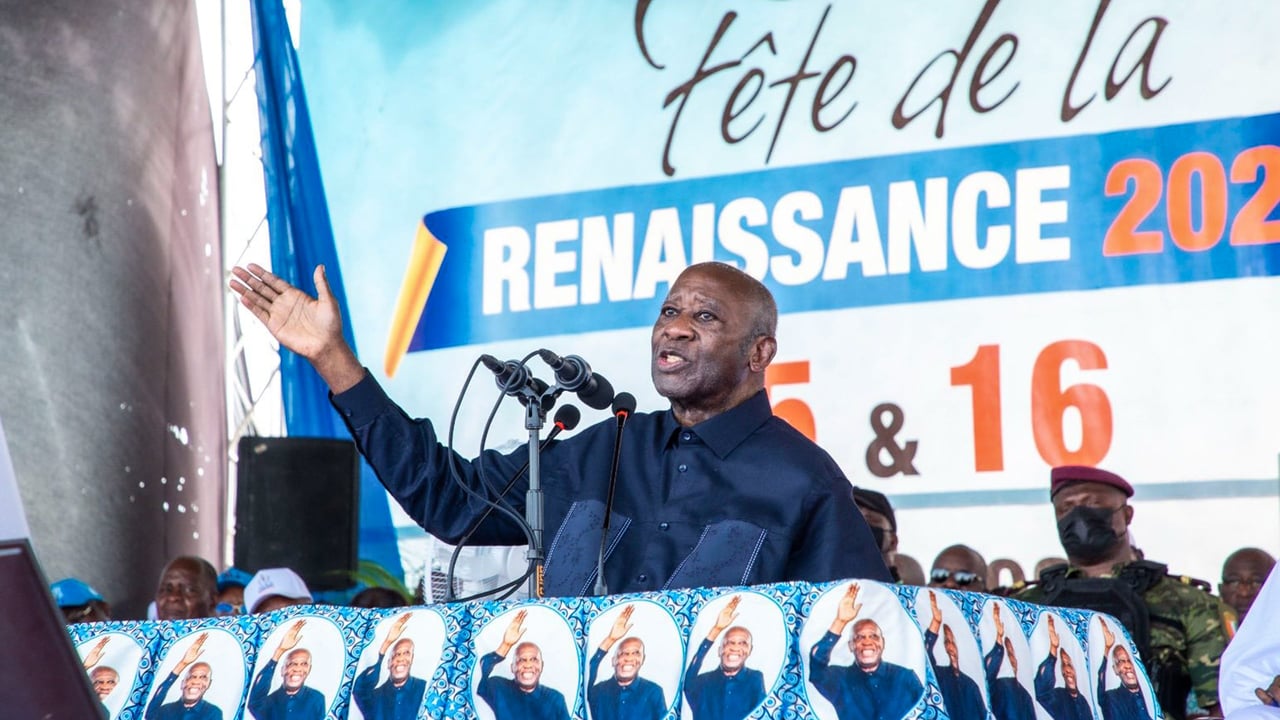
During a high-profile address in Songon on May 16, 2026, Laurent Gbagbo delivered a speech that underscored his continued dominance over the PPA-CI, despite announcing his decision to relinquish the party presidency. The event, themed around the “Renaissance,” served as a platform not only to celebrate the party’s achievements but also to reinforce Gbagbo’s vision for its future direction. Analysts interpret this as a deliberate strategy to ensure a smooth transition while maintaining his grip on the party’s decision-making processes.
Key takeaways from Gbagbo’s address
- Strategic repositioning: By stepping down as leader, Gbagbo avoids the appearance of clinging to power while positioning himself as a guiding force behind the scenes. This move allows him to handpick a successor who aligns with his political ideals.
- Unified front: The speech emphasized party unity, projecting an image of cohesion under a new leadership while subtly reminding members of Gbagbo’s enduring authority.
- Future-focused messaging: Gbagbo’s remarks focused on the party’s long-term goals, signaling that his influence will persist beyond his formal role.
The PPA-CI, founded on principles of pan-Africanism and social justice, now faces a critical juncture. With Gbagbo’s departure from the presidency, the party must navigate this transition while preserving the core values he championed. Questions linger about whether his successor will be able to command the same level of loyalty and ideological commitment from the party’s base.
A calculated transition with lasting implications
This development comes amid heightened political activity in Côte d’Ivoire, where parties are jockeying for position ahead of upcoming elections. Gbagbo’s maneuvering within the PPA-CI reflects a broader trend among veteran politicians who seek to maintain relevance even after stepping away from direct leadership roles. By strategically positioning himself as the party’s elder statesman, he ensures that his voice remains central to national discourse.
For the PPA-CI, the challenge will be to balance its historical identity with the demands of a new political era. The party’s ability to adapt while staying true to its founding principles will determine its future trajectory. Meanwhile, Gbagbo’s shadow looms large, a reminder that in Côte d’Ivoire’s political arena, some legacies are built to endure.