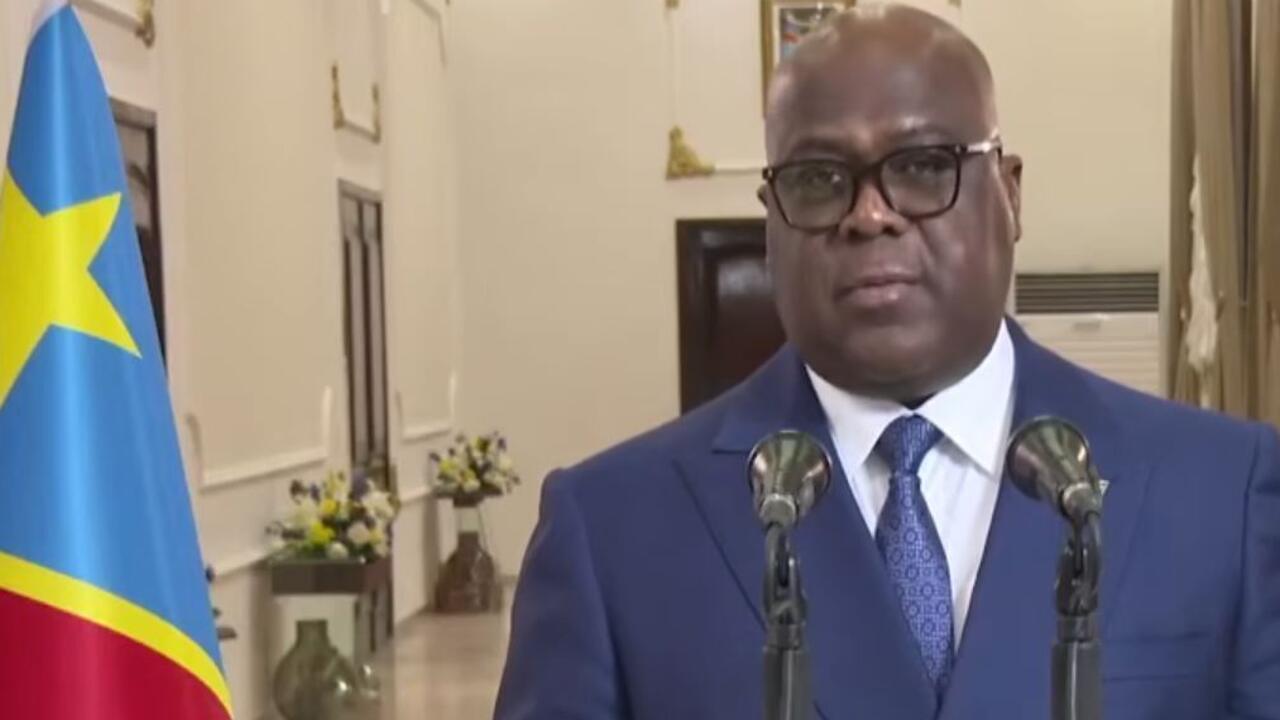
President Félix Tshisekedi has outlined the framework for the long-awaited inclusive national dialogue, a process demanded for months by opposition groups to restore peace and rebuild the State. The initiative will unfold in two phases: initial discussions will take place across all 26 provinces before converging in Kinshasa, with a maximum duration of three months. The President has invited major political figures, opposition leaders, civil society representatives, religious leaders, and various social groups to participate. However, armed groups operating in eastern DRC will be excluded from the process.
Will this dialogue succeed where previous attempts failed?
The question remains: can this dialogue achieve meaningful results without the involvement of key actors currently engaged in the conflict? Eastern DRC has been plagued by recurring violence, and past dialogue attempts have consistently fallen short of addressing the root causes of instability. What measures are being implemented to ensure this process avoids repeating the same pitfalls?
Who will shape the agenda?
The upcoming dialogue aims to foster broad consensus, but its success hinges on the willingness of participants to compromise. With major political blocs, civil society, and religious institutions at the table, the discussions could set the stage for critical reforms. However, the exclusion of armed factions raises concerns about whether the dialogue can comprehensively address security challenges in the region. How will the government balance inclusivity with the need for practical solutions?
Key challenges ahead
Restoring stability in eastern DRC will require more than just dialogue—it demands concrete commitments and tangible actions. Past processes often faltered due to a lack of follow-through and persistent political divisions. Will this iteration prioritize accountability and implementation, or will it remain another symbolic gesture? The answers may define whether this dialogue marks a turning point or another missed opportunity for the Democratic Republic of the Congo.