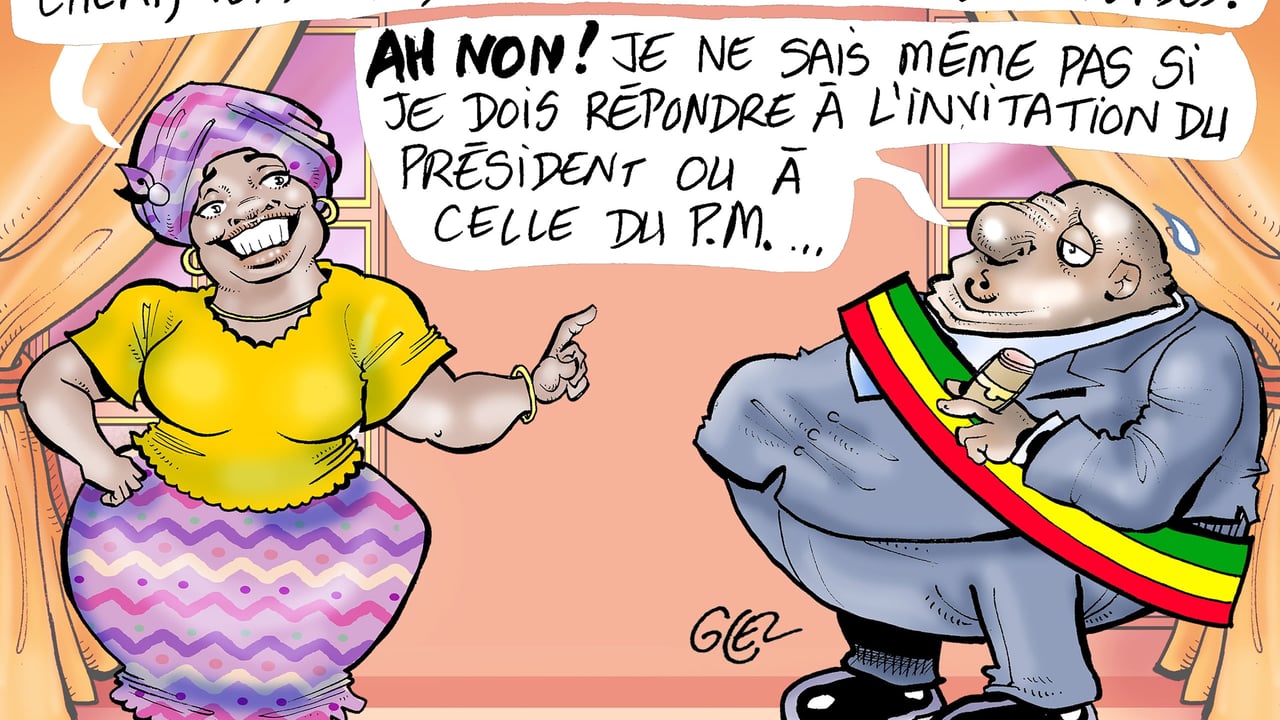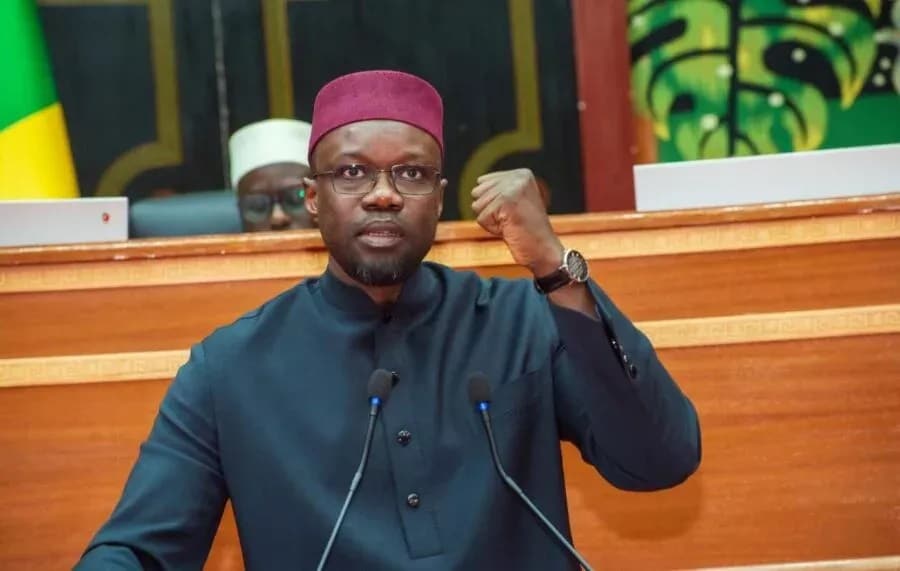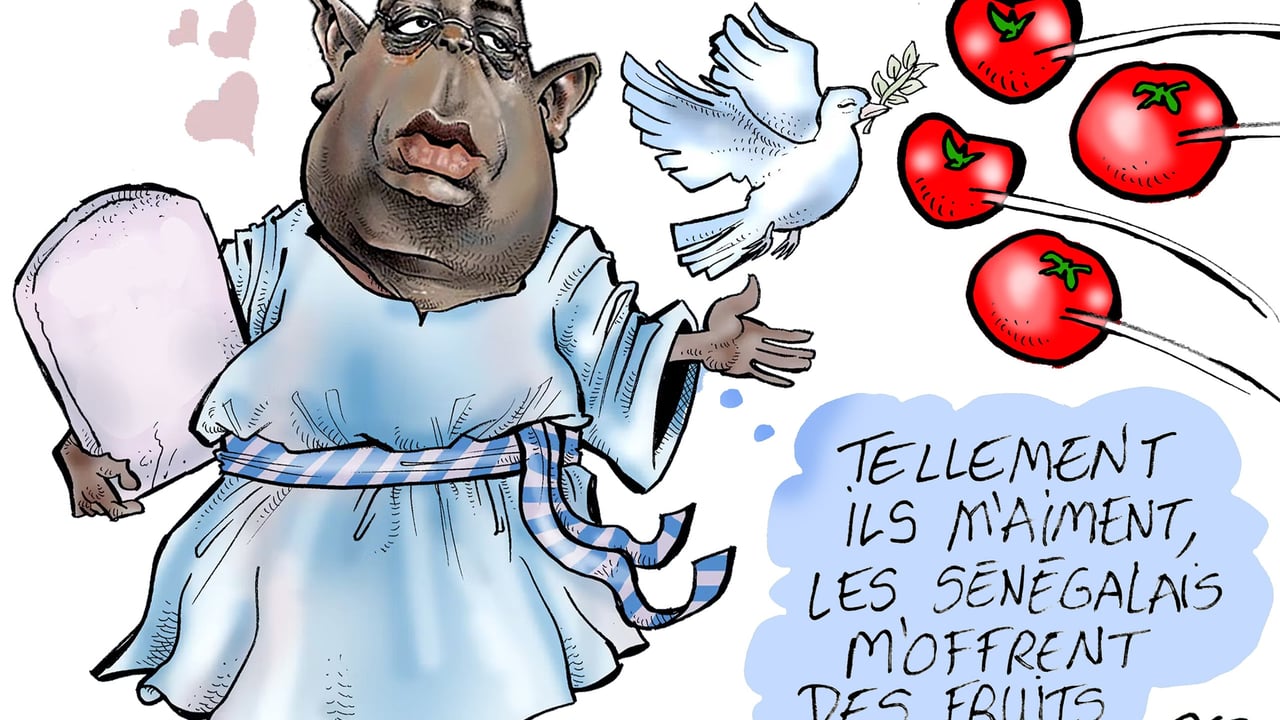
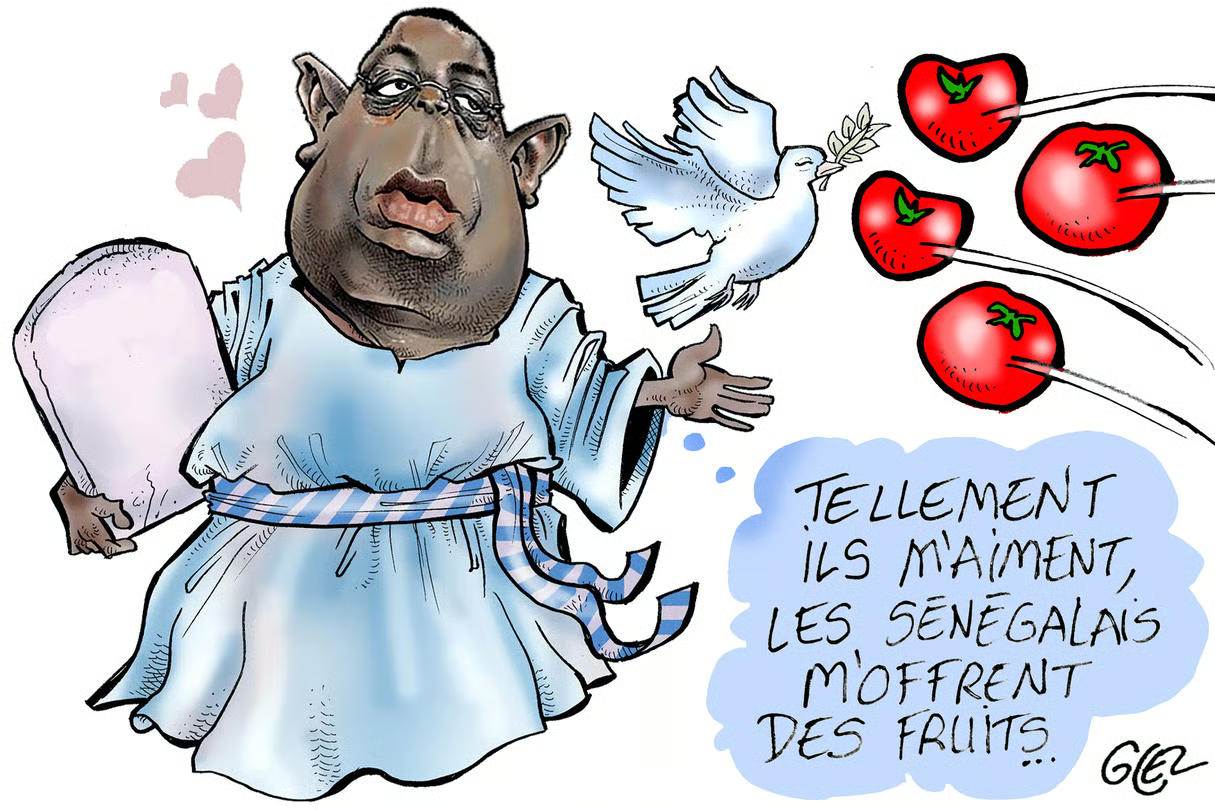
Senegal is grappling with a wave of public outrage as political tensions escalate between outgoing President Macky Sall and newly elected leader Bassirou Diomaye Faye. The confrontation has sparked heated debates across the nation, with citizens and observers closely monitoring the unfolding developments.
The controversy stems from a series of contentious decisions by Macky Sall during his final days in office, which many view as an attempt to undermine the transition of power to Bassirou Diomaye Faye. The situation has drawn international attention, particularly from the United Nations, which has called for calm and adherence to democratic principles.
Public reaction intensifies
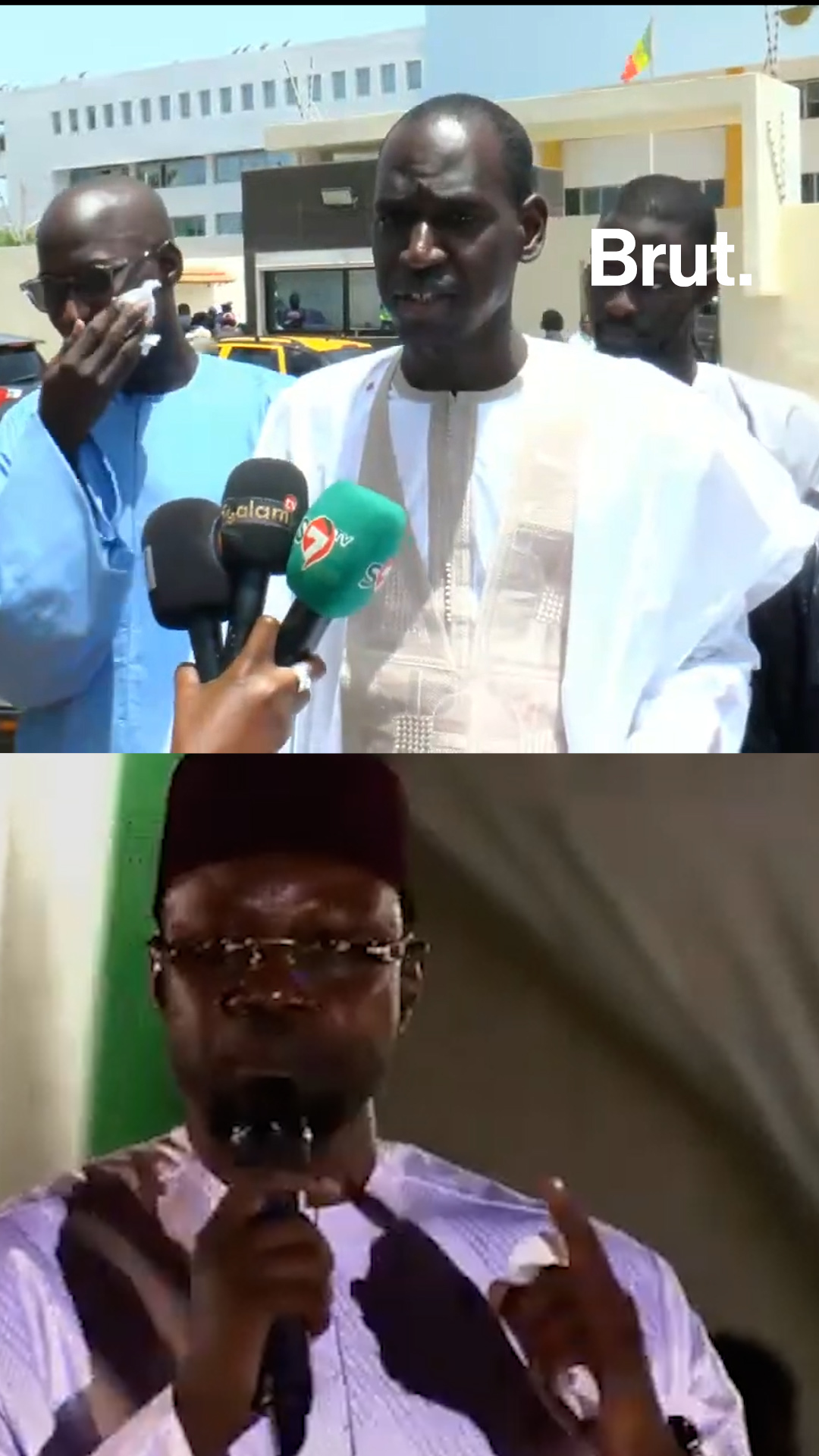
The Senegalese public has responded with massive protests, condemning what they perceive as an overreach by the departing administration. Demonstrations have erupted in major cities, with citizens demanding transparency and accountability. Social media platforms have become battlegrounds for discourse, amplifying voices on both sides of the political divide.
Analysts warn that the standoff could further destabilize the country if left unaddressed. The political climate remains volatile, with fears of prolonged unrest looming over the nation’s future.
Regional implications
The crisis in Senegal has reverberated beyond its borders, raising concerns among neighboring West African nations. Regional bodies are closely watching the situation, emphasizing the importance of upholding democratic norms and preventing external interference in internal affairs.
As Senegal navigates this critical juncture, the world awaits the next moves from both Macky Sall and Bassirou Diomaye Faye. The outcome will not only shape the country’s trajectory but also serve as a test case for democratic resilience in the region.