The Washington-brokered peace accord between Kinshasa and Kigali faces mounting obstacles. In North and South Kivu, clashes intensify over control of critical territories. Despite sanctions, Washington’s leverage appears exhausted as its diplomatic approach proves ineffective.
Deadline missed, peace talks derailed
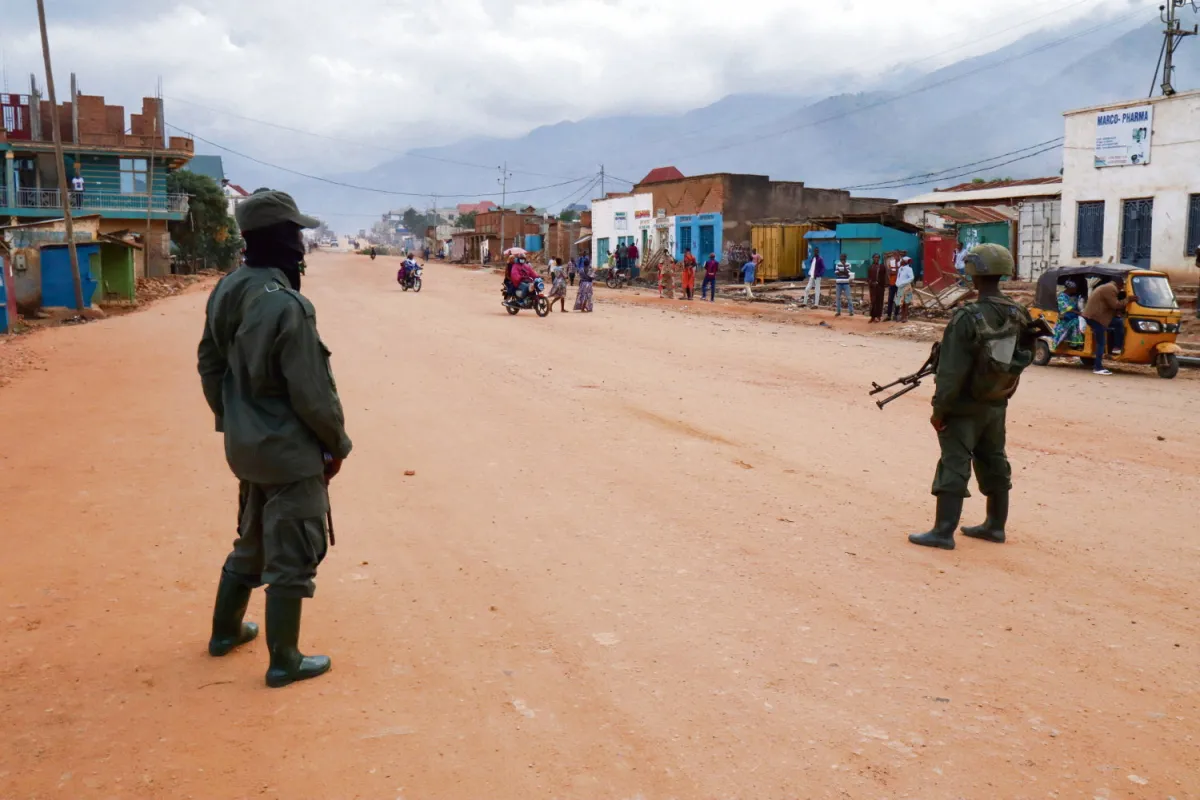
The July 15 deadline came and went without resolution. Signed on June 27, 2025, the U.S.-mediated peace agreement between the Democratic Republic of the Congo (DRC) and Rwanda mandated the withdrawal of Rwandan troops from eastern DRC, where Kigali backs the Congolese politico-military group Alliance du fleuve Congo/M23 (AFC/M23). The latter still controls most of North and South Kivu.
The treaty included additional terms, yet despite assurances from U.S. Secretary of State Marco Rubio that implementation would begin by mid-July, the process remains stalled. Worse still, fighting has intensified across eastern DRC.
International pressure fails to yield results
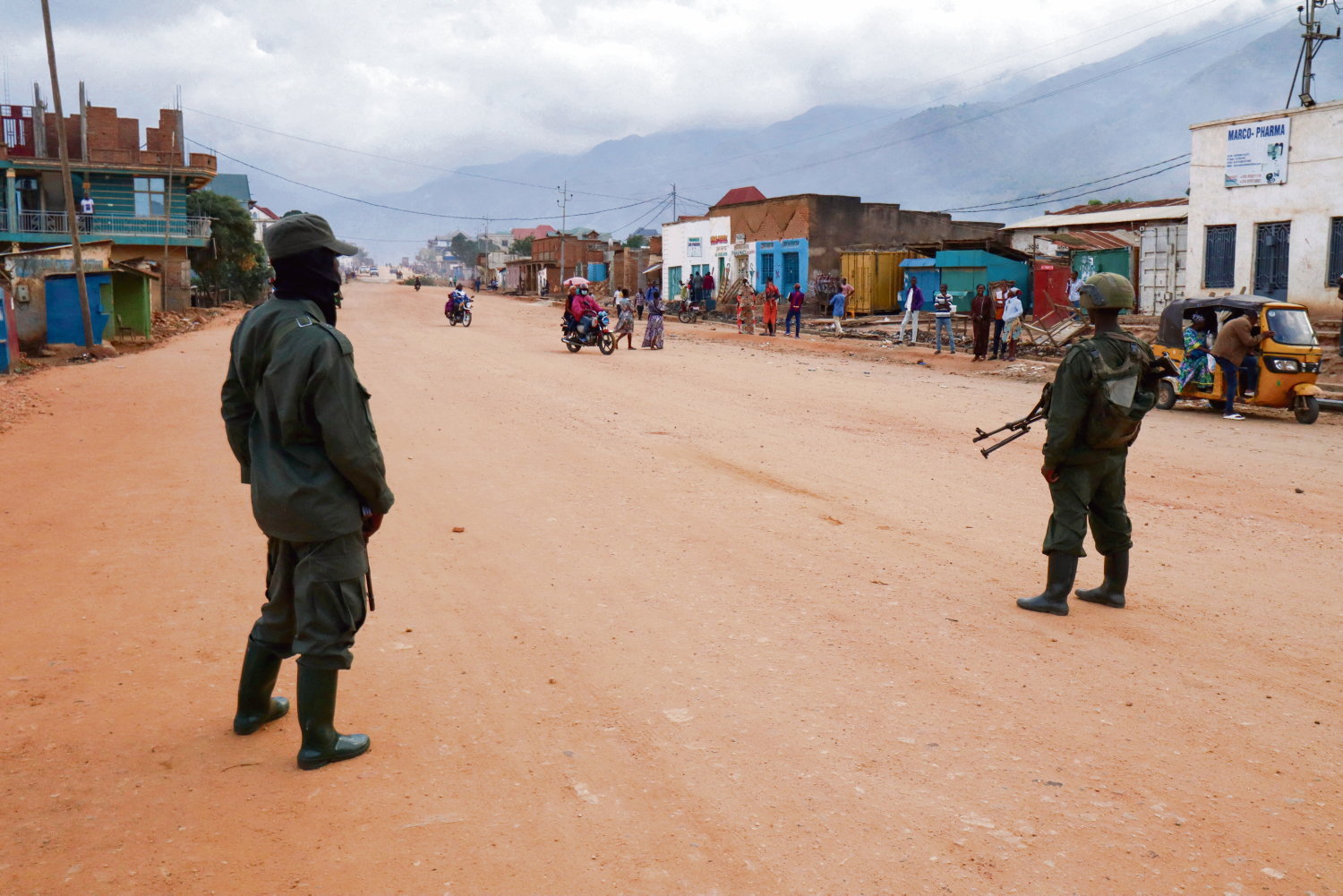
Washington imposed sanctions and exerted diplomatic pressure to force compliance, but the strategy has backfired. The AFC/M23 continues to expand its territorial grip, while Rwandan forces remain entrenched despite the accord’s stipulations. The DRC government’s inability to assert control over the region further complicates the situation.
Humanitarian crisis deepens amid stalled negotiations
Civilian casualties mount as conflict rages unabated. Displaced populations flee to neighboring regions, straining already fragile resources. Aid organizations warn of a looming humanitarian catastrophe, with access to essential services increasingly restricted.
Key challenges to peace
- Foreign interference: Rwanda’s continued military involvement contradicts the peace accord’s core provisions.
- Government instability: Kinshasa struggles to unify national forces and curb insurgent activity.
- International divisions: Competing geopolitical interests undermine unified mediation efforts.
What’s next?
With no breakthrough in sight, regional leaders are calling for urgent diplomatic intervention. However, trust in traditional mediators has eroded, leaving communities in eastern DRC to bear the brunt of prolonged instability.
Associated keywords