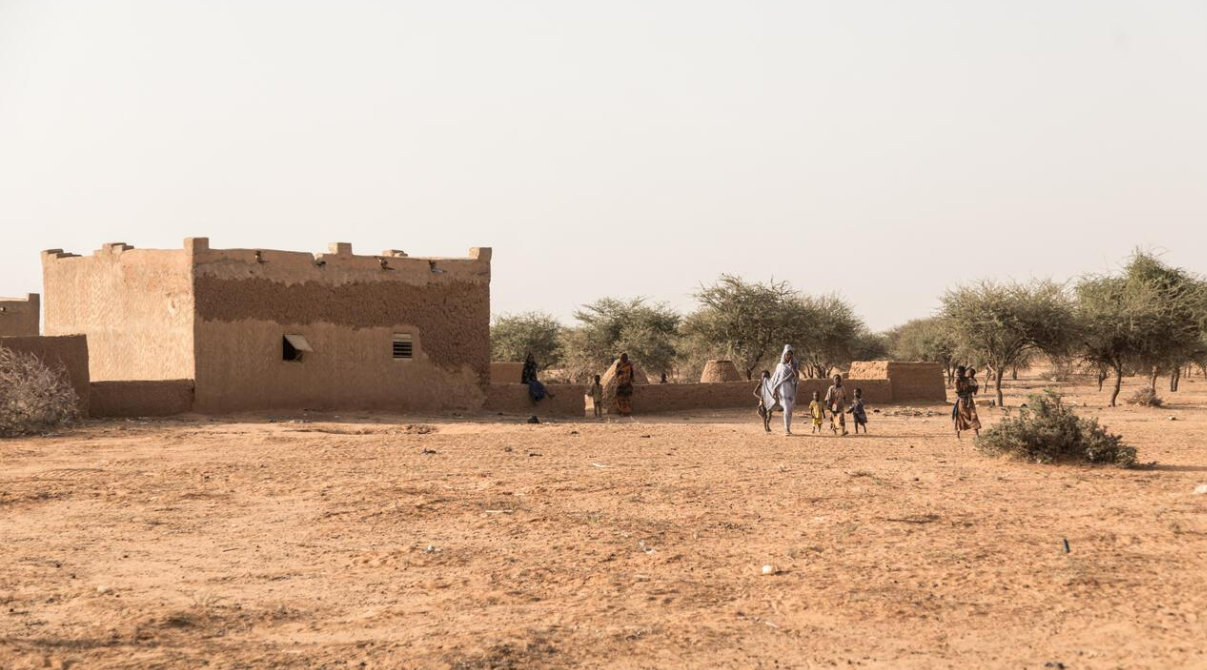
The discovery of 54 bodies in the village of Tagadayat, approximately 35 kilometers southeast of Ménaka, has thrust the plight of civilians in northern Mali into the spotlight once again. The tragedy, which follows a series of attacks attributed to jihadist fighters, has intensified scrutiny over the government’s ability to protect vulnerable populations and maintain control over regions plagued by armed violence.
Tagadayat: A stark reminder of civilian vulnerability
Located in a remote area near Ménaka, Tagadayat has become a chilling symbol of the failures in Mali’s security apparatus. The massacre, which unfolded in a region already grappling with years of instability, underscores the recurring toll that armed groups take on civilians. These groups disrupt daily life, erode livelihoods, and force communities into displacement, leaving many without safety or recourse.
Rural and isolated communities like Tagadayat face disproportionate risks. The distance from urban centers, limited access to public services, and constraints on security operations often delay emergency response and leave civilians vulnerable. When dozens of people are found dead following armed attacks, the question of prevention and early warning becomes impossible to ignore. How were threats detected? What measures were in place to protect residents? Why did these defenses fail?
The answers remain elusive, but the tragedy demands accountability. A full investigation is essential to uncover the exact circumstances of the attack and to hold those responsible to account.
Does the Malian state still control its northern regions?
The massacre in Tagadayat challenges the narrative of effective state control in northern Mali. Security is not merely about deploying troops or announcing military operations; it requires the ability to monitor high-risk areas, detect threats early, and respond swiftly to prevent violence. The discovery of 54 bodies reveals a fundamental breakdown in this protective framework.
While it would be premature to claim that the Malian government has lost all control over the territory, the incident exposes a critical gap in its ability to safeguard civilians in conflict-affected zones. The distinction between “total loss of control” and “insufficient protection” may seem subtle, but the implications are profound. For the people living in these regions, the difference is one of life and death.
This tragedy forces a reckoning: Is the current strategy of relying primarily on military operations sufficient to restore lasting security?
Beyond military response: the urgent need for prevention
In response to the rise of armed groups, the Malian government has prioritized regaining control through military means. Yet, the continued targeting of civilians suggests that these efforts have not translated into meaningful protection. While rapid intervention after an attack is critical, it cannot replace proactive measures that prevent violence before it occurs.
For residents, security means the freedom to move, farm, trade, and live without fear of deadly attacks. Each new incident erodes trust in the institutions meant to protect them, with ripple effects that extend beyond immediate casualties. Displacement, economic stagnation, and social fragmentation threaten the long-term stability of these communities.
A sustainable solution requires more than just boots on the ground. It demands integrated strategies that combine military operations with early warning systems, enhanced protection for isolated villages, humanitarian access, and transparent investigations into civilian killings.
Restoring security: a multi-faceted challenge ahead
The deaths at Tagadayat place a heavy burden of proof on Mali’s authorities. They must demonstrate that protecting civilians is not just a declaration but a tangible reality. This begins with a thorough investigation into the massacre, identifying those responsible, and implementing measures to prevent future attacks.
Military patrols and operations play a role, but their effectiveness must be measured by their impact on civilians’ lives. Security presence must be enduring, not episodic, and must include the capacity to anticipate and deter violence in vulnerable areas.
The challenge is as much about territory as it is about tactics. Restoring safety means disrupting the freedom of movement of armed groups, securing key routes, and ensuring that even the most remote communities receive real protection from the state.
The 54 bodies found in Tagadayat are a tragic reminder of the human cost of insecurity in northern Mali. While this single event does not signify a complete loss of state control across the country, it exposes a deep fracture in the government’s mission to protect its citizens. Until civilians can live without the constant threat of violent attacks, the question of territorial control will continue to haunt Mali’s leaders. Beyond official statements and military operations, the ability to safeguard lives must become the defining measure of success.