The Sahel is experiencing a seismic shift in regional power dynamics, and Niger has emerged as the epicenter of this geopolitical upheaval. Governments and military leaders across North and West Africa are making decisive moves, forging new partnerships and recalibrating old alliances to secure their strategic interests.
From Benghazi to Niamey: A Diplomatic Breakthrough in the Making
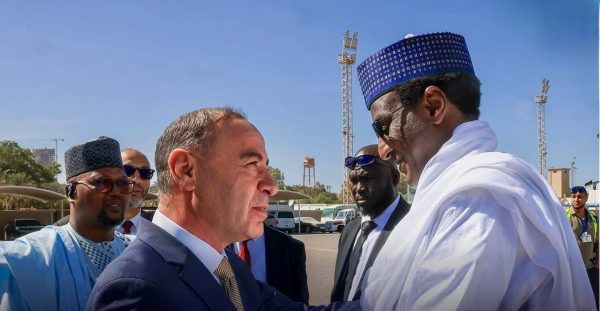
On November 1, 2026, Niger’s Prime Minister Ali Mahaman Lamine Zeine traveled to Benghazi for a landmark meeting with Saddam Haftar, vice-commander of the Libyan National Army under Field Marshal Khalifa Haftar. The two sides signed a Strategic Cooperation Protocol, signaling a bold step toward diversifying security and political partnerships in the region. While the specifics of the agreement remain undisclosed, this initiative underscores Niamey’s determination to reduce reliance on traditional allies and explore new avenues of cooperation.
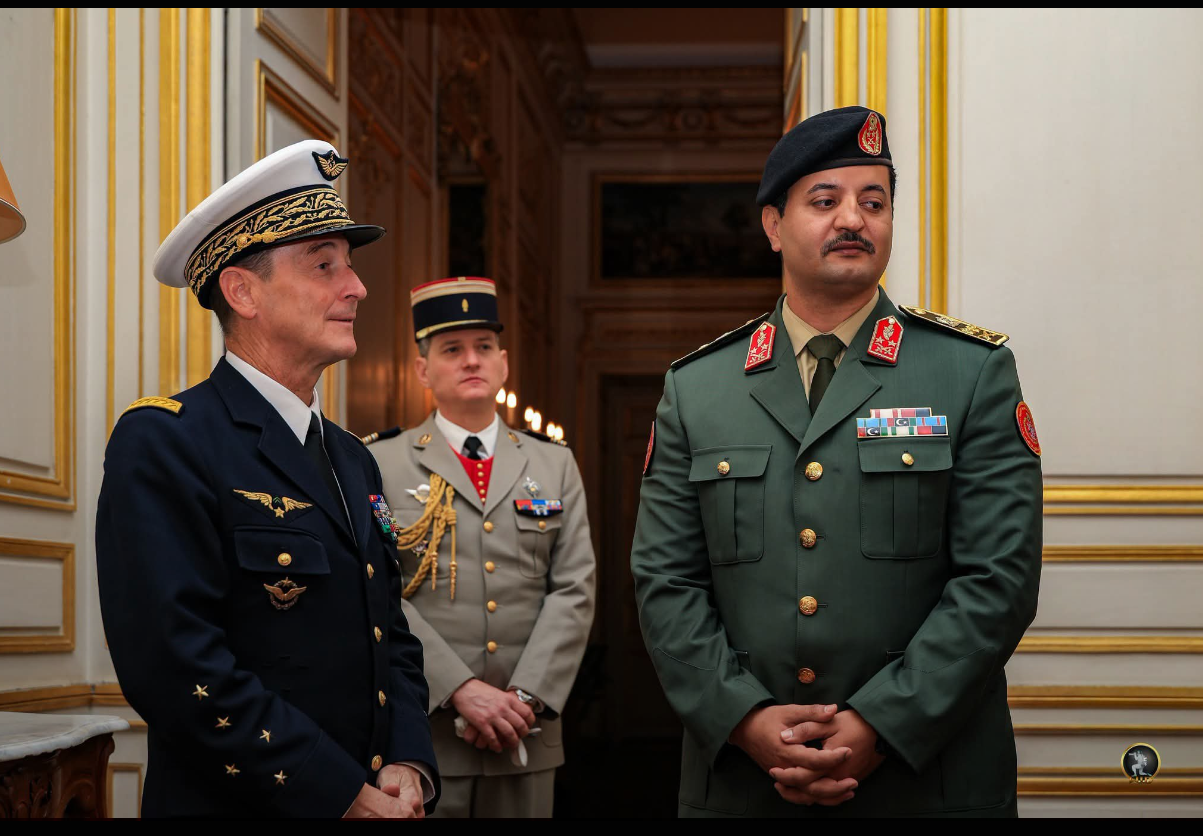
Just two days later, on November 3, General Khaled Haftar, Libya’s eastern military leader, arrived in Paris for high-level discussions with French Chief of Staff General Fabien Mandon. Reports suggest the talks centered on enhanced military collaboration, security coordination, and intelligence-sharing—critical components in a region where old partnerships are being reassessed.
The Algerian Gambit: Securing Influence in a Changing Sahel
As these developments unfolded, Algeria reasserted its role as a key player in Sahel-Saharan security. On the same day as Haftar’s Paris visit, Algerian Minister of State for Foreign Affairs Ahmed Attaf arrived in N’Djamena as a special envoy of President Abdelmadjid Tebboune. He delivered a personal message to Chadian President Mahamat Idriss Déby Itno, emphasizing the importance of bilateral cooperation and regional stability.
The discussions between Algeria and Chad highlighted 27 previously agreed-upon bilateral accords, focusing on security challenges, cross-border trafficking, and political tensions. This diplomatic push comes at a time when relations between Niger and Chad have soured, with Niamey accusing N’Djamena—without publicly providing conclusive evidence—of supporting destabilization efforts allegedly backed by France. Chad and France, for their part, have since worked to mend military and diplomatic ties following the collapse of a 2024 defense pact.
For Algeria, strengthening bonds with Chad is not merely about bilateral relations. It’s a strategic move to maintain influence over regional dynamics, particularly as security landscapes around Niger and Libya evolve without Algiers’ direct involvement. The Algerian leadership views these shifts with caution, wary of any expansion of military or political influence near its borders.
UAE Support for Haftar: A Wildcard in the Geopolitical Deck
The United Arab Emirates (UAE) has long been a key backer of Field Marshal Khalifa Haftar, providing political and military support to his faction, which controls much of eastern Libya. While the UAE’s current level of engagement remains under scrutiny, its historical ties to Haftar’s camp add a layer of complexity to the regional chessboard.
Algiers views this alliance with deep concern. Libya’s stability is a national security priority for Algeria, and any expansion of foreign military presence or influence in southern Libya—particularly in the Fezzan region and along key corridors connecting Libya to Niger—poses a direct strategic threat. These areas are vital not only for trade and migration but also for energy resources and illicit networks, making them hotspots of competition.
Morocco and Algeria: Proxy Rivalry Spills into the Sahel
The long-standing rivalry between Algeria and Morocco has spilled beyond the Maghreb, reshaping alliances across the Sahel. Since diplomatic relations collapsed in August 2021, the two countries have pursued opposing strategies, particularly in the Western Sahara dispute. This ideological and geopolitical divide has now extended into African partnerships, with Morocco cultivating ties in the Sahel while Algeria seeks to preserve its historical influence.
The timing of General Khaled Haftar’s visit to Morocco in mid-October—where he met with Morocco’s Inspector General of the Royal Armed Forces, General Mohammed Berriddid not go unnoticed in Algiers. The convergence of interests among Rabat, Abu Dhabi, and Libya’s eastern authorities has raised eyebrows, suggesting the emergence of informal alliances that could realign regional power structures.
For Algeria, this convergence signals a potential consolidation of competing blocs, one that could undermine its regional standing. The country’s response—including the recent authorization of military deployment in Niger—reflects its determination to remain a central player in Sahel-Saharan security.
Niger: The New Geopolitical Linchpin
Amid this shifting landscape, Niger has become the most sought-after partner in the region. Its geographic position bridges North Africa and Sub-Saharan Africa, while its energy resources and proximity to Libya, Algeria, Chad, and Mali make it a critical transit hub. This strategic importance has prompted countries to compete for influence over Niamey, fearing that exclusion from its alliances could weaken their regional standing.
The Algerian Parliament’s October 25 authorization for military deployment in Niger further illustrates this new reality. Coupled with Niamey’s growing ties to Benghazi and Algiers’ diplomatic overtures in N’Djamena, it’s clear that Niger is diversifying its partnerships rather than relying on a single ally. Meanwhile, France, whose military presence in the Sahel has significantly declined, continues to maintain strategic contacts with regional actors, though no coordinated policy around Niger has yet emerged.
A Sahel in Flux: Where Strategic Routes and Alliances Redefine Power
The events of the past weeks paint a clear picture: the Sahel is no longer merely a battleground against armed groups. It has become a chessboard for control over trade routes, resources, and political alliances. In this new era, Niger is no longer just a nation grappling with security threats—it is the linchpin around which the region’s geopolitical future is being rewritten.
The choices made in Niamey, Algiers, Benghazi, and beyond will determine whether cooperation or competition will shape the Sahel’s trajectory. One thing is certain: the momentum is with those who act decisively—and Niger stands at the heart of this transformation.