The Algerian government has recently intensified its diplomatic efforts toward Mali and Niger, restoring full relations with Bamako and deepening ties with Niamey through military aid and energy cooperation. These moves come as regional dynamics shift, with the three countries of the Alliance of Sahel States (AES) reducing dependence on Western partners while exploring new alliances.
Algeria’s Strategic Reengagement with Mali
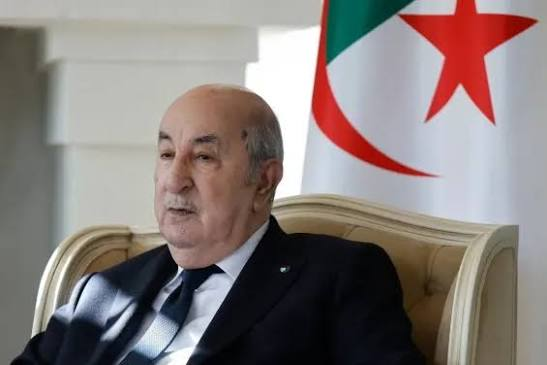
After fifteen months of diplomatic rupture, Algeria and Mali have taken decisive steps to restore their relations. On July 10, both nations exchanged ambassadors and reopened their airspaces to each other’s aircraft, signaling a thaw in what had been a bitter dispute. The breakthrough was further solidified in early August when Mali’s prime minister, Abdoulaye Maïga, highlighted a «complete alignment of views» with Algerian President Abdelmadjid Tebboune on «state sovereignty and non-interference in internal affairs». For Algeria, this rapprochement is more than symbolic—it represents an opportunity to reclaim its diminished influence in the Sahel, particularly within the AES, where Mali plays a central role.
Niger Emerges as a Key Partner in Algeria’s Sahel Strategy
Algeria’s engagement with Niger has taken a more tangible form, combining military support with economic cooperation. On August 9, Algeria delivered four military helicopters—two Mi-24V attack helicopters and two Mi-171 transport helicopters—alongside spare parts, maintenance equipment, and ammunition. Shortly after, Algeria’s prime minister visited Niamey to inaugurate drilling operations at the Kafra Sud-Est 1 oil exploration site. Meanwhile, Sonatrach and Niger’s national petroleum company (Sonidep) launched their first joint crude oil marketing operation. These initiatives reflect Algeria’s broader strategy to secure its southern flank by reinforcing ties with a neighboring state deeply embedded in the AES.
Sahel’s Evolving Power Struggle
The AES—comprising Mali, Niger, and Burkina Faso—has redefined its foreign policy, distancing itself from traditional Western partners while deepening ties with Russia and exploring alternative diplomatic and economic frameworks. For Algeria, this shift presents both a challenge and an opportunity. While the decline of Western influence creates space for new actors, Morocco has been the most aggressive in capitalizing on this void. Through a mix of political diplomacy, religious outreach, infrastructure investments, and Atlantic-facing initiatives, Rabat has built a network of influence that Algeria is now racing to counter.
Analysts note that Algeria’s military strength and energy resources have not translated into commensurate political influence. Morocco, by contrast, has cultivated durable interdependencies through banking, telecoms, religious training, and infrastructure projects. Algeria’s recent moves—military aid, energy cooperation, and infrastructure development—suggest a reactive strategy aimed at reclaiming lost ground rather than advancing a cohesive vision for the region.
The Fragile Nature of Algeria’s Sahel Comeback
Algeria’s diplomatic revival in the Sahel remains precarious. The restoration of relations with Mali, though significant, follows a period of deep mistrust, including a drone incident in April 2025 and Bamako’s decision to withdraw from the 2015 peace accord. Meanwhile, Niger has become the primary testing ground for Algeria’s new approach, with military donations and joint energy projects serving as key pillars of its strategy.
Yet, Algeria’s efforts are still playing catch-up. Morocco has already made inroads, including Mali’s withdrawal of recognition for the Polisario Front and its endorsement of Rabat’s autonomy plan for Western Sahara. This rivalry extends beyond regional influence to the very legitimacy of each country’s diplomatic narratives in Africa. For Algeria, the challenge is not just to restore its presence but to craft a strategy that transcends competition with Morocco and offers tangible benefits to Sahelian states.