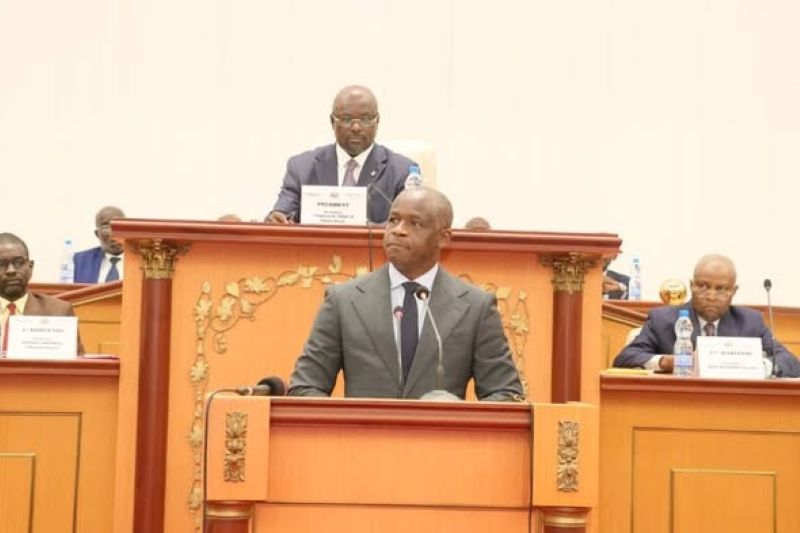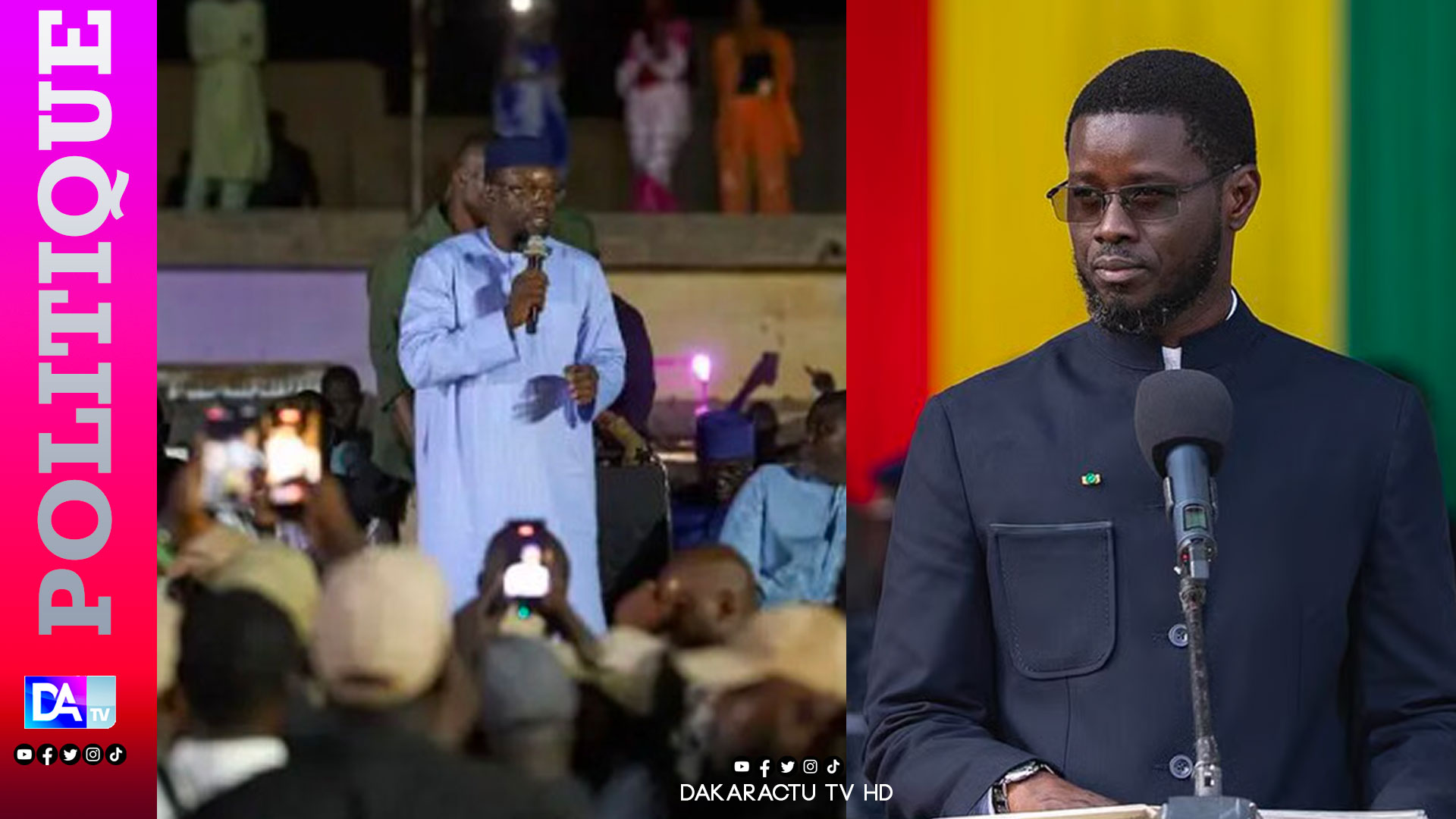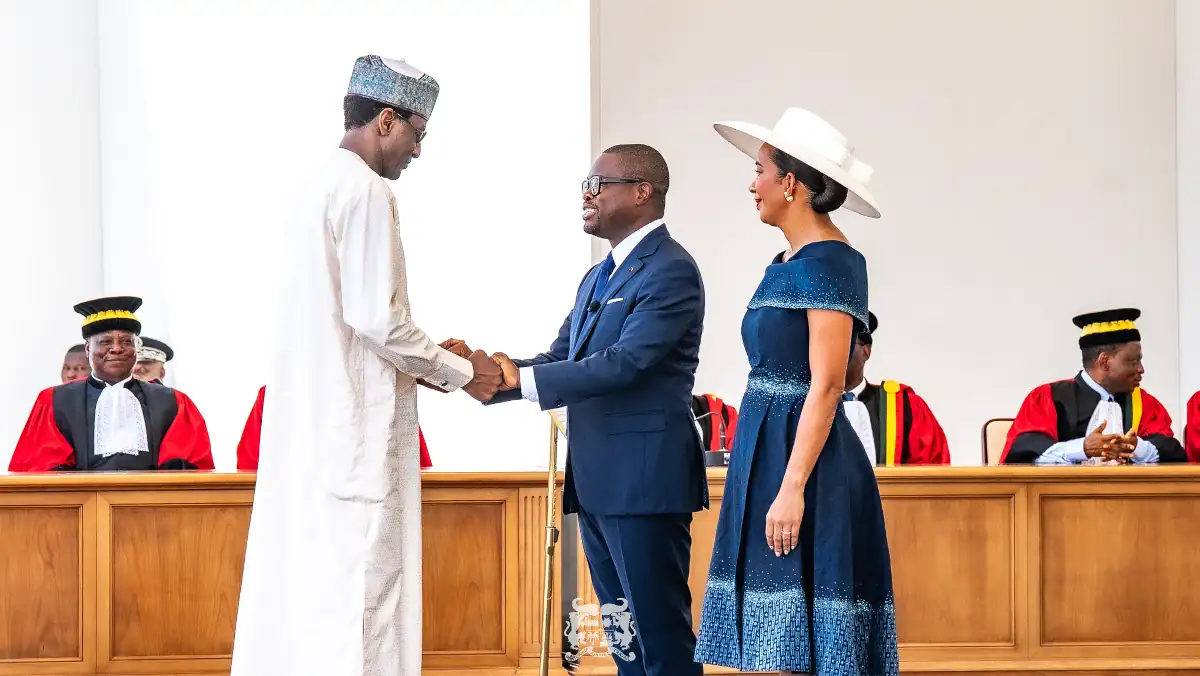
Senegal’s ongoing constitutional reform process has entered a critical phase of broad-based consultations. The Civil Society Coalition for the Implementation of the National Assizes Recommendations and the National Commission for Institutional Reform met with Takku Wallu, the country’s leading opposition parliamentary group. This engagement signals a pivotal moment in shaping a transparent public debate, as President Bassirou Diomaye Faye’s administration prioritizes institutional overhaul.
Cross-party collaboration on constitutional amendments
The civil society initiative seeks firm commitments from all political factions regarding the scope and timeline of constitutional changes. The National Assizes, launched in 2008 by a broad coalition of political leaders and citizens, produced key recommendations on presidential term limits, separation of powers, and administrative modernization. Subsequent work by the National Commission for Institutional Reform (CNRI), led by constitutional expert Amadou Mahtar Mbow, expanded these proposals in 2013—though many remained unimplemented.
By engaging Takku Wallu, the coalition underscores a critical principle: institutional reform cannot be the exclusive domain of the ruling majority, regardless of its strength. The parliamentary group, which includes deputies aligned with former President Macky Sall and other liberal-leaning factions, holds significant influence in shaping draft organic laws.
Takku Wallu’s strategic repositioning in national debate
For the opposition movement, rooted in the legacy of the Alliance for the Republic, these discussions provide a strategic platform. Following the ruling Pastef party’s sweeping victory in the November 2024 snap elections, opposition legislators are leveraging civil society alliances to shape the legislative agenda. The current format—informal consultations before formal positions are taken—allows both sides to explore common ground without irreversible commitments.
Key topics likely to dominate discussions include the future of the Economic, Social and Environmental Council, reforms to the Constitutional Council, checks on presidential powers, the role of the Prime Minister, and opposition rights. Another contentious issue is electoral reform, with advocates pushing for partial proportional representation to better reflect political pluralism.
Tight timeline for a high-stakes constitutional overhaul
The executive branch has hinted that a reform proposal may reach Parliament within months. However, constitutional timelines impose strict procedural hurdles. Major amendments require either a three-fifths parliamentary supermajority or a national referendum. While Pastef’s overwhelming majority could theoretically bypass a referendum, the administration has repeatedly emphasized the need for popular consultation to legitimize reforms.
This referendum option amplifies the importance of ongoing talks. A mobilized civil society and early opposition involvement reduce the risk of polarizing debates during the campaign. Conversely, a unilateral process risks repeating the 2016 reform controversy under Macky Sall, which faced high abstention rates and widespread criticism.
Over the coming weeks, the coalition is expected to expand consultations to all parliamentary blocs, including the ruling party, as well as unaffiliated groups. The goal is to establish a minimal consensus framework before formal legislative work begins. In Dakar, the credibility of the 2024 institutional renewal pledge hinges largely on the integrity of this preparatory phase.