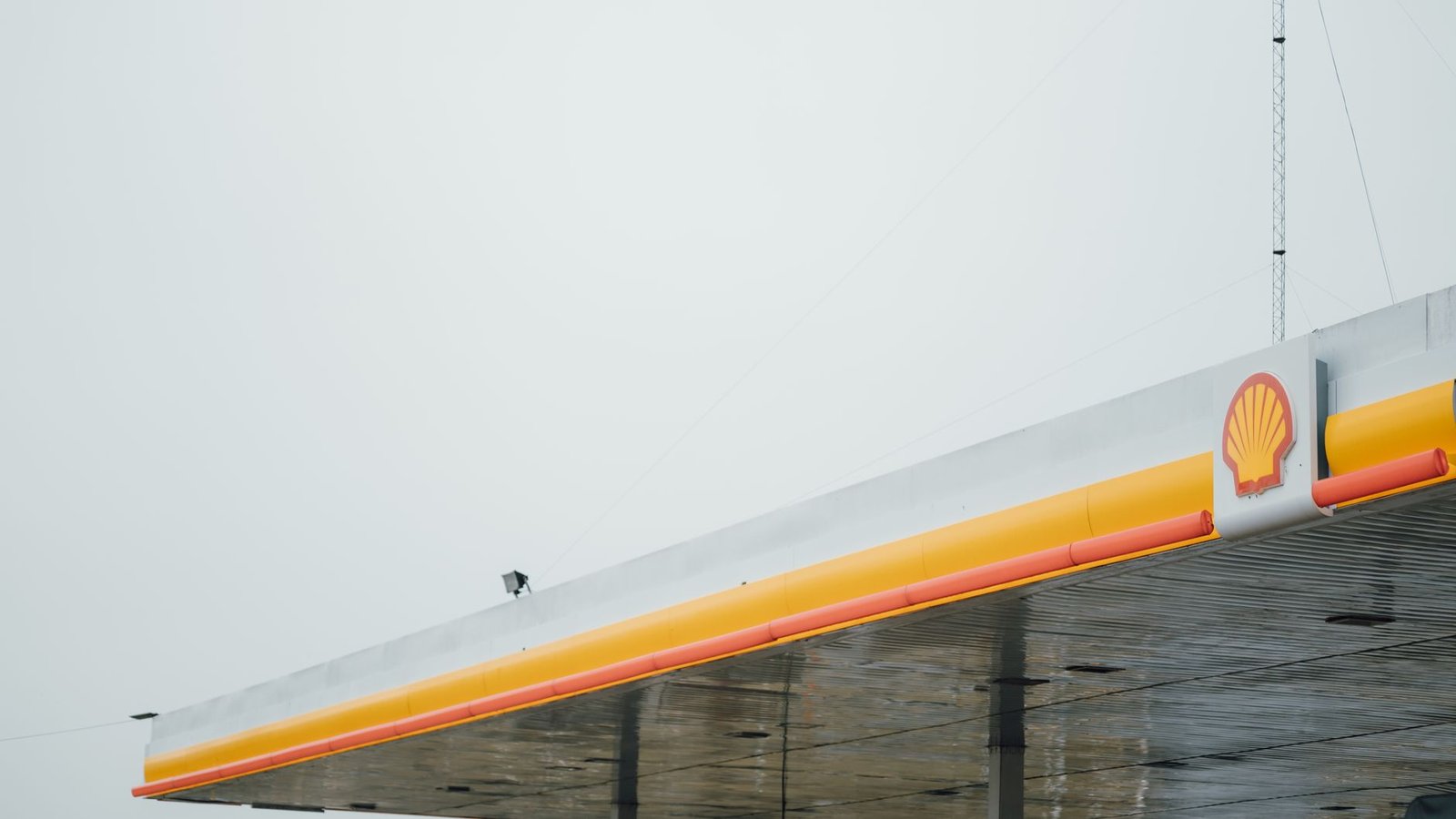
The Senegalese government has implemented a fuel price adjustment effective August 15, 2026, impacting both premium gasoline and diesel. These changes directly influence inflation rates, transportation costs, and industrial competitiveness. Dakar is not alone in this move, as neighboring West African capitals also face similar adjustments due to persistent fiscal pressures and global oil market volatility.
End of subsidy margins drives price revision
For months, Senegalese authorities have signaled that artificially maintaining pump prices was financially unsustainable. The public-funded compensation mechanism has increasingly drained fiscal resources, limiting funds for social investments and infrastructure. The recent adjustment aligns with the government’s broader fiscal consolidation strategy, reflecting commitments made since taking office.
The regional context further complicates these decisions. Several West African Monetary Zone (WAMZ) countries, including Côte d’Ivoire and Mali, have implemented comparable adjustments in recent quarters. The shared monetary framework tied to the West African CFA franc restricts prolonged divergence in key economic areas like energy pricing. In Dakar, the new pricing structure aims to align domestic prices with a more sustainable trajectory, though not fully mirroring international crude market shocks.
Logistics and purchasing power take a hit
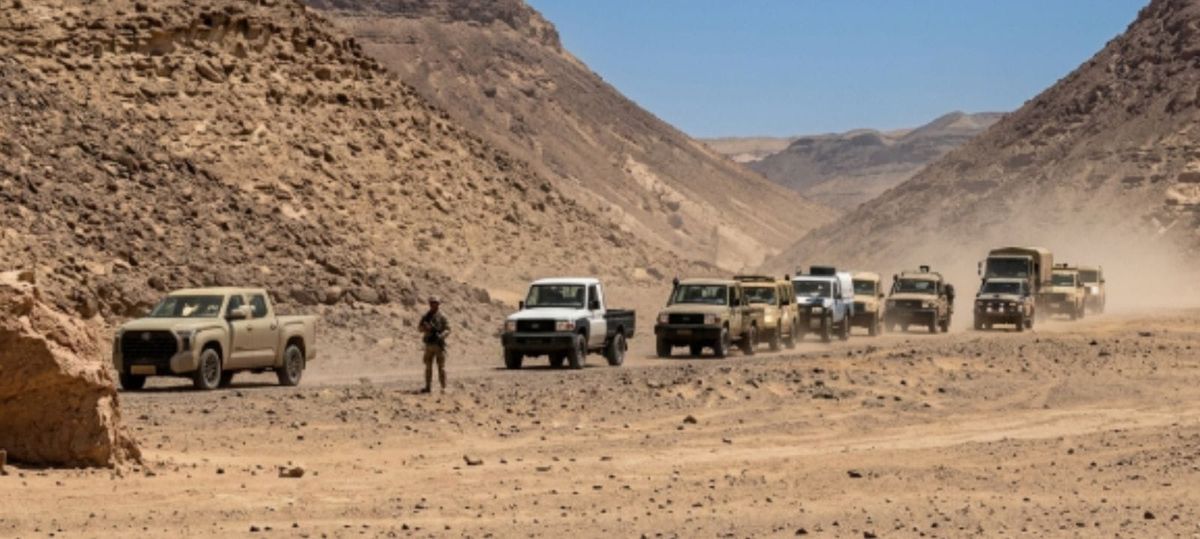
Diesel price adjustments pose the most immediate economic challenge. This fuel powers road freight, artisanal fishing, decentralized electricity production, and a significant portion of utility vehicles. Any price increase cascades into higher food costs, intercity transport fares, and operational expenses for small and medium businesses. Logistics operators fear added strain on supply chains, particularly along the Dakar-Bamako corridor, a critical trade route in West Africa.
Urban middle-class households, frequent users of premium gasoline, will feel the pinch first. Transport unions, often vocal in past adjustments, are expected to respond. Their success in securing official fare revisions could determine how smoothly the measure is received socially. The government faces a delicate balance between fiscal discipline and maintaining social stability, especially as inflation on essential goods remains a top political concern.
Budget credibility weighs on Dakar’s decision
The timing of this adjustment coincides with ongoing macroeconomic negotiations with international financial partners, notably the International Monetary Fund. Energy subsidy rationalization has long been a key recommendation from lenders, seen as both a fiscal credibility tool and a prerequisite for accessing concessional financing. By proceeding with this adjustment, authorities aim to reassure markets and investors at a time when Senegal seeks to strengthen its debt trajectory following revelations about its actual borrowing levels.
Effective communication will be critical. Past fuel price hikes in 2022 and 2023 triggered sporadic protests and targeted compensations for transporters and vulnerable households. The government’s next steps will reveal how budget savings from reduced subsidies are redeployed—whether toward healthcare, education, or support for productive sectors. Public scrutiny will determine if the shift toward market-reflective prices ultimately benefits key social and economic priorities.