44 journalists in Burkina Faso undergo military training amid press freedom concerns
In a striking turn of events, 44 journalists from Burkina Faso recently completed a week-long military-style training program focused on “patriotism.” The initiative, organized by the Ministry of Security, has sparked intense debate about the future of press freedom in the country. The training took place at the Police Academy in Pabré, just outside Ouagadougou, where participants donned military uniforms, handled firearms, and performed drills under the watchful eye of authorities.
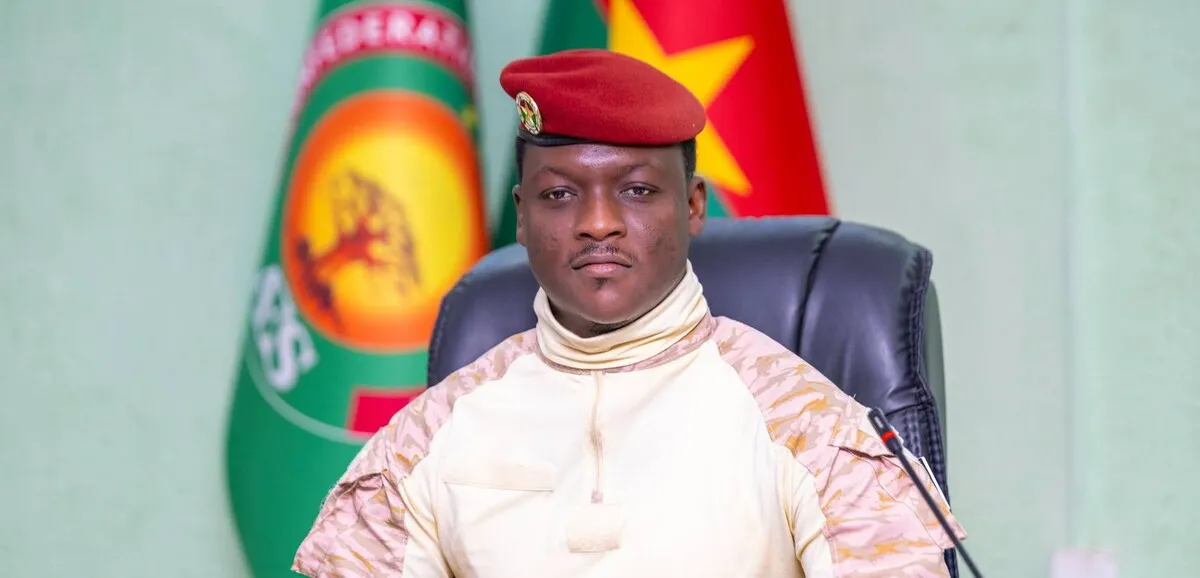
Military training becomes a new reality for Burkinabè journalists
The scene was unprecedented: journalists standing at attention with rifles in hand, chanting slogans, and executing military exercises. According to footage aired by the national broadcaster RTB, the training included physical drills, weapon handling, and group exercises. The Minister of Communication, Pingdwendé Gilbert Ouédraogo, set the tone by urging participants to become “patriotic and professional journalists.” The response from the journalists was immediate and unanimous: “Affirmative.”
Government defends initiative as a patriotism-building measure
Burkinabè authorities have fully embraced the program. Lassina Traoré, Director-General of the Police Academy, emphasized that the training aimed to expose journalists to the operational realities and values of the defense and security forces. Minister of Security Mahamadou Sana went further, announcing plans to make this training an annual tradition, with future sessions potentially extended to other professional groups. The government frames this initiative as a crucial step in fostering national unity amid ongoing jihadist insurgencies that have plagued the country for nearly a decade.
Press freedom advocates raise alarm
The training has drawn sharp criticism from press freedom advocates. Reporters Without Borders (RSF) warned that the initiative sends a dangerous signal to the media landscape in Burkina Faso. “This program represents a deeply troubling development for press freedom,” stated Sadibou Marong, RSF’s Sub-Saharan Africa director. The organization cautioned that journalists should not be turned into instruments of war, stressing that their role must remain rooted in independent reporting rather than patriotic mobilization.
Mounting pressure on Burkinabè media
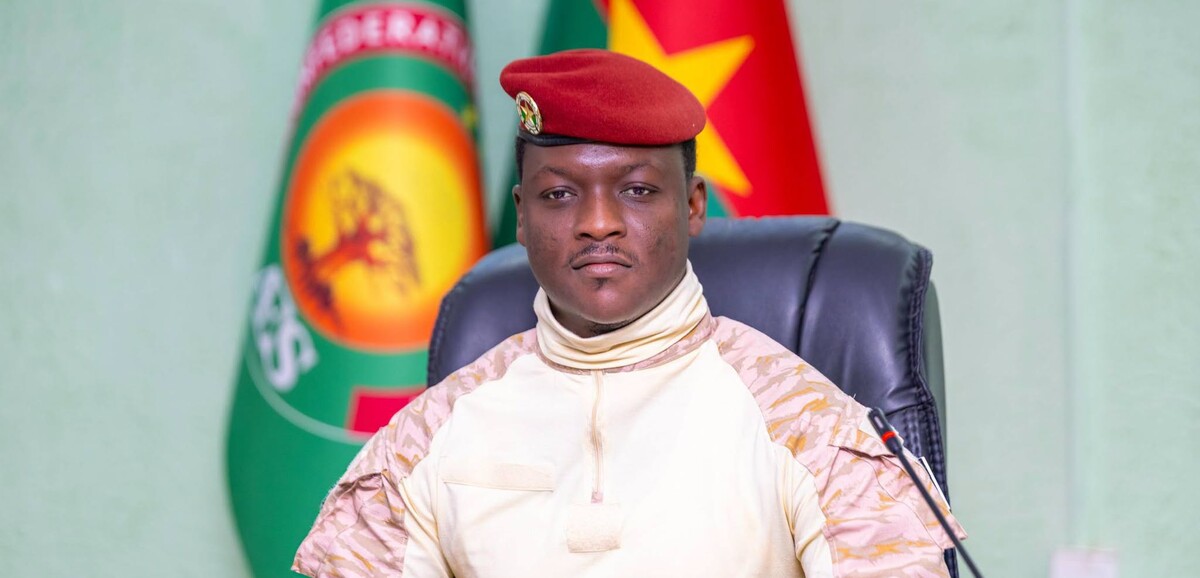
This military-style training follows a period of heightened restrictions on the media in Burkina Faso. Since the 2022 coup led by Captain Ibrahim Traoré, several outlets have been suspended, and critical voices have been systematically silenced. Reports indicate that journalists and other regime critics have been forcibly conscripted into counter-terrorism efforts. While the government defends its actions as part of a “sovereign and progressive popular revolution,” concerns grow about the blurring lines between journalism and state propaganda.
War as the backdrop for patriotic mobilization
Since 2015, Burkina Faso has been grappling with a brutal insurgency led by groups affiliated with Al-Qaeda and the Islamic State. The conflict has claimed thousands of lives and displaced over a million people, creating a fertile ground for the government’s narrative of national mobilization. However, the decision to institutionalize military training for journalists raises critical questions: How far can patriotic mobilization go before it undermines the very essence of journalism—the pursuit of truth and accountability? For RSF, the answer is unequivocal: journalists must remain journalists, even in times of war.