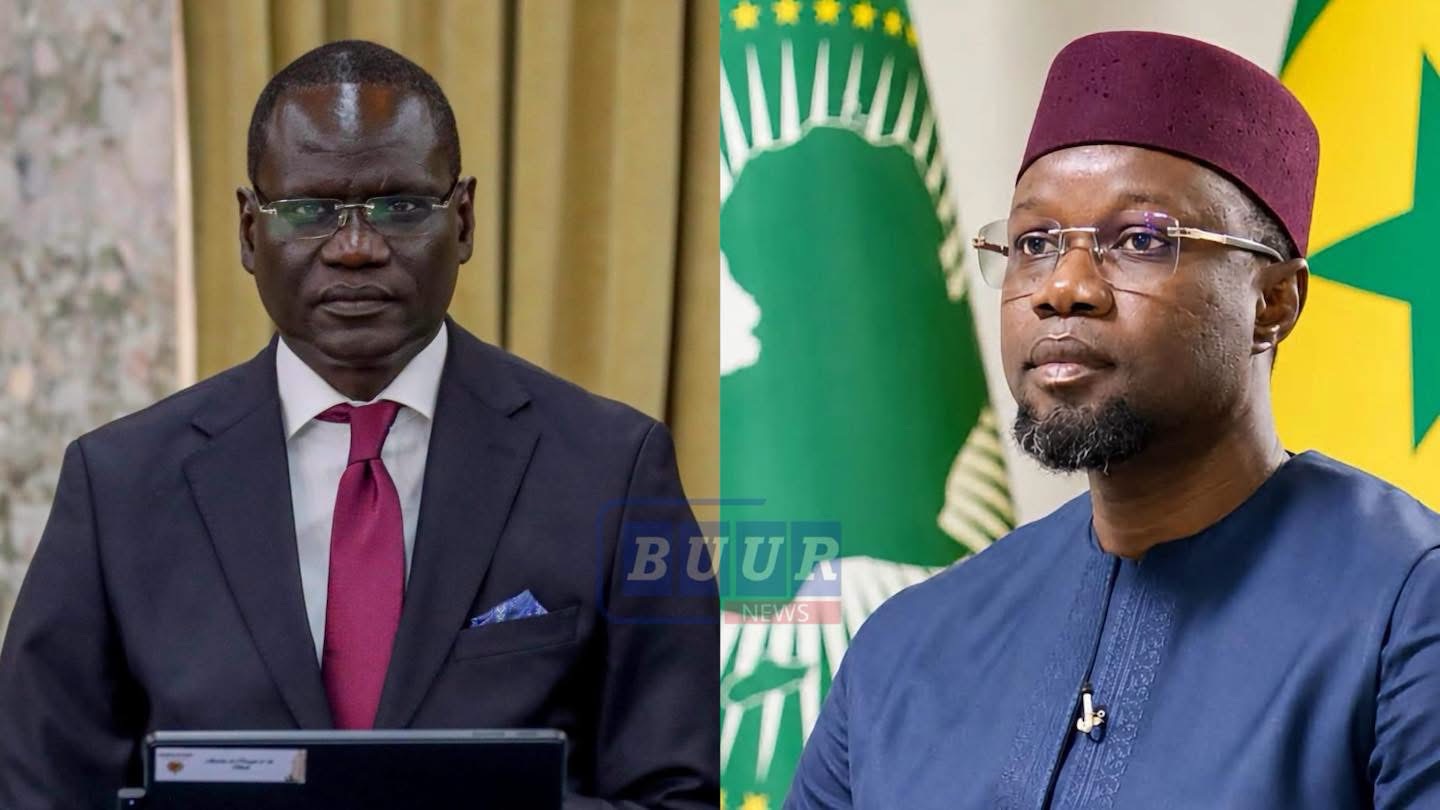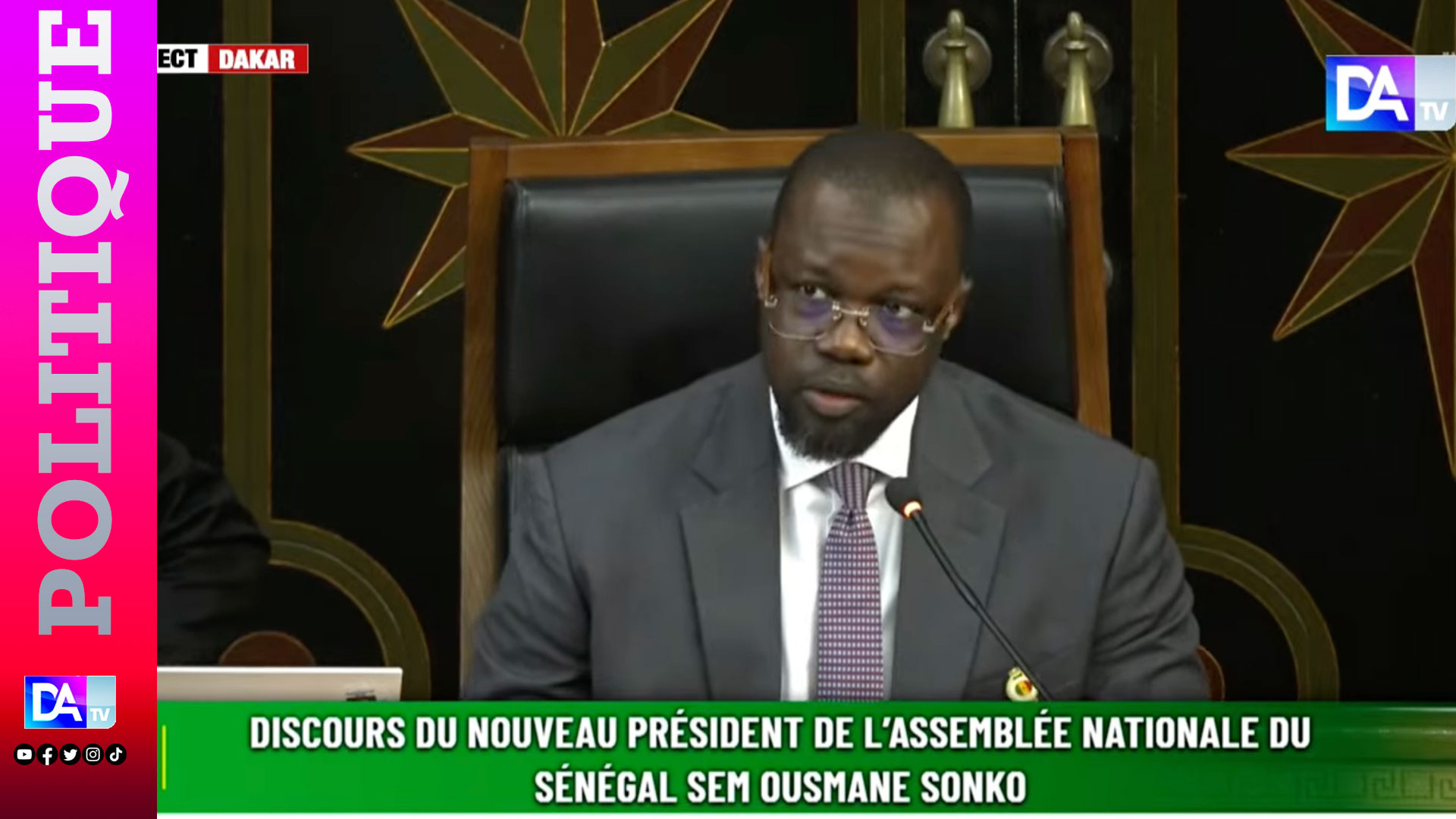
Controversy has erupted in Senegal over the management of discretionary funds allocated to the Prime Minister’s Office. Political commentator Badara Gadiaga has accused outgoing Prime Minister Ousmane Sonko of what he describes as ‘financial vampirism’ following the revelation that only a fraction of a 1.77 billion CFA francs allocation remained for his successor. Of the initial envelope, a mere 70 million CFA francs were reportedly left, according to Gadiaga’s claims aired on a Dakar-based media outlet.
The scandal spotlights the Prime Minister’s Office
This dispute centers on a highly sensitive aspect of Senegal’s political landscape: the use of discretionary funds, known as ‘fonds politiques,’ which finance sovereign and strategic expenditures. Unlike standard budgetary allocations, these funds operate outside the usual parliamentary oversight, raising persistent concerns about potential misuse for partisan interests. By directly naming Ousmane Sonko—key figure of the ruling coalition and leader of the Pastef party—Gadiaga’s accusations shift scrutiny to the very heart of the executive structure that emerged from the March 2024 political transition.
The stark discrepancy between the initial 1.77 billion CFA francs and the reported residual balance of 70 million CFA francs has intensified the controversy. The figures suggest that a significant portion of the funds was expended prior to the transition, fueling criticism that the outgoing administration failed to adhere to the transparency and austerity pledges made by the new leadership upon taking office. However, these allegations currently lack publicly available financial documentation to substantiate them.
Transparency in public spending under renewed scrutiny
This debate is not isolated. For years, Senegalese civil society organizations and segments of the political class have advocated for stricter regulation of political and special funds, drawing parallels with governance reforms in neighboring democracies. The issue ties into a broader conversation about accountability and the curbing of extra-budgetary spending—a cornerstone of the electoral platform championed by President Diomaye Faye and Prime Minister Ousmane Sonko during their presidential campaign.
While the Court of Auditors is constitutionally tasked with auditing such financial flows, its reports rarely provide detailed breakdowns of the Prime Minister’s Office allocations. Should the reported imbalance between the initial allocation and the final balance be confirmed, it would raise serious questions about the alignment between the government’s reformist rhetoric and its actual practices. It would also cast doubt on the efficacy of internal controls within the Prime Minister’s Office during the transition period.
A politically charged revelation amid shifting alliances
The timing of Gadiaga’s allegations adds weight to their impact. Since the appointment of a new Prime Minister, Dakar’s political scene has been in flux, with every public statement subjected to intense scrutiny. Internal tensions within the ruling coalition and strategic moves by the opposition—eager to regain political momentum—have amplified the sensitivity surrounding financial governance. The controversy indirectly reinforces criticisms leveled at Ousmane Sonko by his detractors, who allege that substantial resources were diverted or concentrated in the final months of his tenure.
As of now, no official response has been issued by the Prime Minister’s Office. Allies of the former Prime Minister may argue that expenditures were necessary to prepare for political and administrative transitions, as well as to maintain the functioning of government offices. Without detailed financial disclosures, the debate risks becoming mired in a clash of narratives rather than a fact-based resolution. Nevertheless, calls for an independent audit are gaining traction, particularly if the controversy persists. Gadiaga’s remarks were made during a media appearance focused on public fund management at the highest levels of government.