Chad’s presidential pardon for opposition leaders: a step toward stability or just a pause?
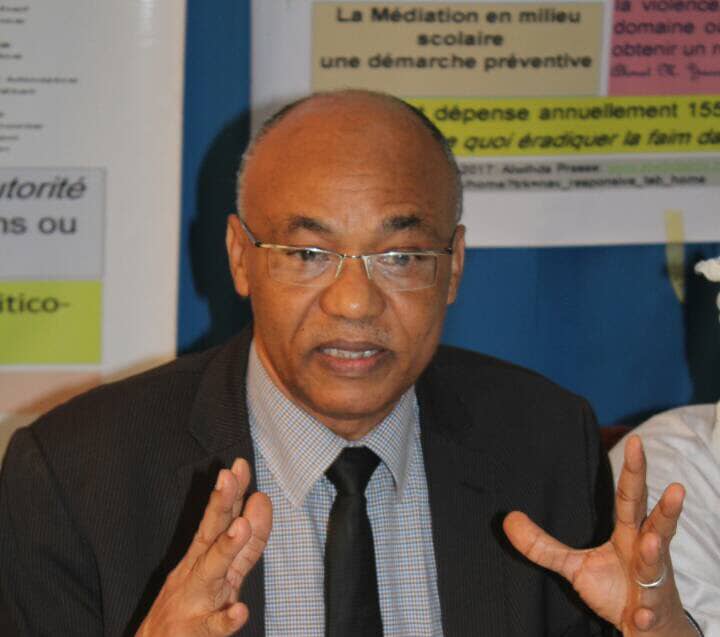
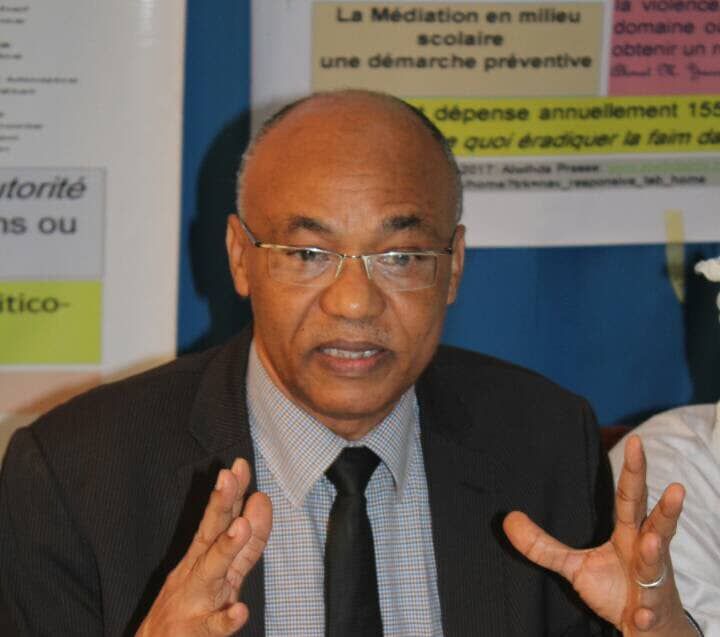
In the view of Dr. Ahmat Yacoub Dabio, president of the Centre for Development and Extremism Prevention Studies (CEDPE), the recent presidential pardon granted to key opposition figures in Chad marks a significant political gesture—one that temporarily eases tensions but falls short of ensuring lasting reconciliation.
Why this pardon matters — and why it doesn’t go far enough
Dr. Dabio highlights that the pardon, while symbolic, creates breathing room in Chad’s tense political climate. It signals an intent to reduce hostility and foster dialogue, but it does not resolve the underlying fractures. A critical concern remains: several prominent opposition leaders, though pardoned, remain barred from running in elections. This contradiction—receiving clemency while facing electoral exclusion—undermines the possibility of genuine reconciliation.
The CEDPE warns that this paradox could reshape Chad’s political landscape in unexpected ways. Traditional parties may struggle to adapt, potentially losing ground to younger leaders who prioritize pressing issues such as employment, purchasing power, security, and justice. Yet, if the ineligibility of opposition figures is seen as permanent, resentment could deepen instead of dissipate.
A call for deeper, more inclusive change
For Dr. Dabio, a presidential pardon alone cannot rebuild trust between the government and the opposition. A credible, transparent, and inclusive framework is essential to transform this momentary opening into a sustainable process of national reconciliation. Without such steps, the pardon risks being perceived as a tactical move rather than a meaningful step forward.
The future of Chad’s political climate now hinges on whether this act of clemency is followed by structural reforms—or if it remains a symbolic gesture with limited impact.