Congo crisis: Tshisekedi backs down as C64 stands firm
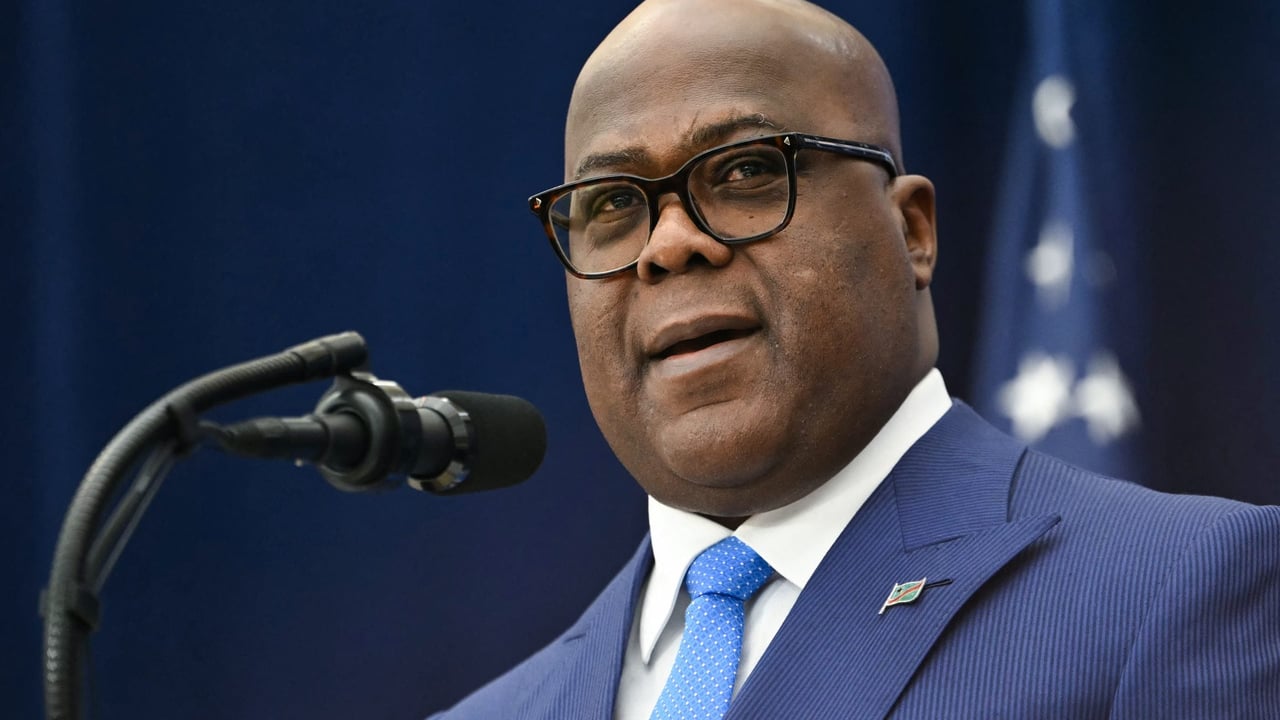
In the Democratic Republic of the Congo, President Félix Tshisekedi has sent the referendum law back to Parliament for a second reading, just one day before the ultimatum imposed by the C64 opposition coalition expires. The move comes after the Constitutional Court declared the law constitutional—with certain reservations.
Tshisekedi’s tactical retreat under pressure
Though many assumed the referendum law was already in effect due to the president’s failure to sign it within 15 days—a constitutional requirement—Félix Tshisekedi has now chosen to send it back to Parliament. This means the text will undergo further deliberation, taking into account the Constitutional Court’s observations.
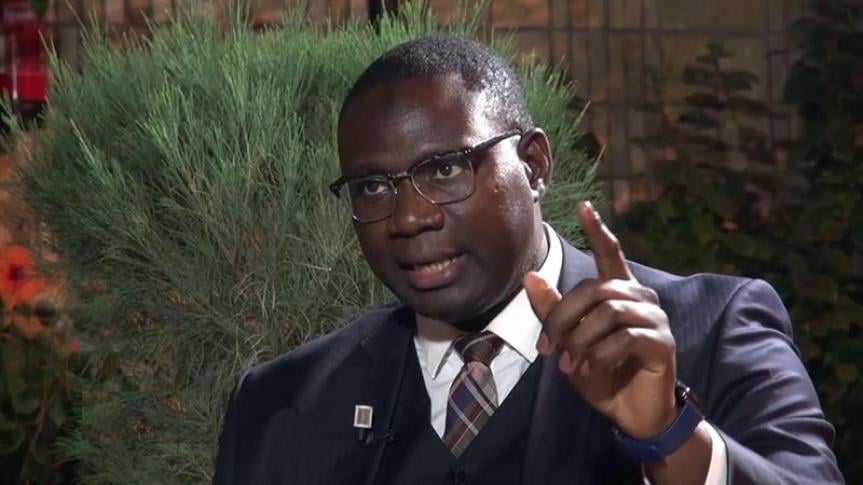
Professor Bob Kabamba, a political scientist at the University of Liège in Belgium, describes this as a clear retreat by the Congolese leader. However, he cautions that this does not signal an end to Tshisekedi’s ambitions to extend his hold on power beyond 2028, when his second term is set to conclude.
“It would be naive to overlook the intense pressure first from the opposition and regional actors. These combined forces, along with internal consultations, have forced Tshisekedi to backtrack—at least temporarily. But this maneuver doesn’t mean he’s given up on finding another way to stay in power after 2028,” Kabamba explains.
C64 refuses to ease pressure despite partial victory
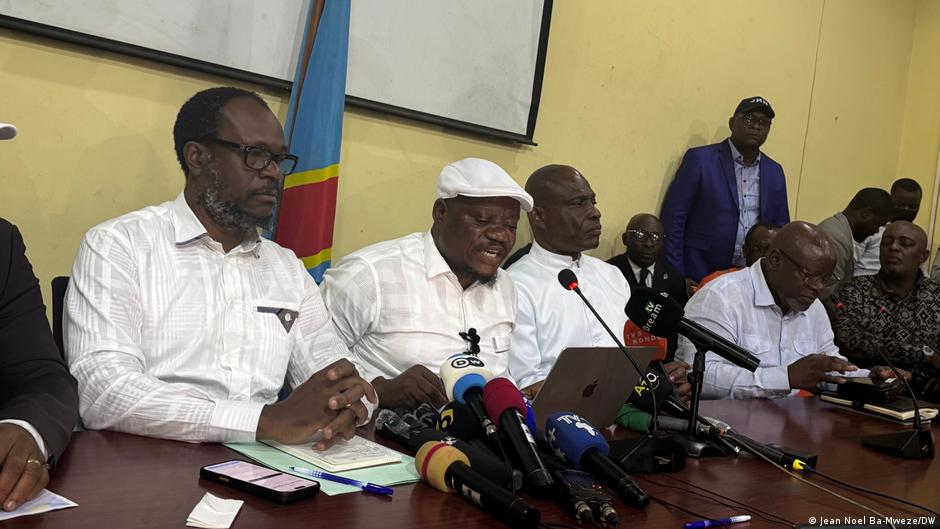
The C64 coalition, along with dozens of civil society organizations, had demanded that President Tshisekedi abandon his constitutional reform plans by August 15 and reject the referendum law outright. They also insisted on the immediate convening of an inclusive national dialogue—though no date has been set.
With the ultimatum’s deadline fast approaching, the coalition remains unmoved. Franklin Tshiamala, Secretary General of the Leadership for Governance and Development (LGD)—affiliated with former Prime Minister Augustin Matata Ponyo—has warned of decisive action.
“By midnight on August 15, we will confirm that nothing has been done. We will then unveil a series of targeted operations through the C64’s strategic task force. These measures are designed to restore reason to a regime that has stripped us of our freedoms and now seeks to seize our national sovereignty,” Tshiamala declares.
The standoff intensifies
From the government’s perspective, the referendum process is framed as a legitimate political and institutional initiative. The ultimatum issued by the C64, it is argued, holds no legal weight and cannot dictate the president’s agenda.
“The C64’s ultimatum is theirs alone—perhaps a gesture to appease their backers. But the Republic of Congo continues to function normally,” asserts Adolphe Amisi Makutano, a senior member of the Union for Democracy and Social Progress (UDPS), the party of President Félix Tshisekedi.
The political deadlock remains. The August 15 deadline could mark the beginning of a new chapter in the Democratic Republic of the Congo’s turbulent political landscape.