
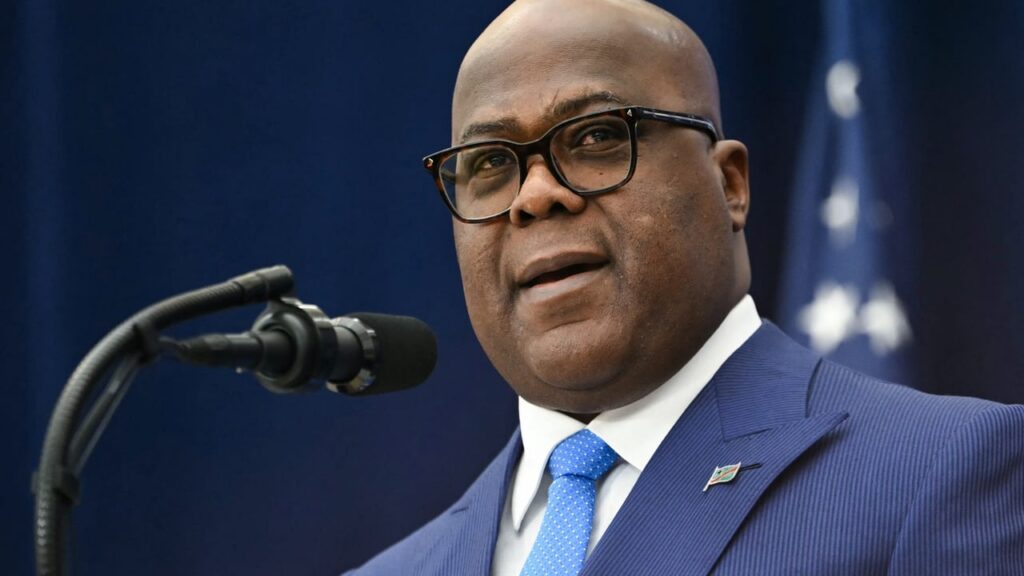
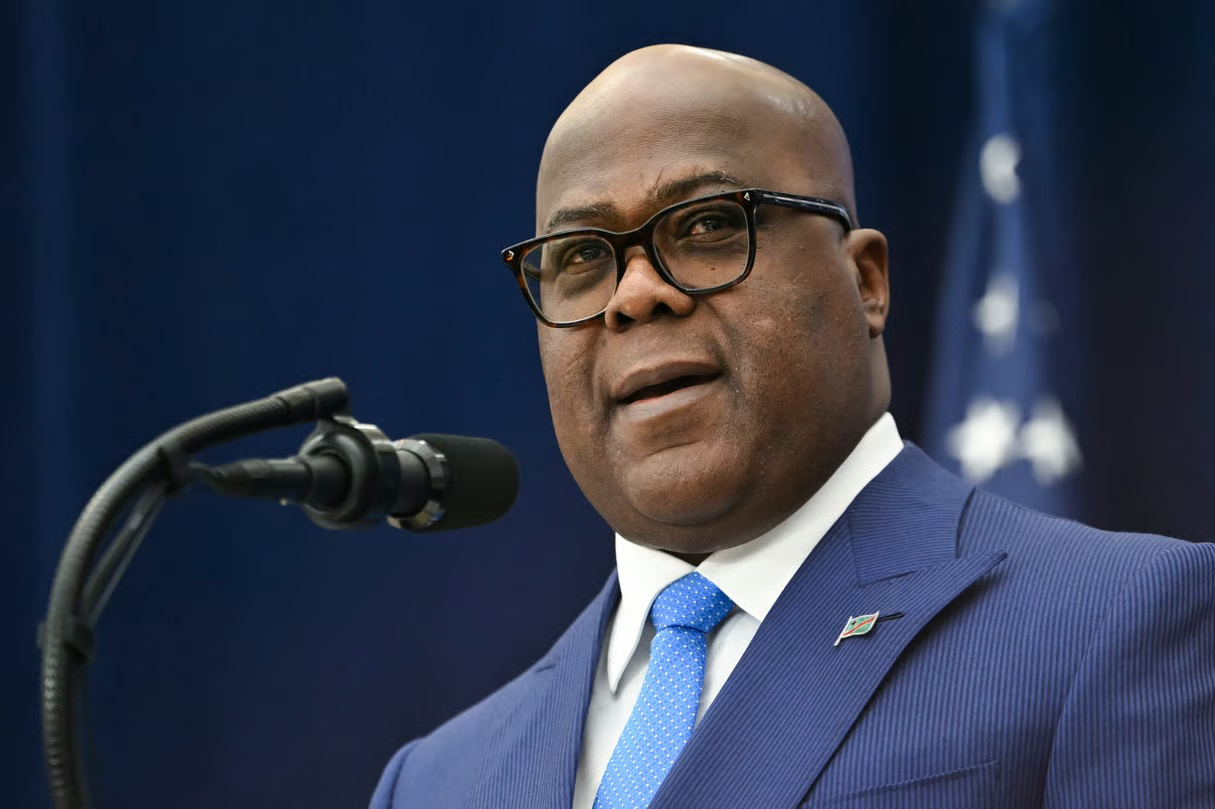
Kinshasa’s constitutional court has delivered a landmark ruling, greenlighting legislative changes that pave the way for President Félix Tshisekedi to seek a third consecutive term in office. The decision, issued following intense legal scrutiny, removes the final legal hurdle standing between the head of state and potential re-election in the upcoming national polls.
Constitutional green light for a third mandate
The high court’s verdict confirms the constitutionality of amendments passed by Parliament late last year, which reset term limits and reset the clock on presidential mandates. Legal experts note that this interpretation allows Tshisekedi to run again, despite earlier provisions that had capped presidential terms at two consecutive five-year periods.
The ruling has ignited sharp reactions across the political spectrum. Supporters of the President argue that the decision upholds democratic continuity and reflects the will of the electorate. Critics, however, warn that the move undermines constitutional safeguards and threatens to deepen political instability in the Democratic Republic of the Congo.
Legal machinations behind the scenes
Parliament’s swift approval of the constitutional amendments in 2025 triggered immediate backlash from opposition factions and civil society groups. Protests erupted in major cities, with demonstrators accusing the government of manipulating legal frameworks to entrench power. Despite these objections, the amendments cleared all parliamentary hurdles, setting the stage for the constitutional court’s decisive ruling.
Legal analysts highlight that the court’s interpretation hinges on a narrow reading of constitutional clauses, particularly those relating to term limits. The decision underscores the judiciary’s evolving role in shaping the country’s political trajectory, often at the center of national debates.
Regional and international reactions
The court’s verdict has drawn attention beyond the borders of the Democratic Republic of the Congo. Regional blocs and international observers are closely monitoring the developments, with some expressing concerns over the potential erosion of democratic norms. The decision could influence political calculations in neighboring nations grappling with similar debates over presidential term limits.
Within the country, the ruling has further polarized an already divided political landscape. Pro-government factions have hailed the decision as a victory for stability, while opposition leaders vow to challenge the outcome through mass mobilizations and legal avenues. The coming months are expected to witness heightened political activism as stakeholders prepare for the next electoral cycle.
What’s next for Félix Tshisekedi?
With the constitutional path now cleared, President Tshisekedi is poised to launch his re-election campaign, leveraging his current administration’s achievements to rally support. His political machinery is expected to focus on economic recovery efforts and infrastructure projects as key campaign pillars. Meanwhile, opposition coalitions are scrambling to consolidate their strategies, with some eyeing potential alliances to counter Tshisekedi’s bid for a third term.
The constitutional court’s decision marks a pivotal moment in the Democratic Republic of the Congo’s political history. As the nation braces for the next chapter in its democratic journey, the ruling underscores the delicate balance between legal interpretation and political ambition.


More Stories
Sonko’s sharp critique of Senegal’s imf deal stirs debate
Cameroun : prendre des mesures incitatives pour booster les inscriptions sur les listes électorales
DRC’s new inclusive national dialogue: what outcomes can be expected?