Sénégal’s political landscape shifts as Sonko assumes assembly leadership
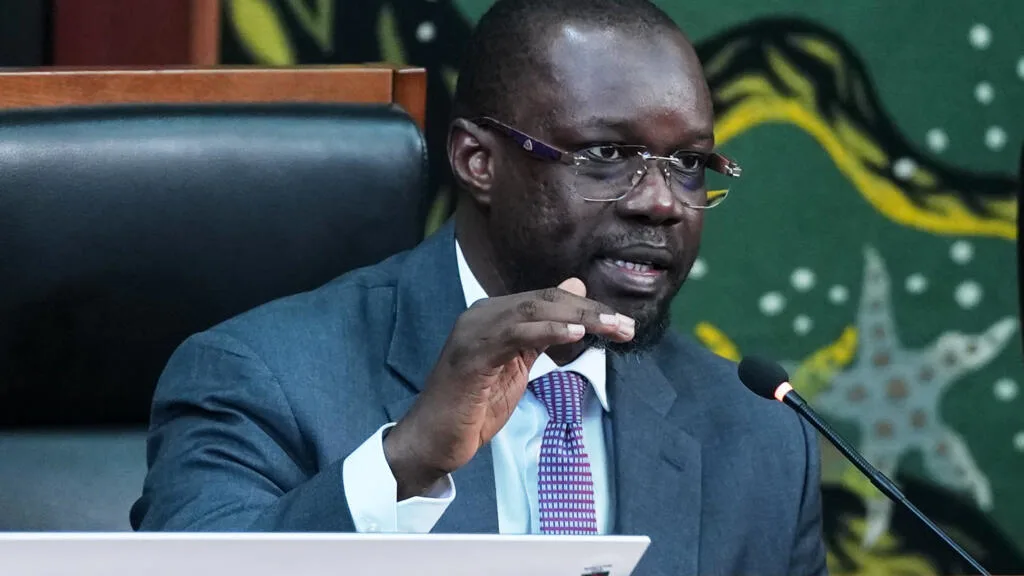
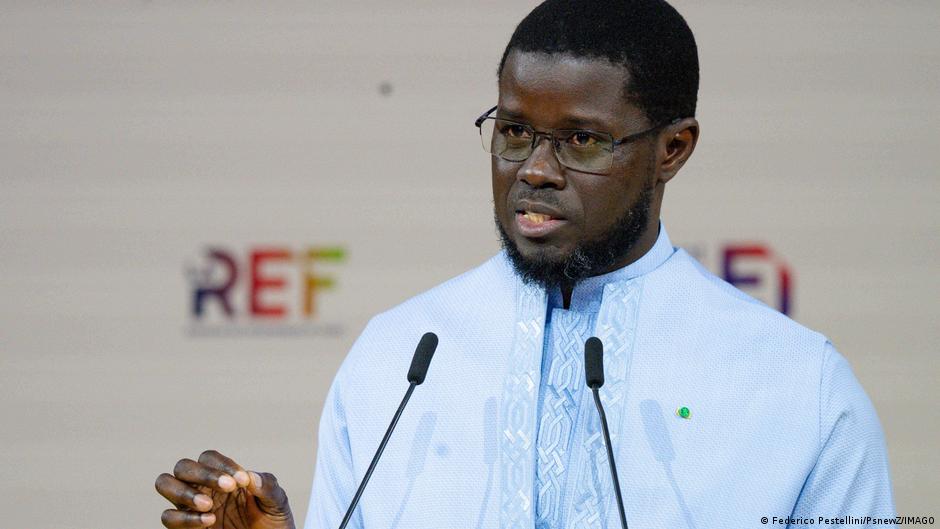
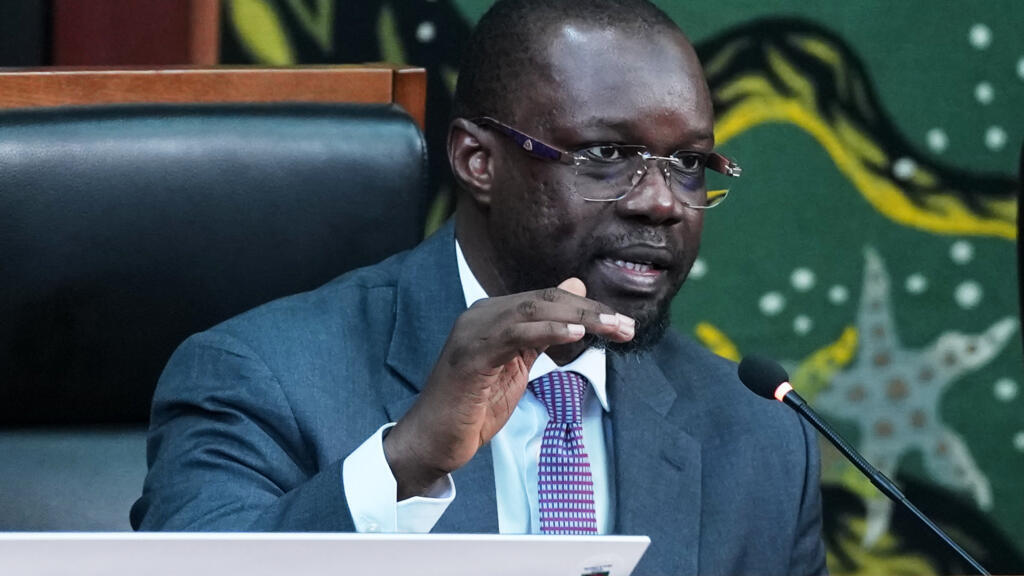
Just days after his removal from office, former Prime Minister Ousmane Sonko reclaimed political momentum by securing the presidency of the National Assembly. Addressing the nation on Tuesday, Sonko framed his election not as a setback but as a renewed mandate, declaring, “A dismissal carries no political dishonor.” Emphasizing his popular legitimacy, he positioned himself as a unifying figure in an otherwise fractured landscape.
Sonko’s speech struck a conciliatory tone toward the executive branch, pledging to avoid institutional paralysis, personal vendettas, or unnecessary confrontation. Instead, he vowed to scrutinize government actions rigorously and deploy every parliamentary oversight tool at his disposal to hold authorities accountable—particularly if disagreements arise over policy or governance.
A first-of-its-kind cohabitation
Political observers describe the unfolding dynamic as an unprecedented cohabitation. Ellimane Haby Kane, director of the Legs Africa think tank, notes that while Sonko’s approach may appear measured, his ultimate goal is to rein in executive power. The analyst points to mounting tensions over the Pastef party’s exclusion from consultations on key appointments—including the Prime Minister and cabinet—as evidence that the power struggle is far from over.
Within hours of Sonko’s victory, the Pastef issued a statement outlining initial contacts with presidential aides regarding government formation—followed swiftly by demands for inclusion. The party’s conditions for participation suggest the legislative-executive standoff will intensify, reshaping the contours of governance in Sénégal.