Chad’s president pardons opposition leaders amid political tensions
In a landmark decision, Chad’s president Mahamat Idriss Déby has issued a decree pardoning Succès Masra, a prominent opposition figure and former prime minister, alongside eight other opposition leaders. Masra, who was serving a 20-year prison sentence, now stands free after more than a year behind bars. While the government frames this as a gesture of reconciliation, political analysts and opposition members remain cautious, interpreting it as a strategic move to ease social unrest without fully integrating opposition leaders into the electoral process.
Analysts weigh in on the implications of the presidential pardon
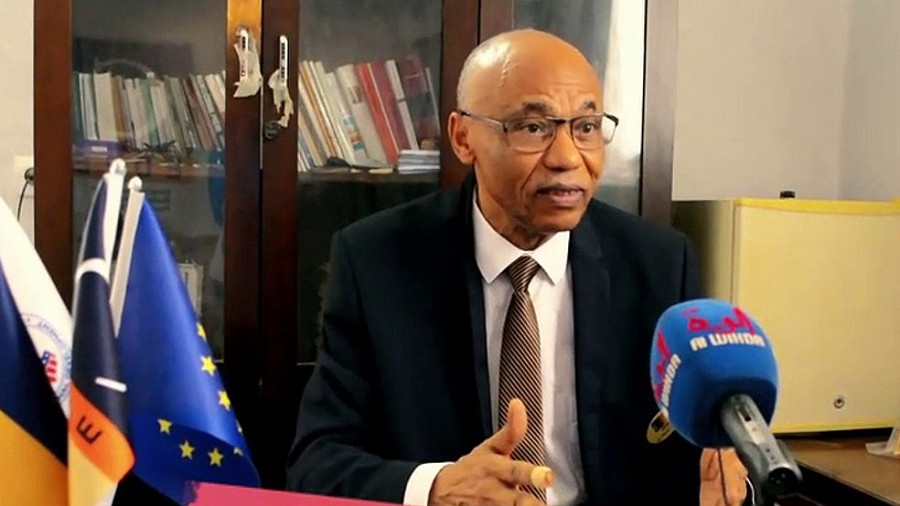
Ahmat Yacoub Dabio, a conflict management expert and president of the Centre for Development and Extremism Prevention Studies (CEDPE), acknowledges the significance of the pardon. «This decision could serve as a pivotal political gesture,» he notes, «temporarily easing tensions and potentially opening a pathway for political calm.» However, he emphasizes that the move has its limitations. «True political détente requires more than a pardon; it demands structural changes that foster lasting trust between the government and opposition,» he argues.
Dabio highlights a critical paradox: while some opposition leaders are granted clemency, they remain barred from participating in elections due to ineligibility rules. «This creates a contradictory situation where influential figures are freed but cannot translate their influence into electoral success,» he explains. «The political landscape in Chad is likely to shift as traditional opposition parties may struggle to adapt, potentially reorganizing around new leadership.»
Risks of political exclusion and public frustration
The expert warns that prolonged ineligibility could deepen frustration among opposition supporters. «If institutional routes to political participation are perceived as inaccessible, some may turn away from conventional politics entirely,» he cautions. «For a country that desperately needs stability, it is crucial that political competition operates within a credible, inclusive, and transparent framework.»
Dabio, a former advisor to Chad’s national mediator, views Masra’s pardon as merely a symbolic first step. «The government’s next moves will determine Chad’s political future,» he asserts. «Will they follow up with concrete actions to fully reintegrate the opposition and ensure fair elections?» The analyst stresses that restoring trust hinges on the power’s willingness to embrace constructive opposition and guarantee fair participation for all political actors.
The path to lasting reconciliation
For Chad to achieve meaningful democratic progress, Dabio argues, the country needs more than a tolerated opposition—it needs a strong opposition capable of fulfilling its institutional role. «Equally important is a government secure enough in its legitimacy to accept political contradiction,» he states. «Only under these conditions can a presidential pardon evolve from a symbolic act into a cornerstone of broader national reconciliation.»