Côte d’Ivoire is stepping up efforts to bolster its livestock and fisheries production as part of a broader strategy to cut reliance on costly meat imports. Official data shows that the country spent a staggering 782 billion West African CFA francs on imported meats and offal in 2024, underscoring the urgency of scaling up domestic output.
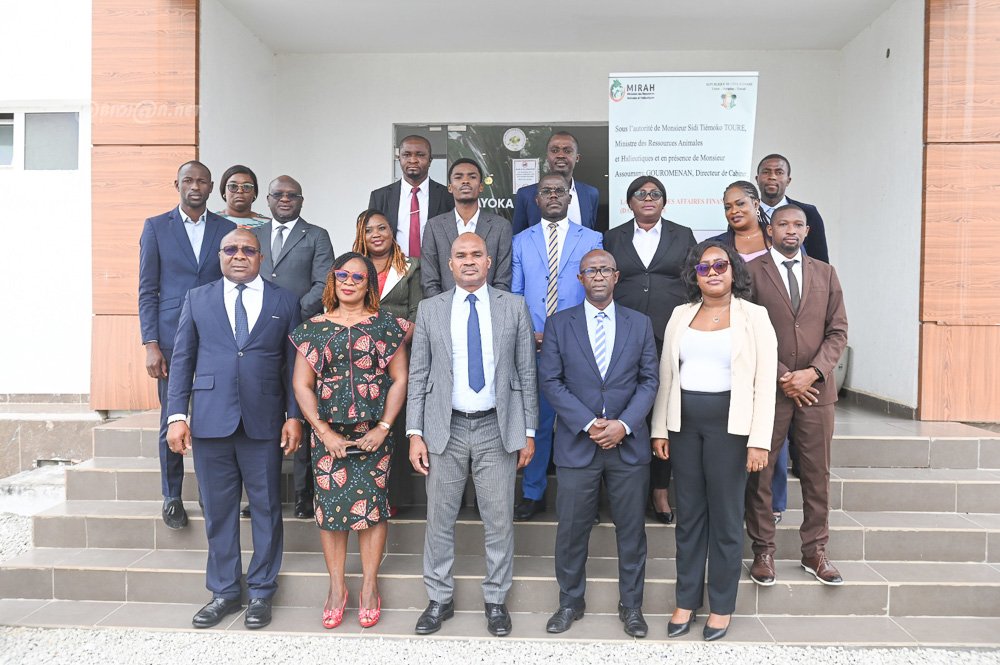
Addressing a three-day workshop in Jacqueville focused on revising the 2027-2029 Multiannual Programming and Performance Plan (DPPD-PAP), Bouadi Beda Paul, Director of Financial Affairs at the Ministry of Animal and Fisheries Resources (MIRAH), emphasized the need for a results-driven budgeting approach. The goal is to align spending with sector-specific challenges and long-term objectives.
Central to this vision is the 2026-2030 National Development Policy for Livestock, Fisheries, and Aquaculture (PONADEPA), which prioritizes food sovereignty and private-sector engagement. ‘In a results-based management framework, crafting the DPPD-PAP is no longer optional — it’s a necessity,’ Bouadi Beda Paul stated during the session.
Strategic planning for sustainable growth
The workshop, held from July 29 to 31, brought together top officials from MIRAH’s various departments to pinpoint priority needs for the next three years. The resulting document will outline ministry objectives, actionable steps, and clear performance indicators to ensure efficient use of public funds.
By fostering a data-driven approach, Côte d’Ivoire aims to turn its livestock and fisheries sectors into engines of economic growth while reducing import dependency.
Youth urged to tap into blue and green economies
Bouadi Beda Paul also called on young Ivorians to explore careers in livestock farming, fish farming, and aquaculture, sectors he described as rich in employment opportunities. With rising global demand for protein, these fields offer both financial stability and the chance to contribute to national food security.