Gabon’s parliament grills government on key national issues
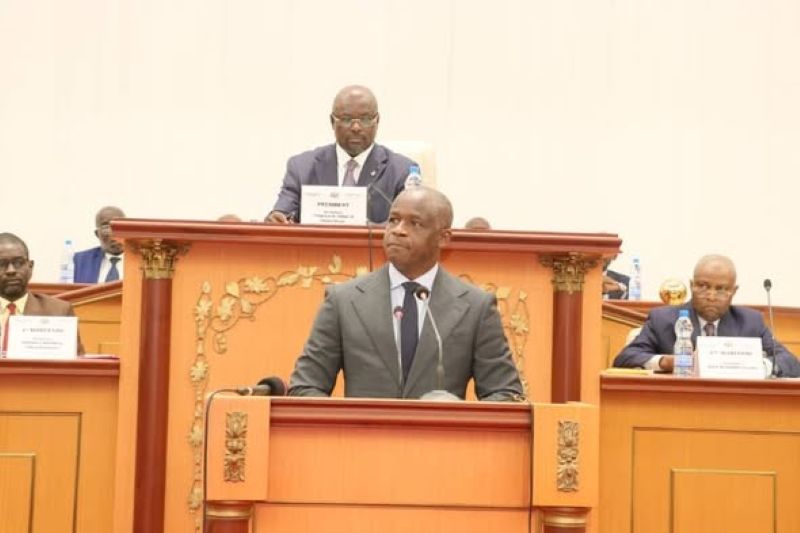
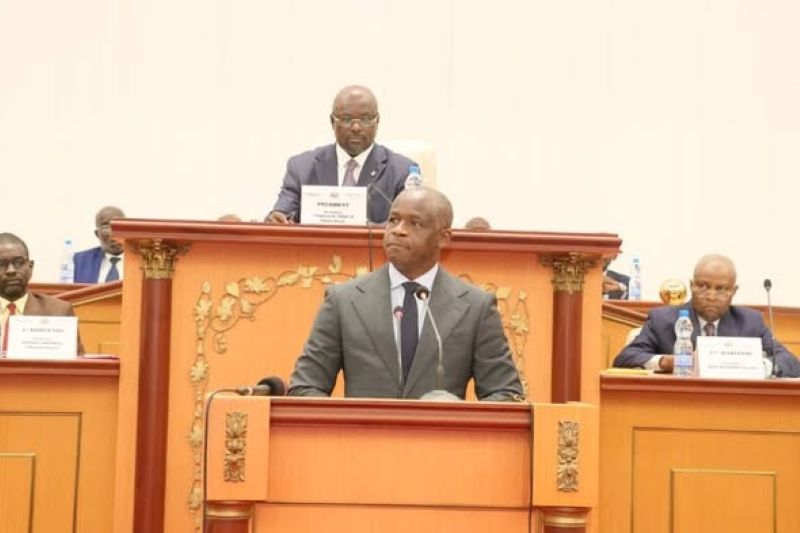
Libreville, Wednesday, June 3, 2026 – Gabon’s National Assembly has put the government on the hot seat, as deputies questioned ministers on pressing national challenges ranging from economic sovereignty to social welfare.
The parliamentary session on Tuesday was far more than a routine exercise. For the first time since the 14th legislature began, lawmakers actively scrutinized government policies, reflecting the deep concerns of a nation grappling with rising living costs, education gaps, healthcare access, security threats, unemployment, and the urgent need for economic independence.
At the Palais Léon Mba, following constitutional and parliamentary rules, legislators posed nearly twenty questions to cabinet members. This critical debate comes just days before the June 15 parliamentary congress, where President Brice Clotaire Oligui Nguema is set to deliver his State of the Nation address.
Youth challenges dominate the agenda
One of the most pressing issues raised was the alarming spread of drugs and addictive substances in schools. Sixth Vice President of the National Assembly Huguette Tsono pressed Vice President Hermann Immongault on this crisis, who acknowledged its severity and reassured the nation of government efforts to safeguard the education system.
This problem extends beyond classrooms. With most of Gabon’s population under 30, combating addiction is no longer just an educational issue—it is a national imperative for social stability and long-term growth.
Education reform also took center stage. Deputy Dorland Chancely Olengué questioned Education Minister Camélia Ntoutoume-Leclercq about progress. She confirmed that reforms are progressing as planned, though she acknowledged the immense expectations of families. Improving Gabon’s education system demands sustained, long-term transformation.
Economic sovereignty and local transformation
Another pivotal theme was economic policy. The gradual ban on imported chicken sparked debate over the country’s new economic direction. Agriculture Minister Pacôme Kossy emphasized that this move aims to build a robust national poultry industry capable of meeting domestic demand while creating jobs.
This decision reflects a broader ambition: reducing Gabon’s reliance on food imports and boosting local production. Mining reforms presented by Mines Minister Sosthène Nguema Nguema further underscore this shift. The announced ban on exporting raw manganese aligns with a strategy to retain more value within the country through local processing.
This approach marks a significant departure from Gabon’s traditional reliance on raw material exports, aligning with a growing trend among African nations seeking to industrialize their natural resources.
Everyday struggles take center stage
Parliamentarians also highlighted pressing social issues. Problems with national ID and passport issuance were raised with Interior Minister Adrien Nguema Mba, a particularly urgent matter for inland communities where access to government services remains difficult.
Pensioners, CNAMGS beneficiaries, people with disabilities, and single mothers raised concerns to Social Affairs Minister Armande Longo épouse Moulengui. These discussions serve as a reminder that economic growth alone cannot uplift lives without tangible improvements in daily living conditions.
Parliament reclaims its oversight role
Beyond ministerial responses, this session underscored a resurgence of the National Assembly as a forum for public debate. By addressing issues from food security and industrial transformation to education, health, and administrative governance, legislators reasserted their constitutional duty to hold the executive accountable.
National Assembly President Michel Régis Onanga Ndiaye closed the session by signaling the upcoming parliamentary congress—a pivotal political event that will assess progress on major reforms launched during the transition.
This inaugural question-and-answer session of the 14th legislature serves as a powerful indicator. Gabon is navigating deep structural changes while facing immense social expectations. Between economic sovereignty, state modernization, and improving citizens’ lives, the government is now judged not just by its vision but by its ability to deliver tangible results. The coming months will determine the credibility of Gabon’s public action.