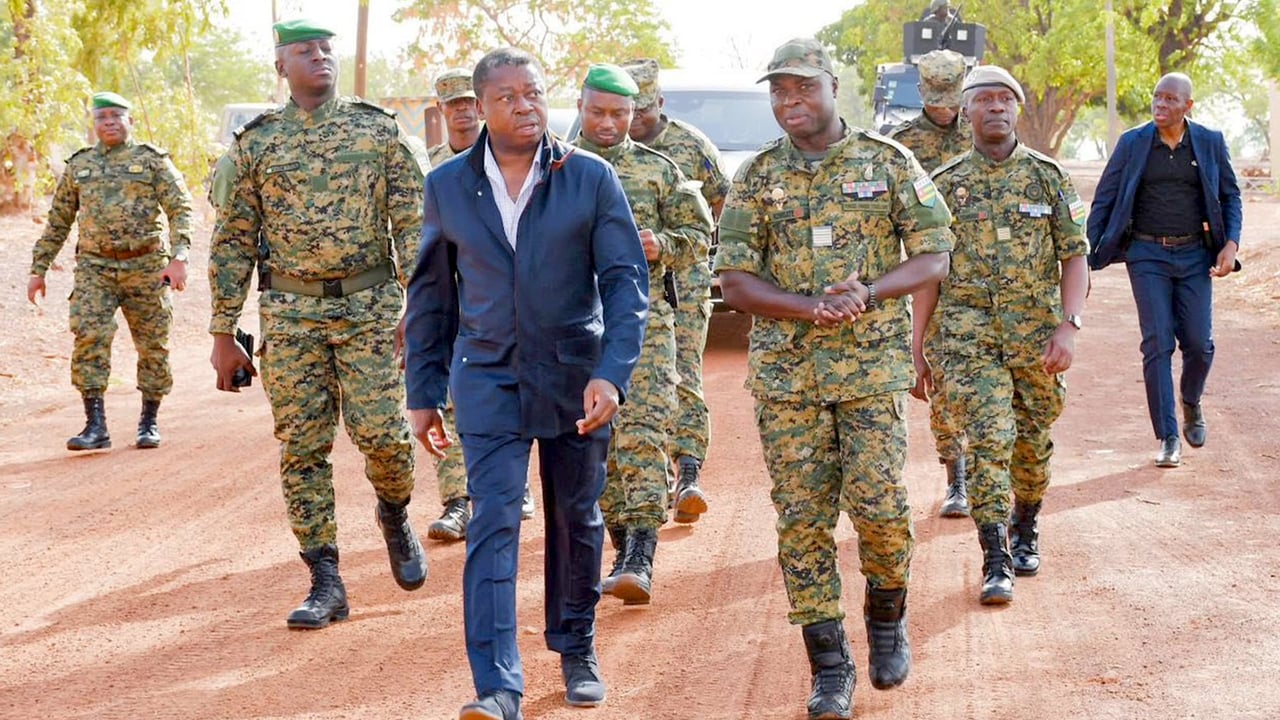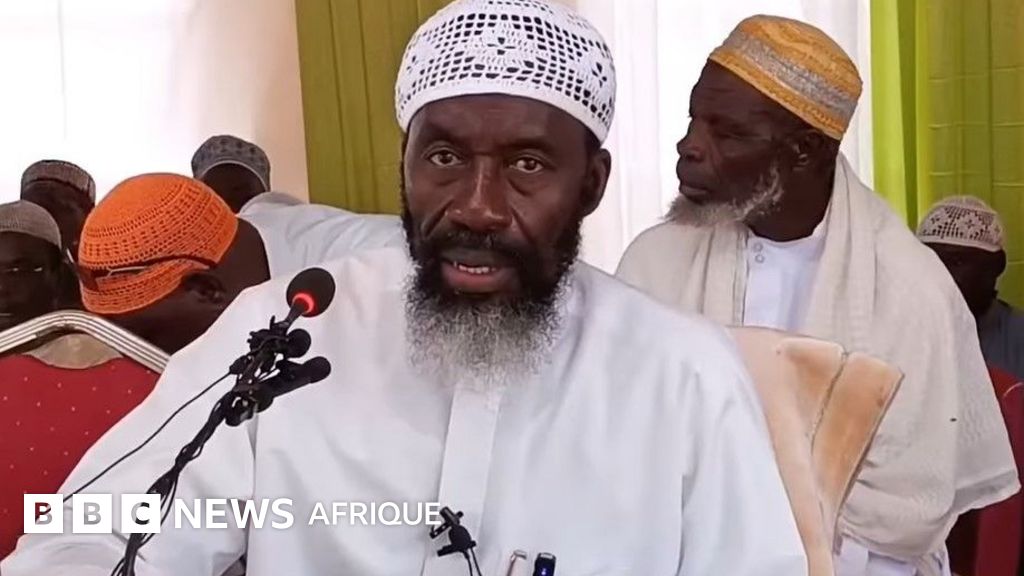
The capital of Burkina Faso witnessed a tense scene on Tuesday, May 26, when security forces conducted a high-profile arrest of a prominent Sunni imam. Mohamed Ishaq Kindo, widely respected as the leader of the country’s Sunni scholars, was taken into custody by plainclothes officers and military personnel in a heavily secured operation.
The operation unfolded just one day before Eid al-Adha celebrations, heightening community tensions. Witnesses reported that officers used force to detain the religious figure, leading to clashes with nearby worshippers. Several civilians sustained injuries during the confrontation, according to local accounts.
Religious freedom law at the heart of the controversy
Mohamed Ishaq Kindo’s arrest comes shortly after he publicly criticized a new law regulating religious freedoms in Burkina Faso. The legislation, passed in March, has drawn mixed reactions across the country. While authorities argue it aims to curb extremism and online hate speech, critics view it as an overreach that could stifle legitimate religious expression.
The Sunni Muslim community swiftly responded through the Federation of Islamic Associations of Burkina (FAIB), issuing a statement demanding transparency about the cleric’s whereabouts and legal status. The organization confirmed it was pursuing official channels to obtain answers from government representatives.
Public outcry and official silence
Within hours of the arrest, hundreds of supporters gathered in Ouagadougou to protest the detention. Authorities responded by dispersing the crowd with tear gas, according to witnesses. The FAIB appealed for calm, urging followers to remain peaceful during this uncertain period.
Meanwhile, Burkina Faso’s transitional government has maintained complete silence regarding the case. President Ibrahim Traoré, speaking during his Tabaski holiday address, focused on national security threats and praised defense forces battling jihadist groups. He warned against any actions that could undermine national stability or morale.
Key provisions of the contested religious law
The new legislation prohibits the establishment of religious buildings in public institutions, with limited exceptions for health facilities, prisons, and military barracks. Authorities emphasize that individual prayer in public spaces remains permitted, as long as it respects others’ beliefs. The government frames these measures as necessary responses to rising religious radicalism and online incitement in the Sahel region.
Since the current military leadership took power nearly four years ago, Burkina Faso has experienced multiple high-profile detentions of dissenting voices. Government officials consistently cite the decade-long counter-terrorism campaign as justification for their stringent policies.