Tactical battle: Rayo Vallecano vs Crystal Palace in Conference League final
Tonight’s Europa Conference League final at the Red Bull Arena promises to be a clash between two teams that defy traditional expectations. Crystal Palace and Rayo Vallecano may not be household names in European football, but both clubs are chasing history—and a trophy that would mark a defining moment in their respective journeys.
Oliver Glasner has already etched his name into Crystal Palace folklore by delivering the club’s first major trophy, the FA Cup, last season. But European glory carries a different weight. Meanwhile, Rayo Vallecano’s presence in the final is even more remarkable. Under the guidance of Iñigo Pérez, the Madrid-based side has crafted an identity that blends relentless intensity with tactical refinement, earning quiet admiration from neutral observers.
Despite their contrasting reputations and resources, this final is far from a one-sided affair. Beneath the surface, a tactical duel awaits—one that could produce a chaotic, unpredictable spectacle rather than a straightforward contest.
Rayo Vallecano: controlled chaos on the pitch
Iñigo Pérez’s rise as a coach is one of the most compelling stories in modern football. Just three years ago, he was part of Andoni Iraola’s staff at Rayo Vallecano, helping shape the club’s reputation for fearless, high-pressure football. When Pérez was blocked from joining the Premier League due to work permit issues, many expected his trajectory to stall. Instead, he returned to Vallecas, refined his philosophy, and built a team that retains the DNA of Iraola’s approach while introducing his own tactical innovations.
The result is a side that remains aggressively intense but with greater ball control and less reliance on chaotic, all-out pressing. Yet, when it comes to attacking, their approach is uncompromising. The numbers tell the story: Rayo Vallecano generates an astonishing volume of shots, with nearly 40% coming from rapid transitions. Their shot maps reveal a team obsessed with territorial dominance, flooding central areas around the penalty box with relentless pressure.
This aggression borders on controlled chaos. While their average xG per shot remains modest—indicating a preference for volume and speed over polished build-up—their presence in dangerous zones is undeniable. Many attacks culminate in high-danger situations near goal, even if the finishing leaves room for improvement. Their non-penalty xG over the season reflects this balance: consistent offensive output, but often leaving matches open with defensive instability during transitional phases.
Crystal Palace: precision in transition
Oliver Glasner’s reputation as a cup specialist precedes him. Last season’s FA Cup triumph over Manchester City was no fluke; it was the culmination of a tactical masterclass. Months before lifting the trophy, Glasner had already outmaneuvered Pep Guardiola in a league clash, calmly declaring he would counter the Catalan’s system if they met again. When the day came, Palace delivered.
This season hasn’t been smooth sailing for Crystal Palace. Injuries to key players like Eberechi Eze and Marc Guéhi shook the squad, yet the Eagles maintained their Premier League status with relative ease. Now, they’re back in a European final—a scenario familiar to clubs like Tottenham Hotspur in recent years.
Glasner’s experience in knockout football, including his Europa League triumph with Eintracht Frankfurt, makes him a formidable opponent in high-stakes matches. Crystal Palace’s offensive profile contrasts sharply with Rayo’s. While both teams thrive on transitions, Palace’s approach is more refined. Their shot maps show a concentration of attempts in central zones near the box, with fewer speculative long-range strikes. Their average xG per shot is higher, and their attacks are more likely to produce clear chances rather than overwhelming the opponent with sheer volume.
About 40% of Palace’s shots come from transitions, but their execution in the final third is far more clinical. They convert attacking runs into high-quality chances, particularly when exploiting central spaces. Their non-penalty xG evolution paints a different picture than Rayo’s: peaks of dominance interspersed with periods of inconsistency. This variability could be a decisive factor in a one-off final where momentum matters more than consistency.
Adam Wharton: the engine of Palace’s vertical play
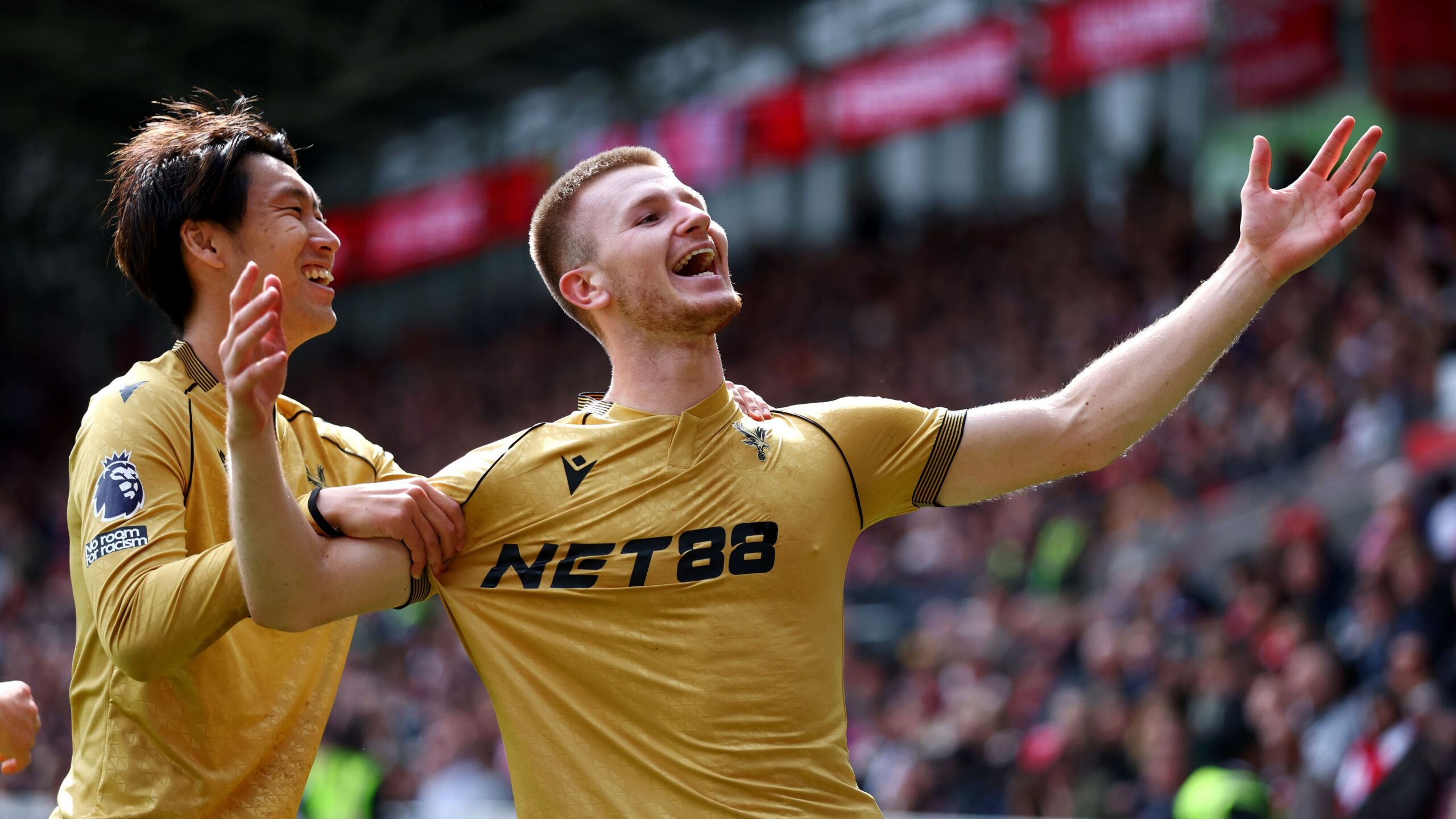
Adam Wharton’s exclusion from England’s latest World Cup squad discussions feels like a missed opportunity to recognize a modern midfielder’s evolution. His game is a masterclass in controlled aggression: calculated risks, sudden changes of pace, incisive passes into tight spaces, and dribbles under pressure. He’s not the sterile, possession-obsessed metronome some claim to idolize; every action is designed to hurt the opponent.
Yet, behind this flair lies remarkable discipline. Wharton doesn’t just accelerate transitions—he orchestrates them. His statistics reflect this duality: elite progressive passing, key contributions to xG creation, and an ability to dictate play without resorting to reckless risks. He slows the game when needed, then strikes with precision when opportunities arise.
Against a team like Rayo Vallecano, whose strength lies in transitional chaos, Wharton’s ability to disrupt defensive structures could be pivotal. Rayo’s aggressive pressing thrives when momentum is on their side, but their instability creates gaps—and Wharton is the player who exploits them. His presence in the build-up of Palace’s most dangerous attacks highlights his role as the architect of their vertical play, particularly in half-spaces and the edges of the box.
Can Rayo Vallecano exploit Palace’s set-piece weaknesses?
If Rayo Vallecano is to overcome Crystal Palace’s individual superiority, they may need to turn to an unlikely source: defensive set pieces. Palace ranks among the worst teams in the league when it comes to conceding danger from restarts, particularly on the right side. Their issues aren’t just about frequency; it’s the quality of the chances they allow that’s alarming.
Opponents don’t just recycle possession after Palace’s goal kicks—they systematically create high-danger situations in central zones. The data is stark: shots conceded from defensive set pieces often result in central attempts with an xG exceeding 0.31 per shot. Whether from the left or right flank, the pattern is the same: second balls and chaotic sequences lead to concentrated danger around the penalty box and six-yard area.Rayo Vallecano may not be a traditional set-piece threat, built on aerial dominance or rehearsed routines. But their strength lies in transitional intensity and collective momentum. By overloading central zones and pressuring Palace’s first and second balls, they could manufacture the decisive moment in what promises to be a tightly contested final.
Conclusion: a final defined by chaos or control
This isn’t a classic underdog story. It’s a clash between two philosophies: one defined by fluid transitions and technical mastery, the other by relentless pressure and emotional volatility. Crystal Palace may boast superior individual talent and physicality, but Rayo Vallecano thrives in unpredictability. Their ability to drag Palace into chaotic sequences could neutralize the Eagles’ strengths.
Ultimately, this final could be decided by the smallest margins—a Wharton assist, a Palace counter, a Rayo pressing trap, or a set-piece second ball. The beauty of European finals lies in their unpredictability, and this one promises to be no different. Regardless of the outcome, it will be a testament to two managers pushing their tactical visions to the limit in pursuit of glory.