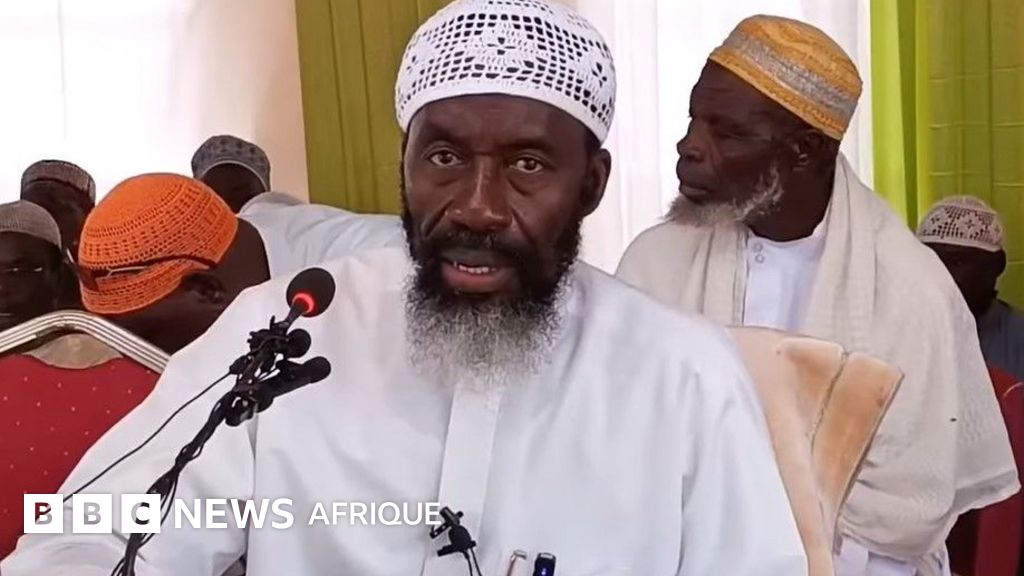
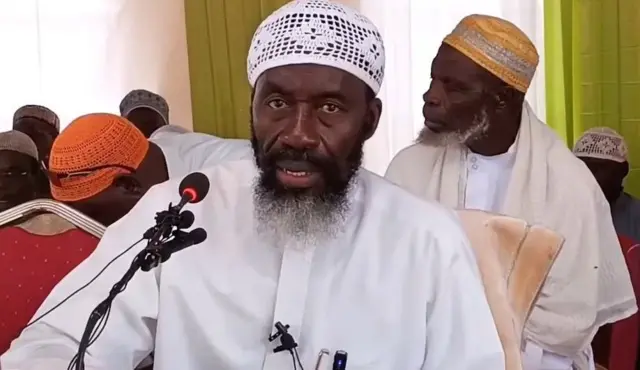
A high-profile religious figure in Burkina Faso has become the center of a national debate following his abrupt detention. Imam Mohamad Ishaq Kindo, a prominent Sunni preacher and president of the country’s Sunni Oulema Association, was taken into custody in Ouagadougou on Tuesday, May 26, by masked security operatives including police and military personnel. His whereabouts remain undisclosed, sparking widespread concern and public outcry.
What triggered the arrest?
The detention occurred just two days after Imam Kindo publicly criticized a recently enacted religious freedoms bill. The legislation, passed by the government on March 19, aims to regulate religious practices in Burkina Faso, citing concerns over online extremism, hate speech, and the proliferation of unauthorized places of worship. In a widely circulated video, the imam warned authorities to “reflect deeply on the consequences of their actions” before restricting religious freedoms.
The Federation of Islamic Associations of Burkina Faso (FAIB) issued a statement shortly after the arrest, confirming that no official explanation had been provided regarding the circumstances of the detention. The organization stated it was pursuing all necessary legal channels to obtain clarity and ensure a fair resolution for the detained religious leader.
Violent confrontation and public reaction
Witnesses described the arrest as forceful and chaotic. According to a close associate present during the incident, security forces—comprising both police and hooded soldiers—moved in around 2 p.m. local time, the day before Eid al-Adha. The operation sparked immediate resistance from nearby worshippers, leading to a tense standoff. Several civilians were injured in the confrontation, further escalating tensions within the Muslim community.
In response, hundreds of believers took to the streets of Ouagadougou the same evening, demanding the imam’s immediate release. Authorities responded by dispersing the protest with tear gas, according to a resident who spoke with local media. The FAIB called for calm, urging followers to remain composed and avoid escalation.
No official statement from authorities
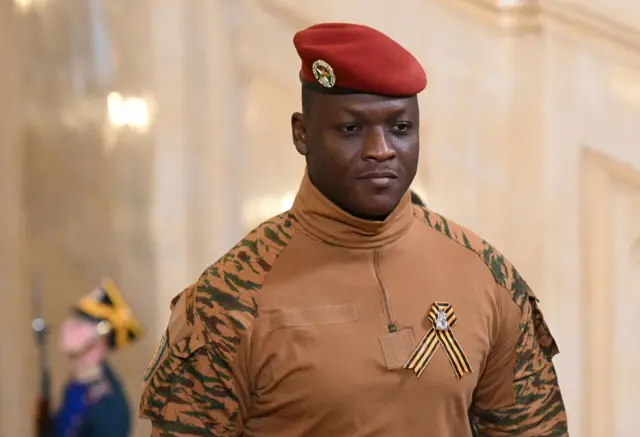
As of Wednesday, the government has remained silent on the matter. The silence follows public remarks made by Burkina Faso’s President Ibrahim Traoré on the occasion of Eid al-Adha. In a social media post, he praised security forces for their ongoing fight against jihadist groups but warned any attempt to undermine national stability would face severe consequences. The message was interpreted by many as a veiled reference to recent dissenting voices, including that of the detained imam.
Understanding the controversial religious freedoms law
The law, adopted by the Council of Ministers on March 19, seeks to regulate religious expression across Burkina Faso. Its stated goals include curbing online radicalization, hate speech, and unauthorized construction of religious buildings in public spaces. While authorities insist the law aims to strengthen national cohesion, critics argue it imposes unnecessary restrictions on religious practice.
Under the new legislation, the construction of places of worship within public institutions—such as government offices, schools, and administrative buildings—is prohibited, with limited exceptions for hospitals, prisons, and military facilities. Authorities clarify that public prayer remains permitted in open spaces, provided it respects the beliefs of others.
Mariem Sanogo, Director General of Religious, Customary, and Traditional Affairs, defended the law, stating it was updated in response to rising extremism and online incitement. She emphasized the government’s commitment to secularism and equal treatment of all faiths, while acknowledging the challenges posed by digital radicalization.
Context: Burkina Faso under military rule
The arrest of Imam Kindo comes amid growing political repression since the military takeover in 2022. The current administration, led by Captain Ibrahim Traoré, has justified its crackdown on dissent as necessary to combat a decade-long insurgency by armed groups linked to extremist ideologies. Critics, however, warn that the suppression of critical voices—religious or otherwise—could further destabilize the country and deepen social divisions.
As the nation reflects on this latest development, the absence of transparency and official communication continues to fuel uncertainty and mistrust within civil society.