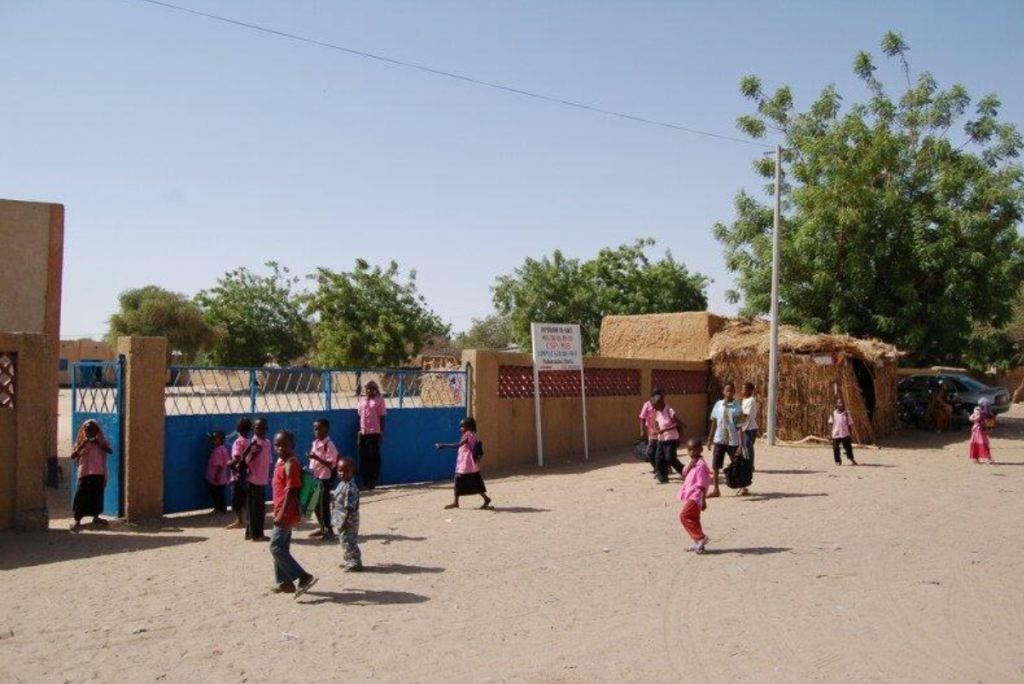
Diffa’s schools have now resumed classes for every community in the region, marking a decisive shift in Niger’s approach to education access. This long-awaited decision comes after controversial restrictions that disproportionately impacted certain groups, reigniting debates over fundamental rights and state accountability.
Beyond the classroom: a critical moment for Niger’s education system
The reopening of all schools in Diffa—without exclusion based on origin or community affiliation—signals a new chapter for Niger’s education sector. It follows administrative measures earlier this year that raised serious concerns about discrimination and the arbitrary restriction of essential services.
Reports of school closures, teacher reassignments, and limited access to basic services like water points and civil registry services underlined the fragility of the region’s social fabric. Now, with policies reversed, the focus shifts to ensuring these changes translate into tangible improvements for students and families.
Security vs. rights: where is the balance in Diffa?
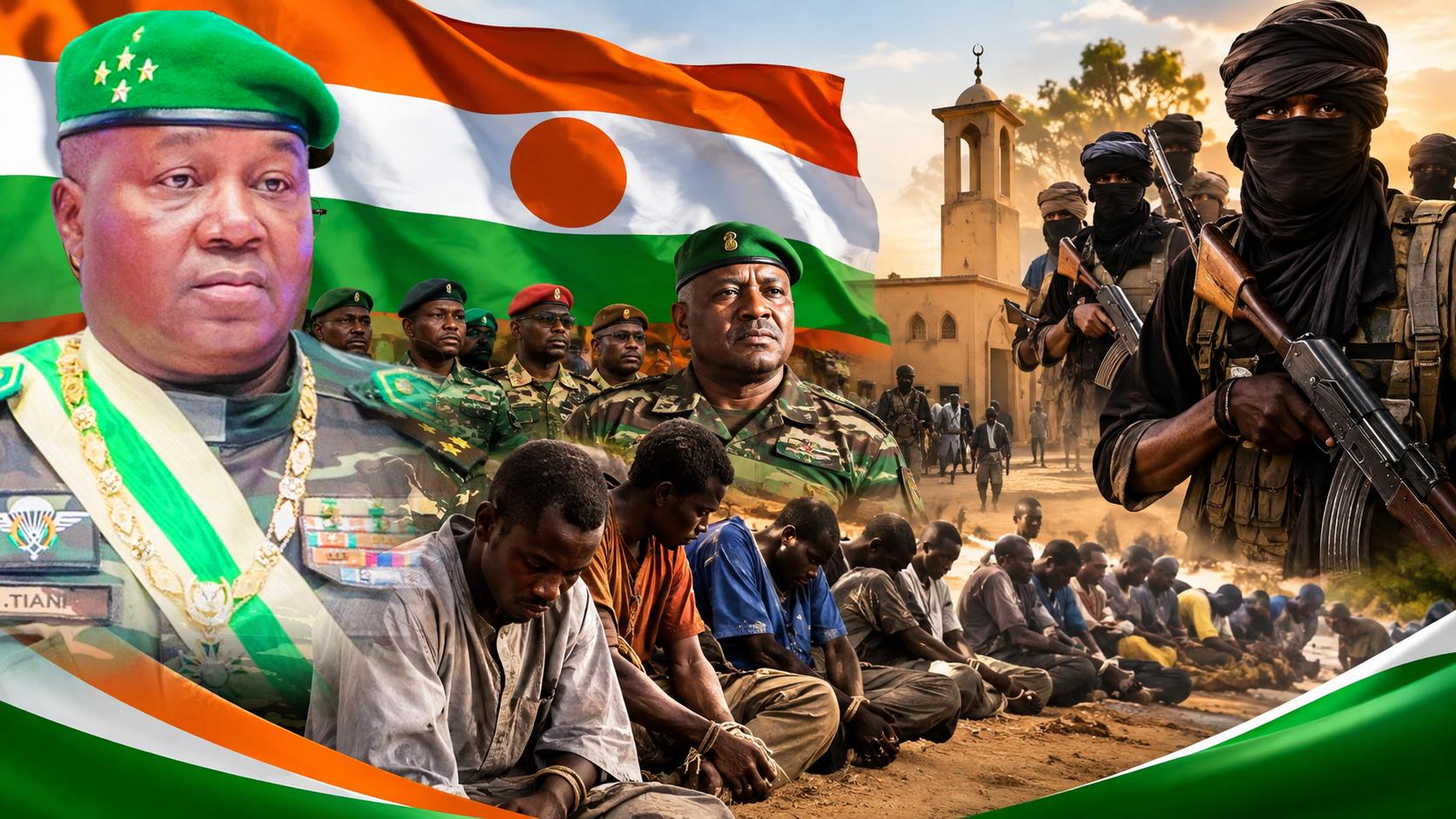
Diffa’s ongoing security challenges—driven by armed group activities near the Lake Chad basin—have long forced difficult trade-offs between safety and rights. Authorities point to the need to protect teachers, students, and infrastructure as justification for past restrictions, particularly in high-risk zones.
However, recent measures appeared to extend beyond security concerns, targeting specific groups under administrative pretexts. This raises pressing questions: When does an action justified by security become a violation of individual rights? And how can the state reconcile protection with fairness, avoiding collective punishments that harm the most vulnerable—especially children?
Breaking down the restrictions: what was at stake?
- School closures: An estimated 15% of schools in Diffa faced temporary shutdowns, delaying education for hundreds of children.
- Teacher reassignment: Some educators were moved from their posts under unclear criteria, disrupting classroom stability.
- Service limitations: Access to water and civil documents was reportedly restricted in certain areas, compounding daily hardships for families.
Voices from Diffa: the human cost of exclusion
Families in Diffa have borne the brunt of these restrictions. For parents, the closure of a school isn’t just an administrative inconvenience—it is a denial of their children’s right to learn. The risk of collective punishment, where entire communities face penalties regardless of individual circumstances, has sparked widespread concern across the region.
Children, already grappling with displacement and poverty, now face an even greater threat: the loss of a safe, structured environment where they can grow and develop. International agreements, including the Convention on the Rights of the Child, reinforce Niger’s obligation to protect these rights. Yet, implementation remains inconsistent, leaving many to question whether the state’s actions align with its legal commitments.
From policy to practice: what happens next in Diffa?
The announcement of school reopenings is a critical first step, but lasting change requires more than words. For Diffa’s 500,000+ residents—including over 200,000 internally displaced persons—the path forward must prioritize:
- Stability: Immediate efforts to rehire reassigned teachers and restore full-time instruction in reopened schools.
- Access: Ensuring no child is turned away due to community affiliation, with transparent enrollment policies.
- Support services: Rehabilitating damaged infrastructure and guaranteeing water, healthcare, and civil documentation access.
Without these safeguards, the reopening may become just another false promise in a region where promises have too often gone unfulfilled.
Education as a bridge to national unity
Diffa’s schools are more than places of learning—they are pillars of social cohesion. By keeping them open to all, Niger has the chance to signal a commitment to equality under the law. But this opportunity must be seized with action, not just announcements.
Will Diffa’s leaders build on this momentum to foster trust with local communities? Or will old patterns of exclusion and distrust persist? The answers will shape not only the education system but also the long-term stability of the region.
One thing is clear: for Niger to move forward, its children must be able to attend school without fear. Anything less than that would betray the very principles the reopening claims to uphold.