The turning point in a prolonged crisis
After nearly two years of uncertainty and fear, a critical breakthrough has emerged in the Sahel. Two European nationals—Eva Gretzmacher from Austria and Claudia Abbt from Switzerland—have been released following more than 18 months in captivity. Their liberation marks a significant shift in negotiations that have tested the limits of regional security and diplomacy.
The women were transferred to Benghazi, in eastern Libya, where they are expected to be repatriated to their home countries. This development offers a glimmer of hope amidst the persistent threats of kidnapping across the Sahel, particularly in Niger, where foreign nationals remain at elevated risk.
How Agadez became a flashpoint for abductions
Both women were abducted in Agadez, a city at the heart of Niger’s northern border region. Its strategic location—connecting trans-Saharan trade routes and migration flows—has made it a prime target for armed groups operating in the area.
Eva Gretzmacher was taken in January 2025, followed by Claudia Abbt in April of the same year. Their cases highlighted the growing boldness of kidnappers, who were able to strike in an urban center once considered relatively stable. While reports have suggested possible connections to armed factions like the Islamic State in the Sahel, the true identity of their captors remains unconfirmed.
The extended duration of their captivity underscores the challenges of securing hostage releases in a region where militant groups exploit weak governance and poorly controlled borders. Years of instability have created safe havens for abductions, making negotiations a perilous and protracted process.
Libya’s pivotal role in the hostage release
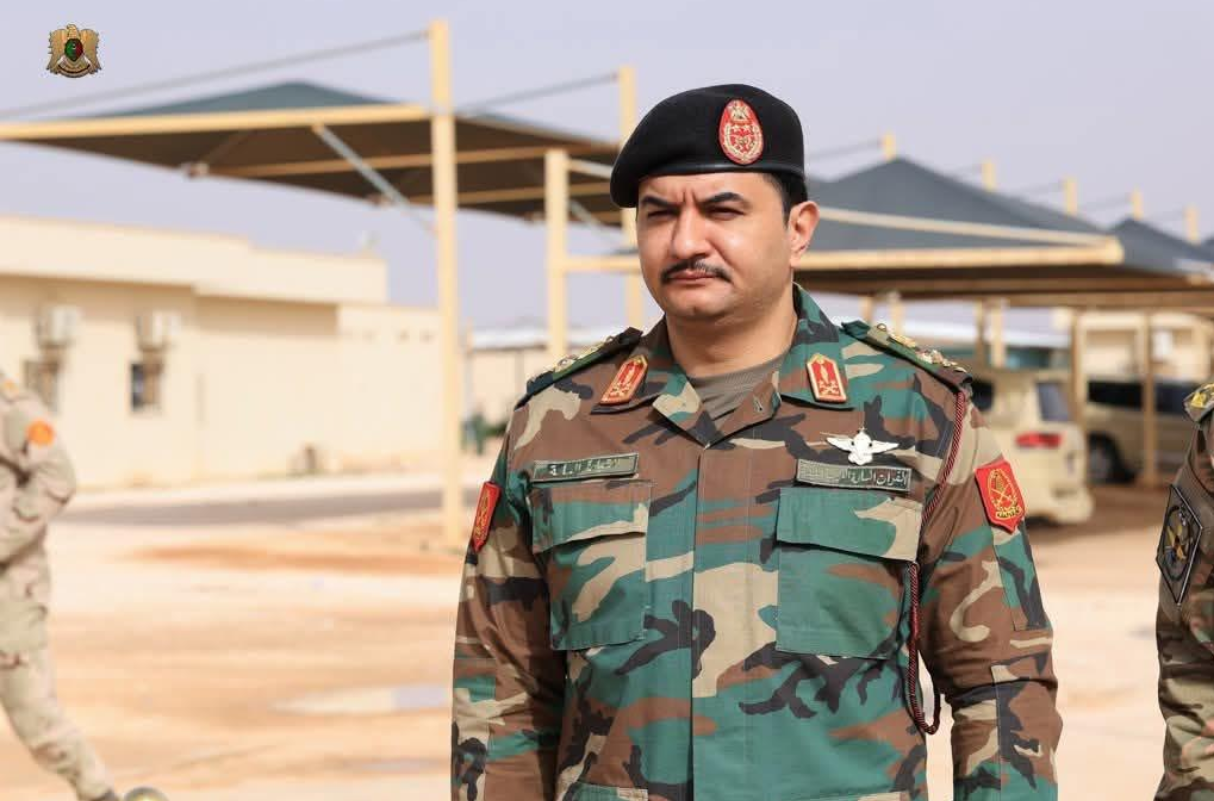
The role of eastern Libya, particularly the influence of Field Marshal Khalifa Haftar, has come under scrutiny. Both women were brought to Benghazi, a stronghold of Haftar’s forces, raising questions about his potential involvement in the mediation efforts.
Unofficial reports indicate that intermediaries connected to Haftar’s network may have played a role in facilitating the release. The exact terms of the negotiations remain undisclosed, leaving analysts to speculate about the concessions—financial, political, or otherwise—that may have been involved.
This case exemplifies the growing importance of cross-border networks in conflict resolution. Despite Libya’s deep political divisions, its role as a transit hub for militants and negotiators alike makes it a key player in regional mediation efforts.
Niger’s enduring security challenges
The release of Gretzmacher and Abbt offers temporary relief, but it does little to address the underlying crisis plaguing Niger. The country remains a hotspot for jihadist violence, particularly along its borders and in remote northern regions like Agadez.
Agadez’s vast, sparsely monitored desert expanses create significant challenges for security forces. The ability of militant groups to move freely, combined with logistical constraints and frequent attacks, has made it increasingly difficult to protect civilians and foreign visitors.
International travel warnings reflect this reality. Major Western governments have issued stark advisories, urging their citizens to avoid all travel to Niger due to the high risk of kidnapping and terrorism. These warnings are not merely bureaucratic measures—they underscore the persistent danger faced by foreigners in the region.
What comes next?
The immediate priority is ensuring the safe return of Gretzmacher and Abbt to their families and the subsequent support they will need after such a harrowing ordeal. Their arrival in Benghazi represents a critical step forward, though the final stages of repatriation remain to be completed.
Yet, lingering questions persist: Who were the true captors? How were the negotiations conducted? Was this a direct intervention by Libyan authorities, and if so, under what conditions?
Without detailed official responses, definitive answers are elusive. One fact remains clear: hostage releases in the Sahel often hinge on complex, behind-the-scenes negotiations. For Gretzmacher and Abbt, captivity has ended. For the region, the fight to prevent future abductions and strengthen security continues.