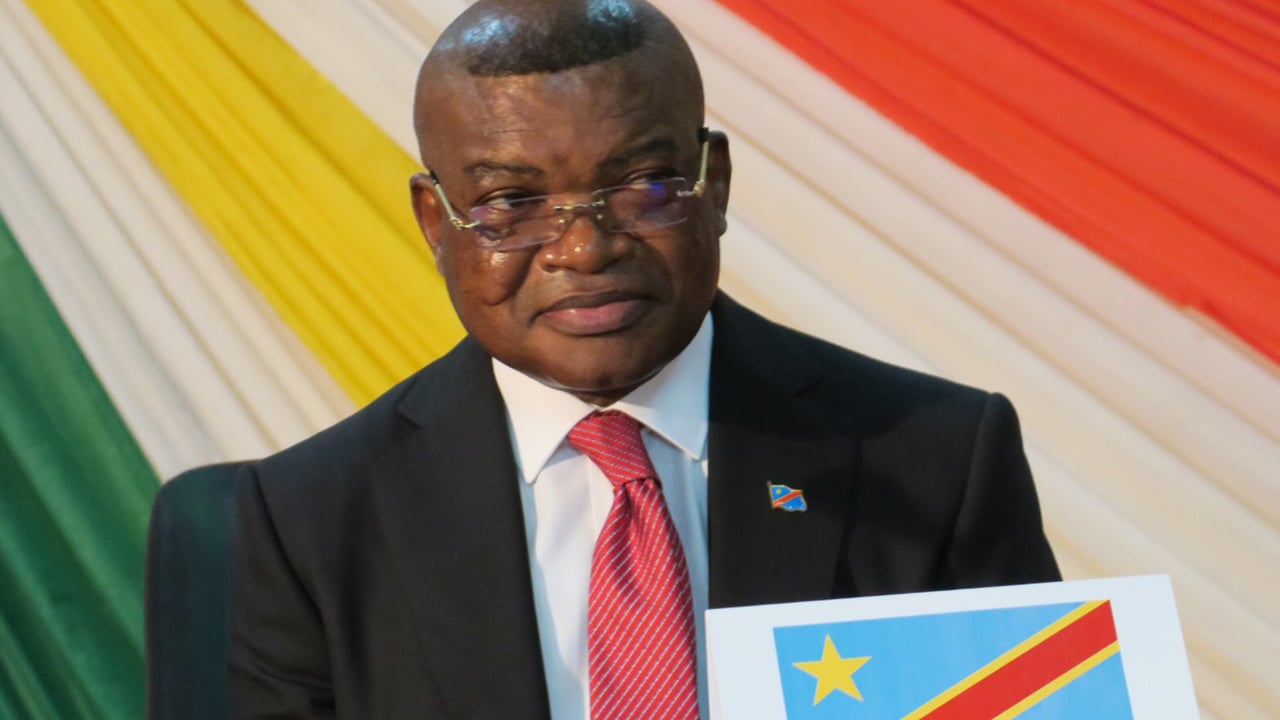
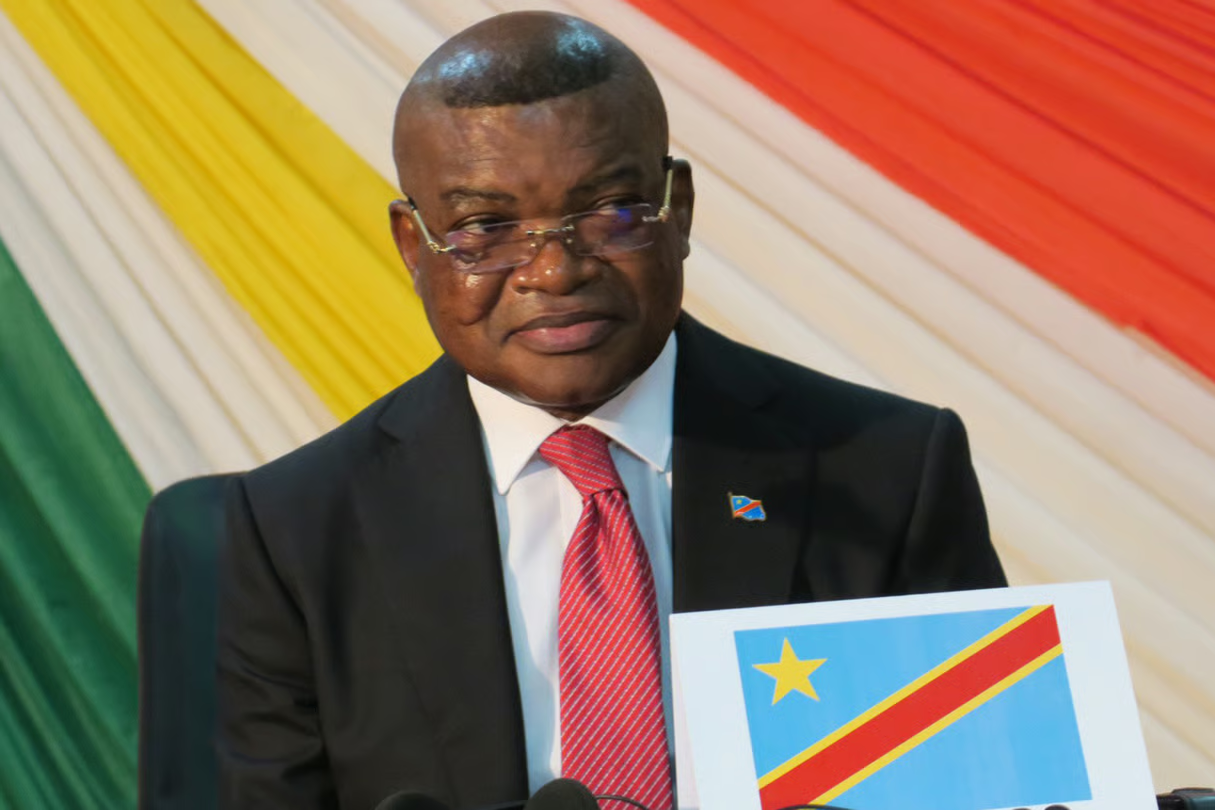
Kinshasa, DR Congo – Kalev Mutond, the former head of the Democratic Republic of Congo’s civilian intelligence agency, has died at the age of 59. His death marks a pivotal moment for Congo’s security apparatus and raises immediate questions about the future of the country’s intelligence services.
The legacy of a hardline intelligence figure
Mutond, who led the Agence Nationale de Renseignements (ANR) under President Joseph Kabila from 2013 to 2018, was a controversial yet influential figure in Congo’s political landscape. Known for his firm grip on intelligence operations, he played a central role during a period of heightened political tension, including the 2016–2018 electoral crisis.
His tenure was marked by both strategic intelligence successes and allegations of human rights abuses. Critics accuse him of using his position to suppress opposition voices, while supporters argue he was instrumental in maintaining stability during turbulent times.
Sudden loss leaves security sector in flux
The circumstances surrounding Mutond’s death remain unverified at this time. However, his passing comes at a delicate juncture for Congo’s intelligence community, which is already navigating internal restructuring and external pressures.
DR Congo’s President Félix Tshisekedi has yet to publicly address the situation or announce plans for replacing Mutond. The ANR’s leadership vacuum could influence the trajectory of Congo’s security policies, especially as regional instability shows no signs of easing.
What lies ahead for DR Congo’s intelligence apparatus?
The death of a figure as central as Mutond raises critical questions about succession and reform within Congo’s civilian intelligence framework. Will his departure accelerate shifts in intelligence strategy, or will the system revert to established patterns of operation?
Several key considerations emerge:
- Leadership transition: The ANR must quickly appoint a successor who can navigate both domestic and international expectations.
- Policy continuity: Will Mutond’s policies remain intact, or will new leadership introduce strategic changes?
- Public perception: How will citizens and opposition groups respond to the leadership change, particularly in light of ongoing governance challenges?
- Regional impact: Could this shift in intelligence leadership affect DR Congo’s regional security partnerships amid ongoing crises in neighboring countries?
Public and political reactions unfold
News of Mutond’s death has already begun to ripple through Kinshasa’s political circles. While some stakeholders express concern over potential power vacuums, others see an opportunity for much-needed reform in Congo’s intelligence sector.
Opposition figures have called for greater transparency, urging the government to clarify the circumstances of Mutond’s death and ensure accountability. Meanwhile, members of the ruling party emphasize the need to maintain continuity in national security operations.
Tributes and reflections on a complex figure
Mutond’s life and career have sparked mixed reactions across the political spectrum. Some remember him as a key architect of Congo’s intelligence infrastructure, while others associate his tenure with repression and systemic challenges.
In Goma, where Mutond was once a prominent presence, local leaders reflect on his dual role as both a feared authority and a stabilizing force during periods of unrest.
Next steps: uncertainty and opportunity
As the DR Congo government processes this loss, the road ahead remains uncertain. The coming weeks will be crucial in determining whether Mutond’s death serves as a turning point for the ANR—or whether the agency will continue operating under its established norms.
One thing is clear: Congo’s intelligence landscape will not remain the same. The question now is how this transition will reshape the country’s security apparatus in the months and years to come.