Congress shifts gears: a decisive break for Trump’s foreign policy
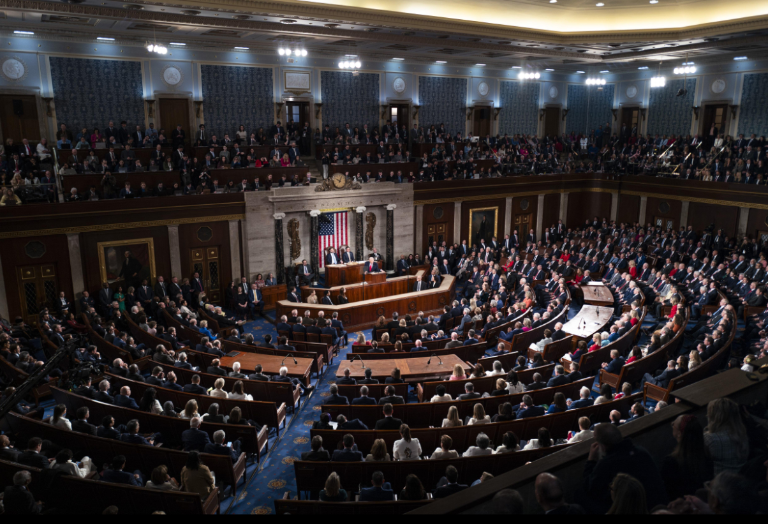
The 2026 US midterm elections delivered a seismic shift, handing Democrats control of both chambers of Congress. For Donald Trump, this outcome marks a turning point—one that threatens to derail his foreign policy ambitions just as he enters the final stretch of his second term. From the halls of Capitol Hill to the negotiation tables of global diplomacy, the ripple effects of this electoral earthquake are already being felt.
From mandate to stalemate: how Congress could curb presidential power
Under the previous Republican-led Congress, Trump’s agenda sailed through unchallenged. But with Democrats now holding the purse strings and investigative tools, the president faces a new reality: a legislature ready to scrutinize, block, and redirect his initiatives. Budget approvals, ambassadorial confirmations, and oversight hearings are no longer guaranteed—a reality that could stall his global strategy in its tracks.
The president retains key executive powers, including command over military operations and veto authority. Yet the delicate balance of US governance is now under scrutiny. Every foreign policy move Trump makes will face closer congressional scrutiny, turning what was once a straightforward path into a minefield of political and legislative obstacles.
Iran conflict: the tipping point that exposed Trump’s vulnerability
The unchecked escalation in Iran became a flashpoint in these elections. The military intervention launched in early 2026, authorized without prior congressional approval, fueled public backlash and provided Democrats with a rallying cry. Now, they’re positioned to challenge the administration’s funding, demand transparency, and potentially rein in its military ventures.
While Congress lacks the power to unilaterally halt an ongoing operation, it can starve it of resources—or expose its cost to the American public. The question now looms: can Trump sustain his Iran strategy without congressional backing, or will the stalemate force a rethink?
Transatlantic relations: Europe’s cautious optimism after the midterms
For European allies, the Democratic victory is a signal of relief. Trump’s unpredictable foreign policy—marked by strained alliances and shifting commitments—has left many in the EU seeking stability. The new Congress could revive support for Ukraine, push for stronger NATO coordination, and restore predictability to transatlantic ties.
Yet optimism remains tempered. Trump still holds the reins on defense and diplomacy. His ability to veto or bypass congressional will means Europe may gain allies in Congress, but not necessarily predictability in its relationship with Washington.
Trade wars and economic leverage: Democrats target tariffs and tensions
Trump’s trade policy has been a double-edged sword: effective in bullying partners but costly at home. Congressional Democrats are expected to push back, demanding oversight on tariff impacts, supply chain disruptions, and retaliatory measures. They may seek to claw back some executive authority, reining in the president’s ability to impose unilateral economic penalties.
The challenge? Trump’s trade decisions often bypass traditional legislative channels, leaving Congress with limited tools to reverse course. Any shift toward normalization will hinge on whether Democrats can force negotiation or transparency—something Trump’s administration has historically resisted.
A fractured superpower: what global leadership looks like now
The midterms have laid bare a stark truth: America remains a global leader, but its influence is now hostage to internal divisions. Allies and adversaries alike are watching closely as Washington struggles to reconcile its domestic fractures with its international responsibilities.
For Trump, the path forward is treacherous. His signature assertive foreign policy now faces a legislature with the power to dilute, delay, or dismantle it. The world still looks to America for stability—but the question is no longer whether Trump can lead, but whether the United States can lead at all, given the fractures in its political system.
As the 2028 presidential race looms, one thing is clear: these midterms weren’t just a referendum on Trump’s first two years. They were a declaration that America’s global strategy can no longer be dictated by the Oval Office alone.
Key takeaways for a world watching Washington
- The 2026 midterms have handed Democrats a powerful tool to shape—and potentially block—Trump’s foreign policy.
- Military ventures, like the Iran intervention, now face increased congressional scrutiny and potential funding cuts.
- Europe may find a more predictable partner in Congress, but Trump’s executive power keeps the old uncertainties alive.
- Trade policy could inch toward accountability, but only if Democrats successfully challenge Trump’s unilateral approach.
- The US remains a superpower—but its global leadership is now in question as never before.