The corridors of the United Nations headquarters in New York are buzzing with tension as a diplomatic gamble takes shape. Behind the scenes, Iran has just played its most audacious hand yet—one that could either defuse a ticking economic time bomb or ignite a broader crisis. The stakes? The Strait of Hormuz, a 33-kilometer-wide chokepoint through which nearly one-fifth of the world’s oil flows daily.
What the Iranian proposal really means for global markets
The surprise move came from Iran’s foreign minister, Abbas Araghchi, who announced that Tehran had delivered a formal offer to the United States—one that outlines a seven-day deadline for reopening the strait, provided certain demands are met. But this isn’t a simple ceasefire. It’s a calculated negotiation tactic, designed to leverage Iran’s control over a vital shipping artery to secure concessions on sanctions, military presence, and regional security.
The proposal was handed directly to U.S. envoy Steve Witkoff, signaling that the ball is now in Washington’s court. While the full terms remain undisclosed, Araghchi made it clear that Iran expects immediate concessions in return: an end to targeted strikes on its infrastructure, a partial easing of economic sanctions, and binding guarantees regarding the withdrawal of Western naval forces from the Gulf.
Why the clock is ticking for the global economy
The timing of Iran’s offer couldn’t be more critical. With the strait partially blocked, the ripple effects are already catastrophic:
- Skyrocketing energy prices: The Brent crude benchmark has surged past alarming thresholds as traders brace for a prolonged supply disruption. Market analysts warn of a potential oil shock reminiscent of the 1970s crises.
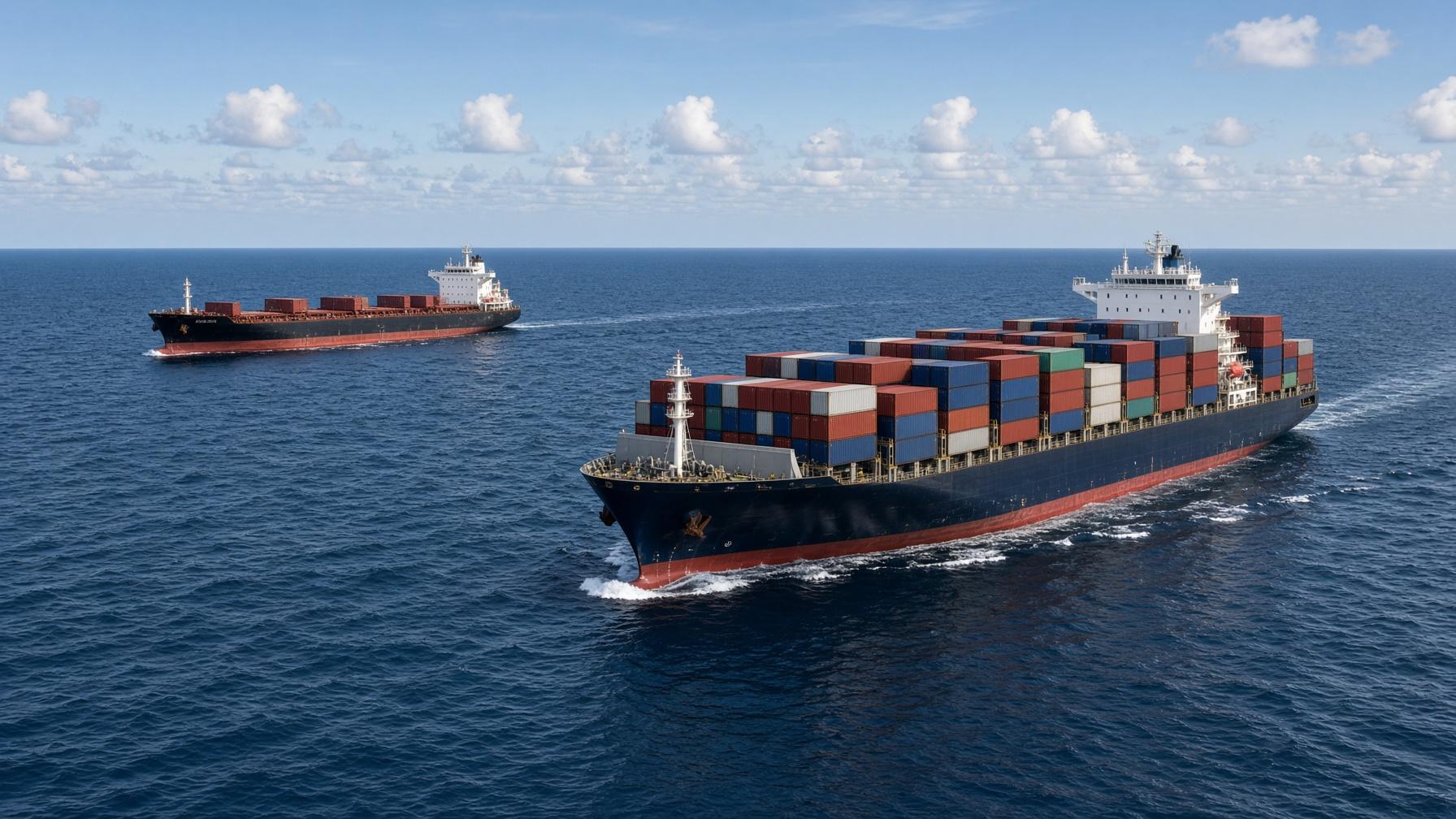
- Soaring shipping costs: Insurance premiums for vessels transiting the Gulf have skyrocketed, and some insurers are outright refusing coverage for oil tankers. The alternative? A costly detour around the Cape of Good Hope, adding weeks to voyages and draining global shipping capacity.
- Inflationary pressures: Rising fuel and freight costs are already trickling down to consumer prices, threatening to stoke fresh waves of inflation in Europe and Asia. The fear of fuel shortages at the pump looms large.
The economic fallout isn’t just theoretical. Supply chains are straining under the weight of delayed shipments, and energy-dependent industries are bracing for another shock. For countries like Japan, South Korea, and China—the top importers of Gulf oil—the disruption is an immediate threat to their industrial output and economic stability.
The dilemma facing Washington: accept or escalate?
The U.S. administration now faces a high-stakes choice. Rejecting Iran’s proposal could mean prolonging an energy crisis that risks destabilizing both the American and global economies, all while undercutting U.S. credibility in the region. But accepting Tehran’s demands within seven days could embolden its regional allies and reinforce perceptions of U.S. concessions under pressure.
Publicly, Washington has remained silent on the specifics of the plan. However, the silence speaks volumes—indicating that the administration is weighing the risks of inaction against the political fallout of capitulation. Meanwhile, international observers, particularly from Asia, are urging both sides to strike a deal before the economic damage becomes irreversible.
What happens next? The race against the seven-day deadline
The next seven days could determine whether this standoff leads to a diplomatic breakthrough or spirals into a prolonged conflict. Iran has framed its offer as a lifeline—not just for global oil markets, but for its own economic survival. The message is clear: the strait’s reopening isn’t just about maritime traffic. It’s about leverage, survival, and the ever-shifting balance of power in the Gulf.
For now, the world watches as diplomats huddle in New York, hoping that the seven-day countdown ends with a compromise rather than another escalation. The alternative—a prolonged blockade—could plunge the planet into an economic abyss from which recovery would be painfully slow.