Why Washington’s long-standing sanctions against General Olenga finally collapsed
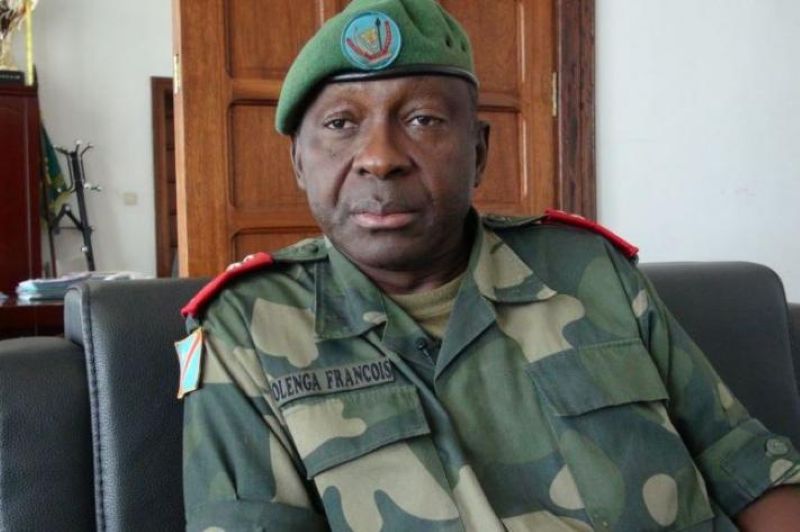
The decision by the US Treasury’s Office of Foreign Assets Control (OFAC) to remove retired four-star General François Olenga from its sanctions list after nine years marks more than just a formal policy shift—it reveals deep flaws in the American sanction mechanism itself. The reversal, announced on September 23, 2026, was not a sudden diplomatic concession, but the culmination of years of legal pressure, procedural errors, and a growing recognition within Washington’s corridors of power that the case lacked substantive justification.
The move lifts both the travel ban imposed on General Olenga and the financial restrictions that had frozen his assets and blocked business dealings with US entities. Most notably, the prestigious Safari Beach resort in N’sele—once a symbol of targeted economic punishment—can now reopen to American patrons without restriction.
“This decision closes a chapter that should never have begun,” stated a statement from Olenga’s defense team, led by Brussels-based international lawyer Aimé Kilolo Musamba. “Nine years of relentless legal battles, multiple trips to Washington, and a mountain of evidence showing the absence of any grounds for these sanctions have come full circle. It is time for justice to be served—not just for General Olenga, but as a lesson for others facing similar injustices.”
From 2017 blacklisting to 2026 reversal: how the case unraveled
General Olenga was added to the OFAC sanctions list in June 2017, during his tenure as head of the Republican Guard under President Joseph Kabila. The official justification cited “obstruction of democratic processes” and alleged “political repression,” including harassment of opposition figures, arbitrary arrests, and interference with UN observers in the Democratic Republic of Congo (DRC).
Yet, despite these sweeping accusations, no concrete evidence was ever produced to support them in court. The sanctions effectively froze Olenga out of the global financial system and barred him from travel to the United States—restrictions that extended to his business ventures, including Safari Beach, a major tourist destination near Kinshasa.
Cracks in the case began to appear over time. As international scrutiny grew and diplomatic channels opened, flaws in the original narrative became impossible to ignore. Key witnesses failed to corroborate the allegations, and internal US government reviews questioned the proportionality of the measures. By 2025, momentum had shifted in favor of reconsideration—sparked not by sudden sympathy for Olenga, but by a growing acknowledgment among US lawmakers and officials that sanctions had been used with insufficient rigor and oversight.
The lawyer’s campaign: a rare African voice at the heart of Washington’s power
Aimé Kilolo Musamba, General Olenga’s Belgian-based legal representative, became the driving force behind the reversal. His strategy combined relentless legal advocacy, persistent lobbying in Washington, and a public campaign highlighting the absence of evidence linking Olenga to the alleged crimes.
In a widely circulated statement, Kilolo emphasized the broader implications of the case: “This victory belongs to every African who believes their voice can be heard, even in the most powerful halls of justice. It proves that competence, persistence, and clarity can challenge the most entrenched systems of power.”
Kilolo also urged the DRC government to use this precedent to strengthen its own legal sovereignty. He called for the creation of a national legislative framework that would allow Congolese institutions to impose targeted sanctions based on credible evidence—without having to rely solely on foreign powers.
“Sovereignty isn’t just about waving a flag or passing laws. It’s about having the tools to defend your people and your institutions using your own rules. The DRC must stop outsourcing its justice to Washington or Brussels. It’s time to take control.”
What changes now: a new chapter for Olenga and the DRC
With sanctions lifted, General Olenga regains full access to international financial systems. His assets—previously frozen—can now be unfrozen, and his businesses, including Safari Beach, are free to operate without restrictions. Diplomatically, the move signals a softening in US-DRC relations, though it remains unclear whether this reversal will lead to broader shifts in American policy toward Kinshasa.
Economically, the release of sanctions could breathe new life into the DRC’s tourism sector, particularly in peripheral areas like N’sele, where Safari Beach is located. For Olenga personally, it marks the end of a long ordeal—but one that leaves lingering questions about due process and the misuse of sanctions as political tools.
As one analyst noted, “This case exposes a dangerous trend: sanctions are too often used not as a last resort, but as a first response—without sufficient evidence, legal scrutiny, or diplomatic foresight. When such measures are reversed years later, it doesn’t just hurt the individual. It erodes trust in the system itself.”
What comes next for US sanctions policy?
The reversal sends a strong signal to policymakers in Washington: the era of indiscriminate or politically motivated sanctions may be waning. As calls for accountability and evidence-based policy grow louder, cases like Olenga’s could set a precedent for future reviews of sanctions lists—especially those involving African or Global South figures.
For the DRC, the decision offers a rare moment of reflection. It challenges the nation to rethink its own role in global justice—moving from passive recipient of foreign sanctions to active architect of its legal sovereignty.