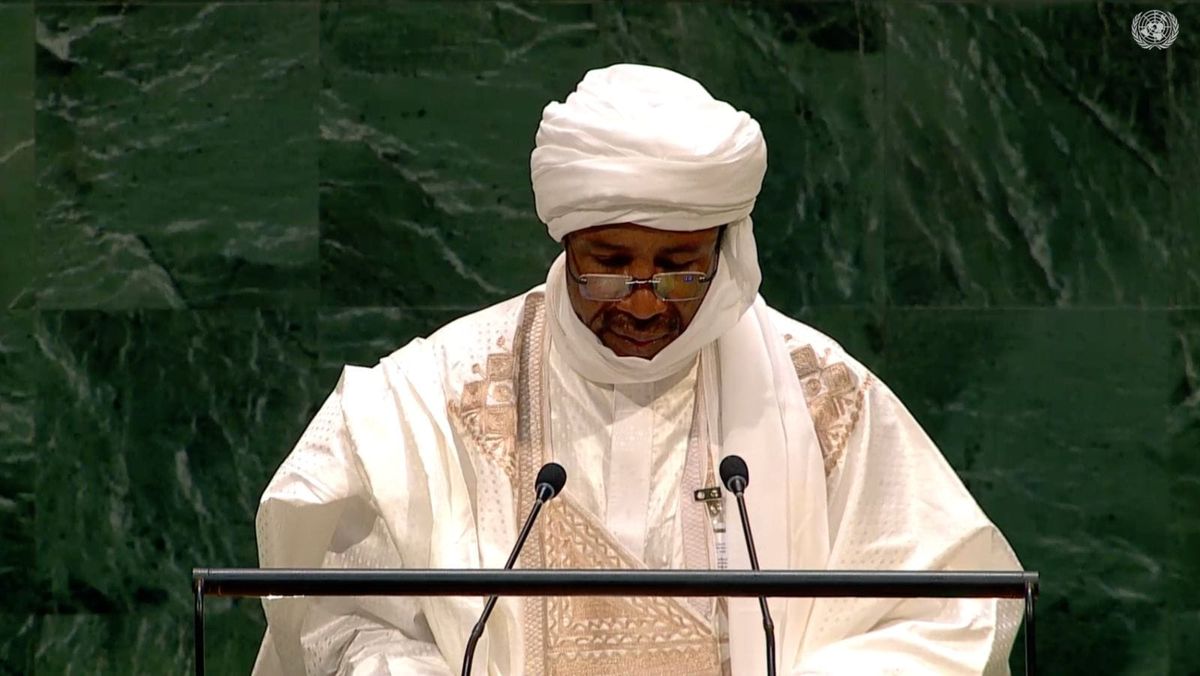
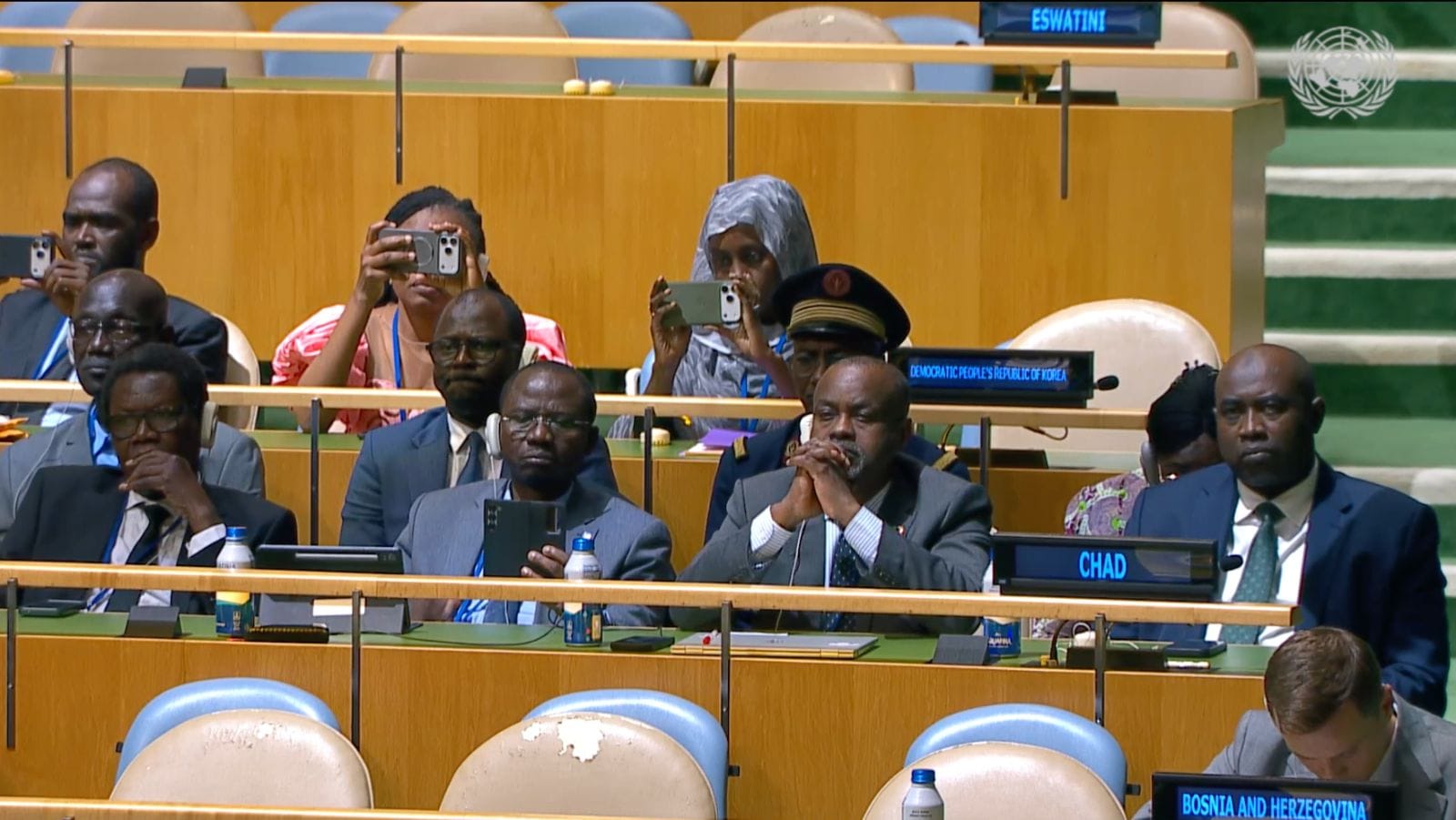
The Chadian delegation’s address at the 81st UN General Assembly did more than declare its stance—it laid bare the unseen tensions driving N’Djamena’s unusually forceful reaction to the recent aerial incursions in Ennedi-Est. Behind the diplomatic language, the message carried a rare blend of frustration and resolve, signaling a potential shift in Chad’s traditionally cautious foreign policy.
The hidden cost of regional instability
The Chadian delegation, led by Health Minister Dr. Abdelmadjid Abdelrahim Mahamat, framed the country’s intervention at the UN not just as a response to foreign aggression, but as a culmination of years of unmet regional security promises. While Chad has long positioned itself as a stabilizing force in the Sahel, its officials now argue that persistent instability—particularly the uncontrolled spillover from neighboring conflicts—has pushed the nation to a breaking point. The statement highlighted Chad’s contribution to over a dozen peacekeeping missions, including the deployment of 1,500 troops in Haiti, as evidence of its commitment to global security. Yet, this contribution, officials stressed, has been met with little in return from the international community when Chad’s own borders are violated.
Economic and humanitarian pressures fueling Chad’s firm stance
Beyond the diplomatic rhetoric, Chad’s UN speech revealed the heavy humanitarian and economic burdens that have shaped its uncharacteristically strong response. With more than two million displaced persons—over a million of them Sudanese refugees fleeing since April 2023—N’Djamena is straining under the weight of its humanitarian commitments. The government’s condemnation of the Ennedi-Est airstrikes was not merely symbolic; it was a calculated move to draw attention to the direct link between regional instability and the country’s domestic crises. Officials warned that unchecked violations of Chad’s territorial integrity could exacerbate these pressures, potentially destabilizing an already fragile socio-economic landscape.
The Ennedi-Est strikes: a turning point for Chad’s sovereignty narrative
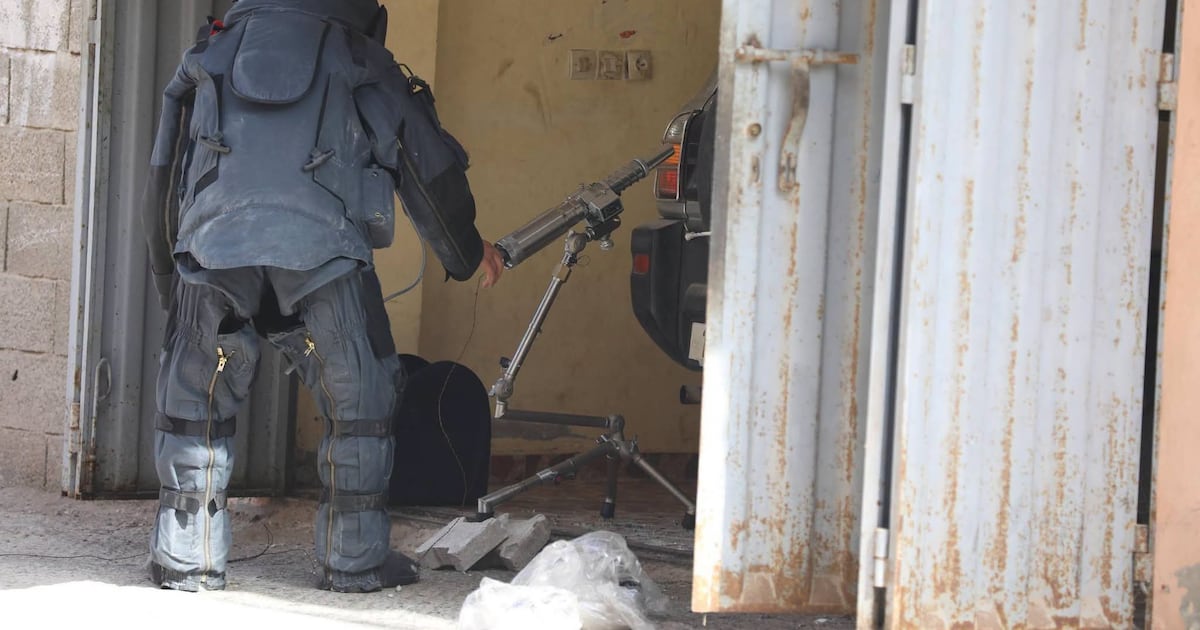
The aerial incursions in Ennedi-Est were not the first to target Chad, but they were the first to prompt such a direct and public condemnation at the highest international forum. By framing the strikes as a violation of its sovereignty, Chad is signaling a new chapter in its foreign policy—not just a rejection of aggression, but a declaration that its patience has limits. The government’s warning of a potential military response in case of further incursions reflects a growing frustration with the international community’s slow response to previous violations. This shift in tone underscores a deeper truth: Chad’s traditionally neutral and diplomatic approach is evolving into a more assertive stance, driven by the urgent need to protect its national interests.
Chad’s broader diplomatic agenda: from regional security to global reform
While the Ennedi-Est airstrikes dominated global headlines, Chad’s UN address also tackled a range of international issues, from condemning aggression against sovereign states to reaffirming its support for a two-state solution in the Middle East. Yet, the most striking aspect of the speech was Chad’s call for a fundamental overhaul of multilateralism. The delegation argued that the current system, which often leaves African nations like Chad to bear the brunt of regional crises without adequate support, is no longer sustainable. This plea for reform is not just a diplomatic maneuver—it reflects a deeper desire for equity and accountability in global governance.
What’s next? Chad’s strategic calculus behind the firm tone
The question now is whether Chad’s bold UN speech will translate into tangible action. The government’s decision to publicly condemn the Ennedi-Est airstrikes and reserve the right to respond militarily is a high-stakes gamble—one that could either deter further violations or escalate tensions. Analysts suggest that Chad’s move may be an attempt to force the international community to take its security concerns more seriously. With the country’s stability increasingly tied to regional dynamics, the coming months will reveal whether N’Djamena’s firm stance at the UN was a strategic masterstroke or a risky gamble.
One thing is clear: Chad is no longer content to play the role of a passive bystander in its own regional security. The UN speech delivered a powerful message—not just to foreign governments, but to the Chadian people—that their country is ready to defend its sovereignty and interests with renewed vigor.