
Summarize
Cameroon’s shifting political landscape
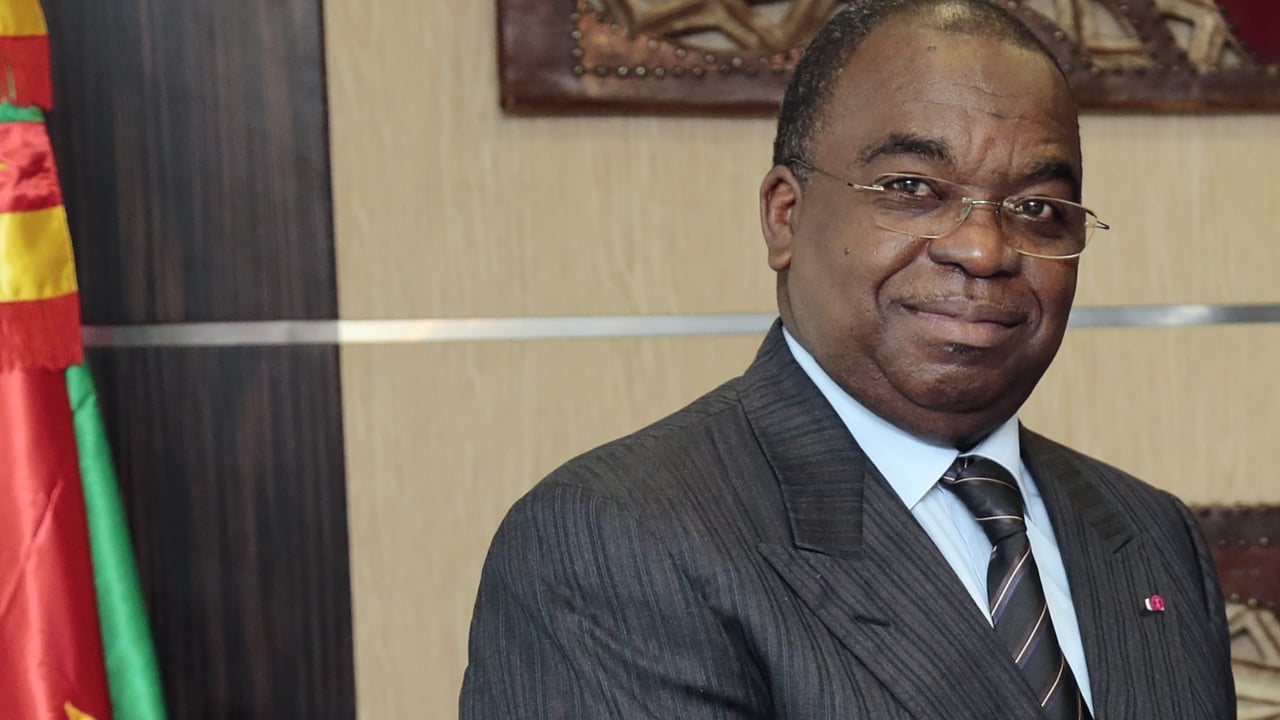
With Cameroon’s political scene evolving rapidly, the race for the vice presidency has intensified. Among the names circulating in influential circles, Louis-Paul Motaze, the country’s Finance Minister, has emerged as a key player. His manoeuvres suggest a strategic bid to secure a prominent position within the administration led by Paul Biya.
Motaze’s ambitions are no secret in Yaoundé’s corridors of power. Over recent months, he has quietly cultivated support among political allies and economic stakeholders, positioning himself as a bridge between Cameroon’s financial sector and its leadership. Insiders note that his campaign, though subtle, is gaining traction among those advocating for continuity in governance.
A strategic move in uncertain times
The timing of Motaze’s push couldn’t be more critical. Cameroon faces pressing economic challenges, including inflation and debt sustainability concerns. As the government navigates these hurdles, the vice presidency could serve as a platform to consolidate reforms and steer the nation toward stability. Motaze’s background in finance makes him a logical candidate to address these pressing issues.
His potential appointment would also signal a generational shift within the ruling elite. While Paul Biya, Cameroon’s long-serving president, remains at the helm, discussions about succession are quietly underway. Figures like Motaze represent a younger, technocratic generation eager to modernize the country’s economic policies.
Reactions and implications
The prospect of Motaze ascending to the vice presidency has sparked varied reactions. Supporters argue that his expertise in economic management could revitalize Cameroon’s growth trajectory. Critics, however, question whether his appointment would merely extend the status quo or introduce meaningful change.
Meanwhile, Ferdinand Ngoh Ngoh, Cameroon’s Secretary-General of the Presidency, and Franck Biya, the president’s son, remain prominent figures in these discussions. Their roles in shaping the vice-presidential race add layers of complexity to an already intricate political puzzle.
What’s next for Cameroon?
As Cameroon’s political elite assess their options, the coming months will be decisive. Whether Motaze secures the vice presidency or another candidate emerges remains uncertain. What is clear, however, is that the stakes couldn’t be higher for a nation at a crossroads between tradition and transformation.