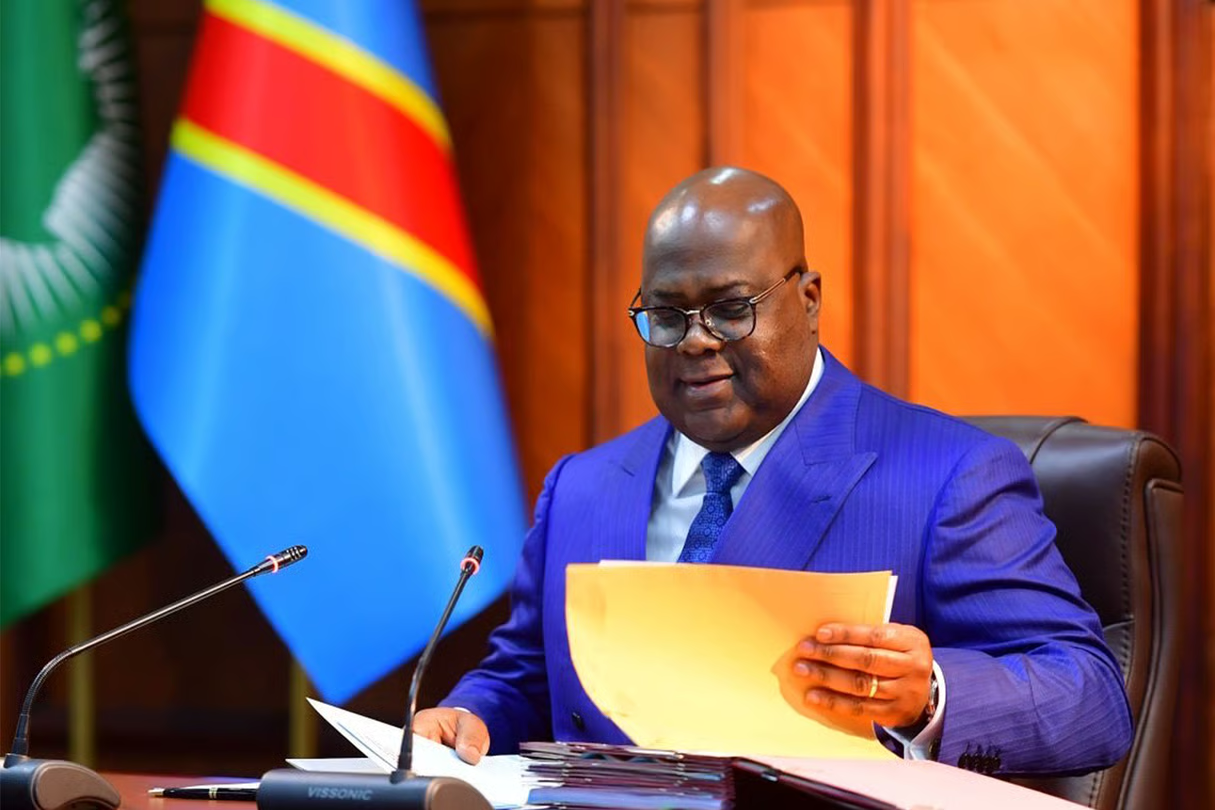
Signs of political thaw in the Democratic Republic of the Congo
The political landscape in the Democratic Republic of the Congo (DRC) is showing early indications of easing tensions, raising hopes for an upcoming national dialogue. Observers note subtle shifts in rhetoric and policy that suggest a willingness to engage in broader consultations.
Context and recent developments
The DRC has faced prolonged political and social challenges, with calls for inclusive dialogue growing louder in recent months. The current climate reflects a cautious optimism, as stakeholders from various backgrounds begin to express openness to negotiation.
Key players and their roles
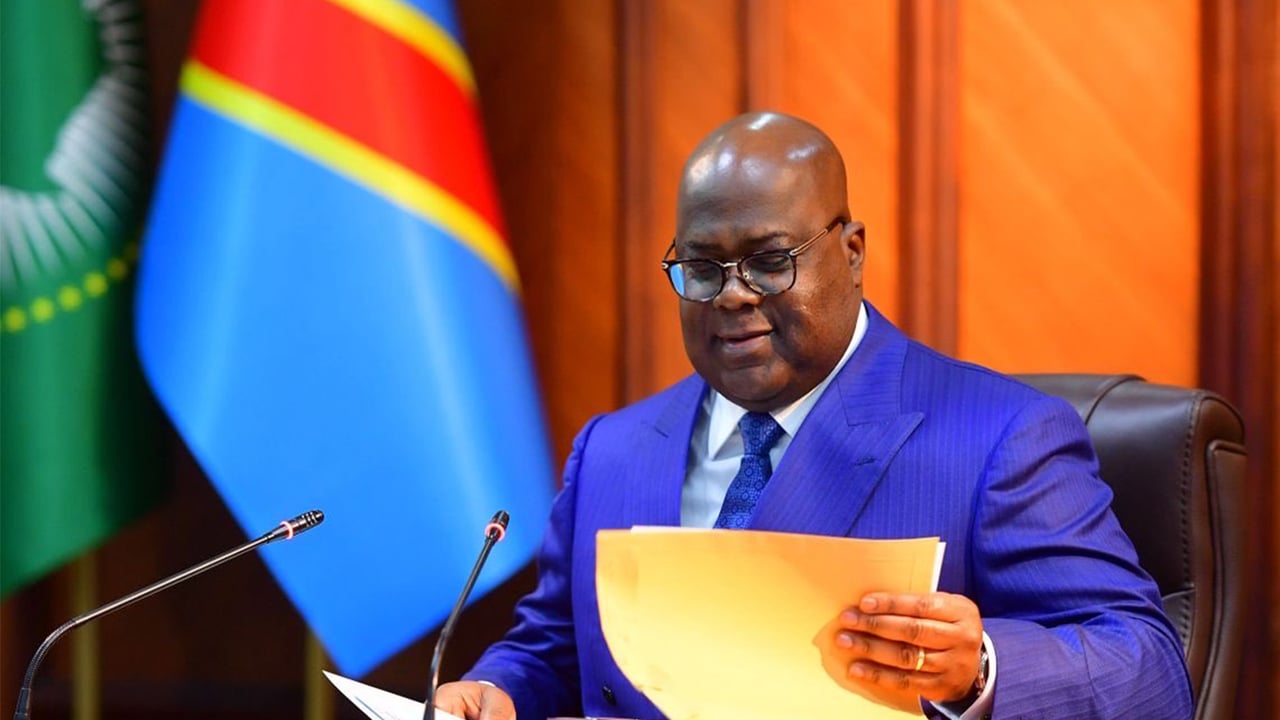
The initiative appears to be gaining momentum, with Félix Tshisekedi, the President of the DRC, at the center of discussions. His recent statements have been interpreted as signals of a more conciliatory approach toward opposition figures and civil society leaders.
Analysts suggest that this shift could pave the way for meaningful conversations about governance, security, and economic reforms. The potential for a national dialogue to address deep-rooted issues is now being seriously considered.
Challenges ahead
Despite the promising signs, significant obstacles remain. Divisions within political circles and skepticism among the public could hinder progress. The success of any dialogue will depend on the ability of all parties to commit to constructive engagement.
The coming weeks will be critical in determining whether these early signals of easing tensions will translate into tangible steps toward national reconciliation.