The tipping point: Niger faces fuel shortages despite refining capacity
The arrival of 53 tanker trucks from Algeria carrying 1.65 million liters of fuel to Niger’s SONIDEP depot in Agadez was celebrated with fanfare—tambourines, trumpets, and official speeches. Yet this spectacle masks a critical reality: Niger, a nation with operational refineries producing millions of liters of gasoline annually, now relies on foreign fuel deliveries to meet domestic demand. How did a country once producing surplus refined products slip into this dependency?
From surplus to scarcity: the disappearing excess in Niger’s fuel supply
Official data from Zinder’s SORAZ refinery reveals a stark shift. In 2023, the plant produced 365.95 million liters of gasoline, with 328.25 million liters delivered to SONIDEP. The remaining 37.69 million liters were exported as surplus. By 2024, production dropped slightly to 345.34 million liters, yet the entire output was allocated to SONIDEP, eliminating exportable surplus. The trend continued into early 2025, with production and deliveries perfectly aligned at 56.88 million liters.
This erosion of surplus coincides with SORAZ’s late 2024 announcement that gasoline and LPG were now fully reserved for domestic consumption, while diesel continued to be exported. While diesel exports persist, the absence of gasoline and LPG reserves raises urgent questions about Niger’s strategic fuel stockpiles.
Financial mismanagement: the debt crisis behind Niger’s fuel shortage
SONIDEP, responsible for fuel distribution, faces severe financial strain. Publicly cited debts exceed 418 billion CFA francs—a figure that, if confirmed, underscores systemic failures in revenue collection, stock management, and financial transparency. How can a company handling hundreds of millions of liters of fuel accumulate such debt? Are sales fully collected? Are receivables from distributors managed effectively? Without audited financial reports, the answers remain elusive.
Rumors persist of strategic stock sales to generate quick cash, potentially compromising maintenance reserves and long-term refining capacity. If true, such actions could destabilize Niger’s energy infrastructure, leaving the nation vulnerable to disruptions.
Broken supply chains: the collapse of informal fuel markets
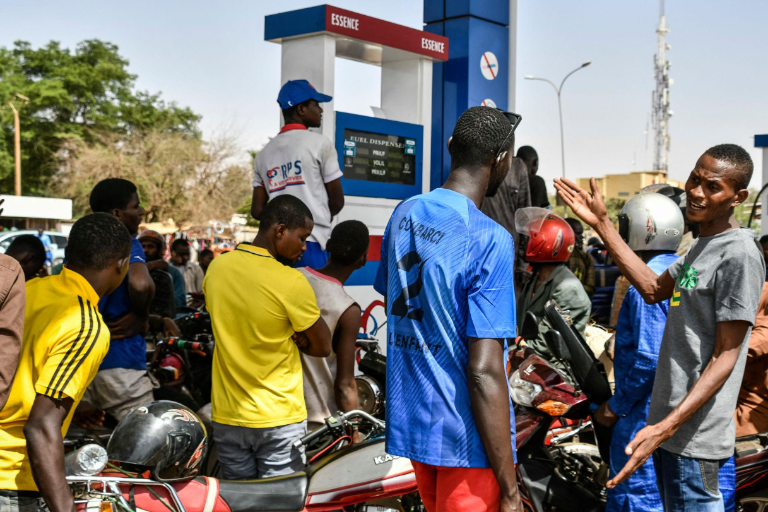
Niger’s fuel shortages are also tied to the decline of Nigeria’s informal fuel trade. For years, smuggled gasoline from Nigeria met a significant portion of Niger’s demand. However, Nigeria’s subsidy removal increased costs, while strengthened border controls reduced smuggling. By March 2025, SONIDEP reported receiving only 25 tankers from SORAZ daily—half of national demand—blaming reduced illegal imports from Nigeria for the shortfall. The absence of alternative supply mechanisms has exposed critical gaps in Niger’s formal fuel logistics.
Algeria as a band-aid solution: a flawed pillar of energy security
The Algerian fuel convoys offer temporary relief but do not address structural flaws. Niger’s government banned gasoline and diesel exports in October 2026 to prioritize domestic supply, yet the root causes—financial mismanagement, depleted reserves, and inadequate infrastructure—remain unaddressed.
The contrast is stark: while Niger diverted resources to support Mali with fuel convoys during its blockade crisis, its own domestic reserves faced unprecedented strain. Official sanctions against transporters who refused these missions underscore the government’s prioritization of regional solidarity over national energy security. When algiers’ tankers arrived in Agadez, they were met with celebration; meanwhile, Niger’s own logistics were stretched thin by competing demands.
Transparency and accountability: the missing pillars of Niger’s energy strategy
Niger’s fuel crisis demands an independent audit of the entire petroleum supply chain—from SORAZ’s production to SONIDEP’s distribution, and every financial transaction in between. Key questions must be answered:
- Where did the surplus from previous years disappear to?
- What is the current level of strategic reserves?
- Why did gasoline deficits surge from 47.25 million liters in 2024 to 196.62 million liters in the first eight months of 2026?
- What are SONIDEP’s exact financial liabilities?
- Are funds allocated for SORAZ’s major maintenance accessible?
- What terms governed Algeria’s fuel deliveries, and what economic costs did they incur?
Sovereignty in energy is not merely about producing oil—it’s about ensuring reliable access to fuel for citizens. Niger’s current crisis reveals a troubling imbalance between production capacity, national consumption, and reserve management. Until these issues are resolved with transparency and accountability, the arrival of foreign tankers—no matter how celebrated—will only highlight the nation’s energy governance failures.