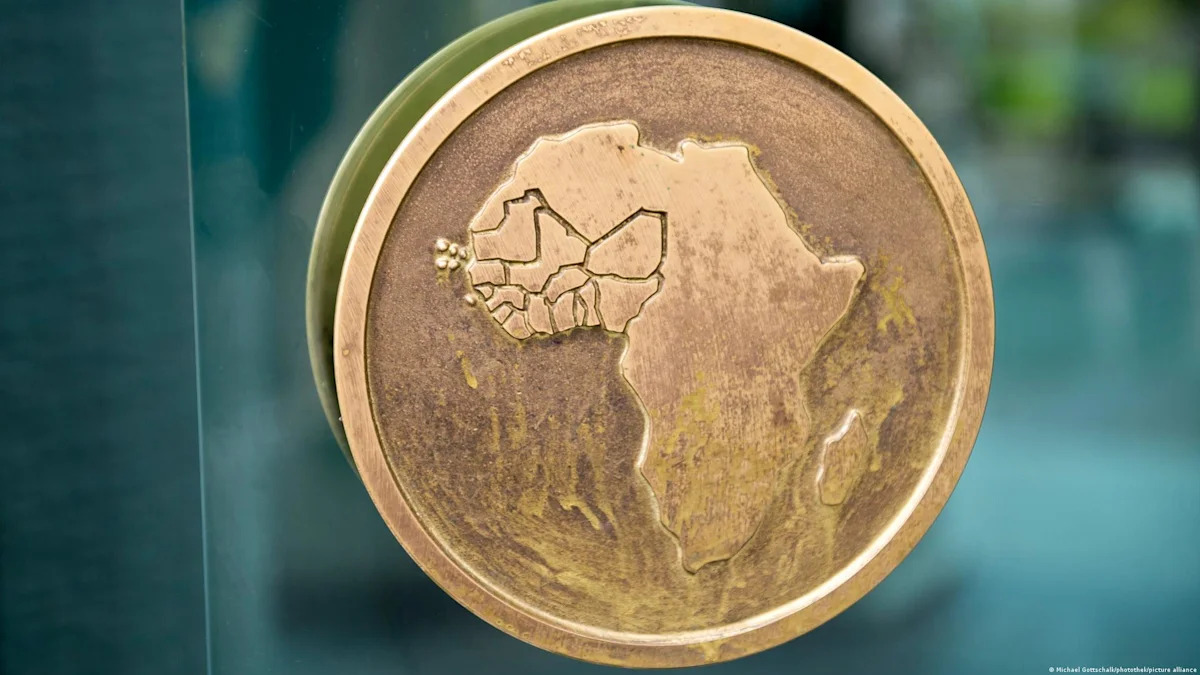
Cédéao summit in Freetown amid AES countries absence
The 69th Economic Community of West African States (Cédéao) summit convenes today in Freetown, Sierra Leone, at a pivotal moment for the regional bloc. The gathering, however, unfolds without three key members—the Niger, Mali, and Burkina Faso—which have since formed their own alliance, the Alliance of Sahel States (AES). While the absence of these nations casts a long shadow, security challenges and institutional reform remain at the heart of discussions.
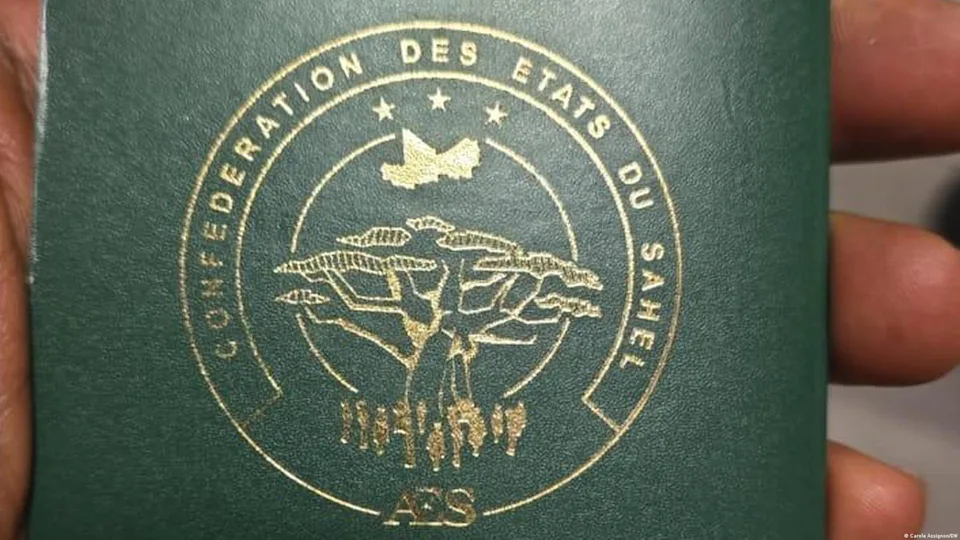
A future without Mali, Niger, Burkina Faso?
Beyond symbolism, West African leaders face a critical question: how to redefine the future of Cédéao after the withdrawal of Mali, Burkina Faso, and Niger, now part of the Sahel States Confederation. Though these nations have exited the bloc, their geographic proximity demands continued engagement.
Leaders are expected to explore avenues for dialogue to sustain trade, ensure free movement of people, and bolster cross-border security cooperation—especially against a backdrop of rising terrorism. The threat transcends national borders, making regional coordination more urgent than ever.
According to Aliou Diakite, a Cédéao policy analyst, “the focus must shift to long-term governance and security challenges plaguing West Africa today. Organized crime linked to terrorism, political transitions following elections, climate change impacts, epidemics, and pandemics are pressing issues demanding urgent attention from heads of state and government as they chart the bloc’s future.”
Standby force remains stalled
Several pressing regional concerns persist across summits, including the long-awaited operationalization of the Cédéao Standby Force. Proposed years ago, this rapid-response mechanism is designed to tackle terrorism, political crises, and regional instability.
Pre-summit meetings held in Freetown this week reflect growing impatience among member states to accelerate its deployment. Michel Ange Bangoura, Guinea’s Cédéao cooperation coordinator, underscores the urgency: “Institutional frameworks for the force are already in place—what’s missing is political will and resource mobilization. Each country must contribute at least one company, and a host nation must be selected without delay.”
When pressed on a potential deployment timeline, Bangoura remains cautiously optimistic: “Discussions during this session will likely fast-track the force’s activation. Even a symbolic deployment in a designated country would mark significant progress.”
The summit will also address institutional reforms within Cédéao, aiming to restore the organization’s credibility after years of political turbulence and coups across the region.
Related Posts
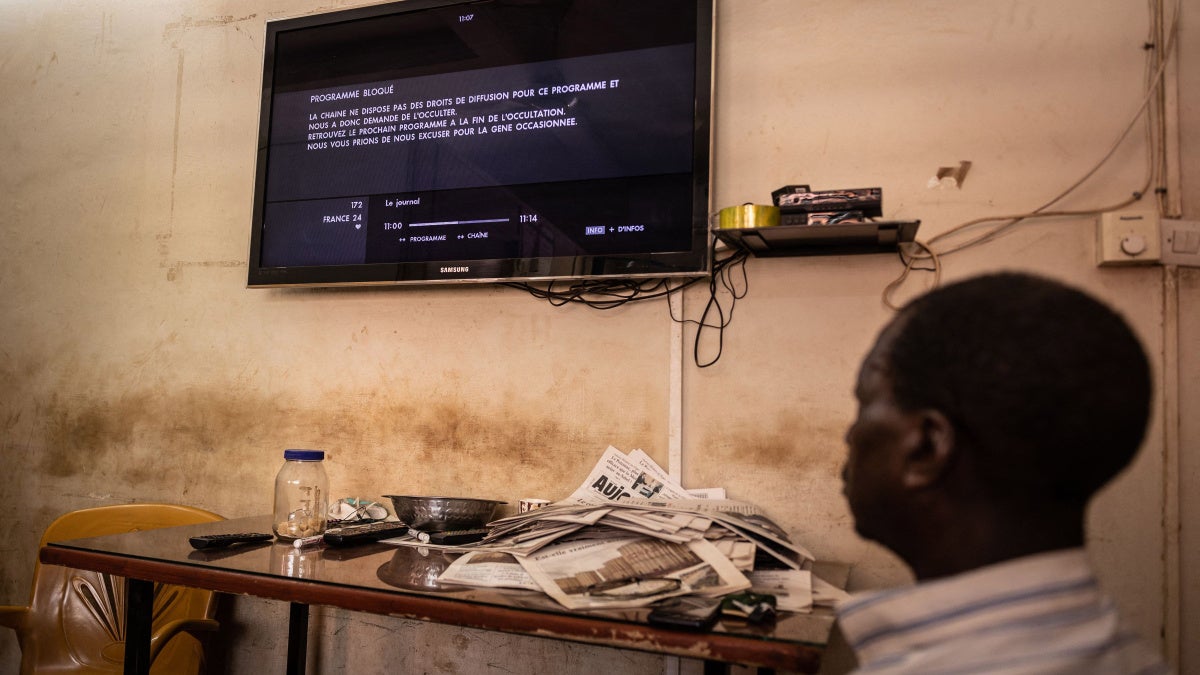
Burkina Faso’s military government expels french journalists, deepening media freedom concerns
Click to expand Image A television displays the cut signal of France 24, hours after Burkina Faso’s military government suspended the channel, March 27, 2023. […]
RDC-Israël : un rapprochement aux enjeux multiples
Politique RDC-Israël : un rapprochement aux enjeux multiples Emmanuel Kuzamba 04/09/20264 septembre 2026 Le choix de la RDC d’installer une ambassade à Jérusalem est un […]

Dakar court postpones Sonko signature forgery verdict to 2026
In a significant development concerning the alleged falsification of former Prime Minister Ousmane Sonko’s signature, the Dakar Criminal Court has deferred the final judgment to […]