Chad’s governance crisis: how chaos replaces lasting solutions
Losing lives over a water source in the 21st century isn’t destiny—it’s the direct outcome of deliberate institutional collapse.
For three and a half decades, the script has remained unchanged. The settings shift, the faces of self-proclaimed saviors cycle from father to son, yet the blood spilled daily retains one unchanging hue: the color of systemic failure. Here, intercommunal clashes aren’t resolved—they’re orchestrated. The roar of presidential convoys and the choking dust clouds that engulf villages take precedence over the silent work of an impartial judiciary. This is not governance; it’s theater.
Staged interventions, hollow outcomes
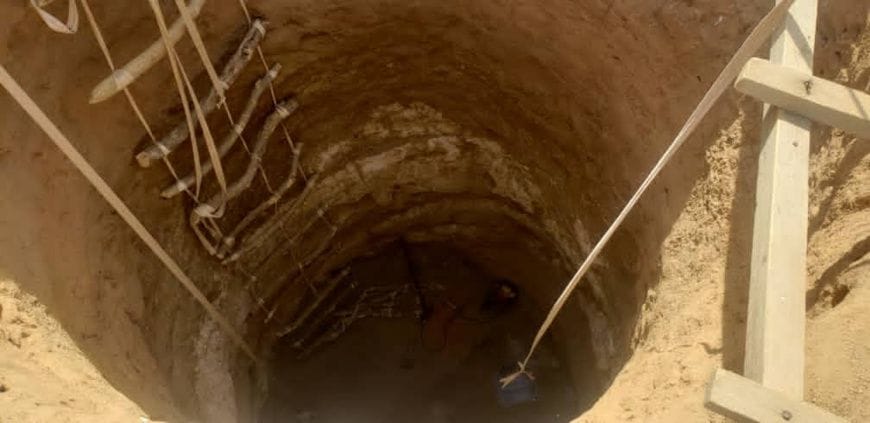
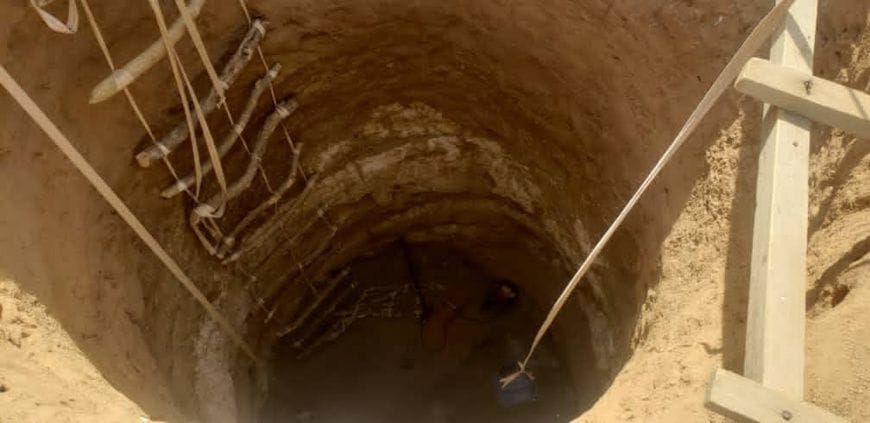
When disputes erupt over water access or grazing lands, the government’s response follows a predictable choreography. High-profile delegations arrive, mediations unfold with great fanfare, and paternalistic speeches fill the air. Yet what persists once the dust settles? Nothing. The irony is stark. The budget allocated to a single presidential visit or a flashy peacekeeping mission could fund thousands of modern wells, converting scarce resources into shared assets. But building lasting infrastructure means relinquishing the savior narrative. The state thrives on dependency, not progress.
Eviscerated institutions, justice on life support
Elsewhere, leaders remain in capital cities not out of disdain for local grievances, but because their nations function. In Chad, however, politics has systematically dismantled the justice system. An empowered judiciary poses the gravest threat to regimes built on arbitrariness. By denying courts the autonomy to adjudicate disputes, authorities force citizens to take matters into their own hands. Losing lives over a water source in the 21st century isn’t destiny—it’s the direct outcome of deliberate institutional collapse. The political failure is complete: instead of fostering unity and prosperity, the system perpetuates crises to justify its own existence.