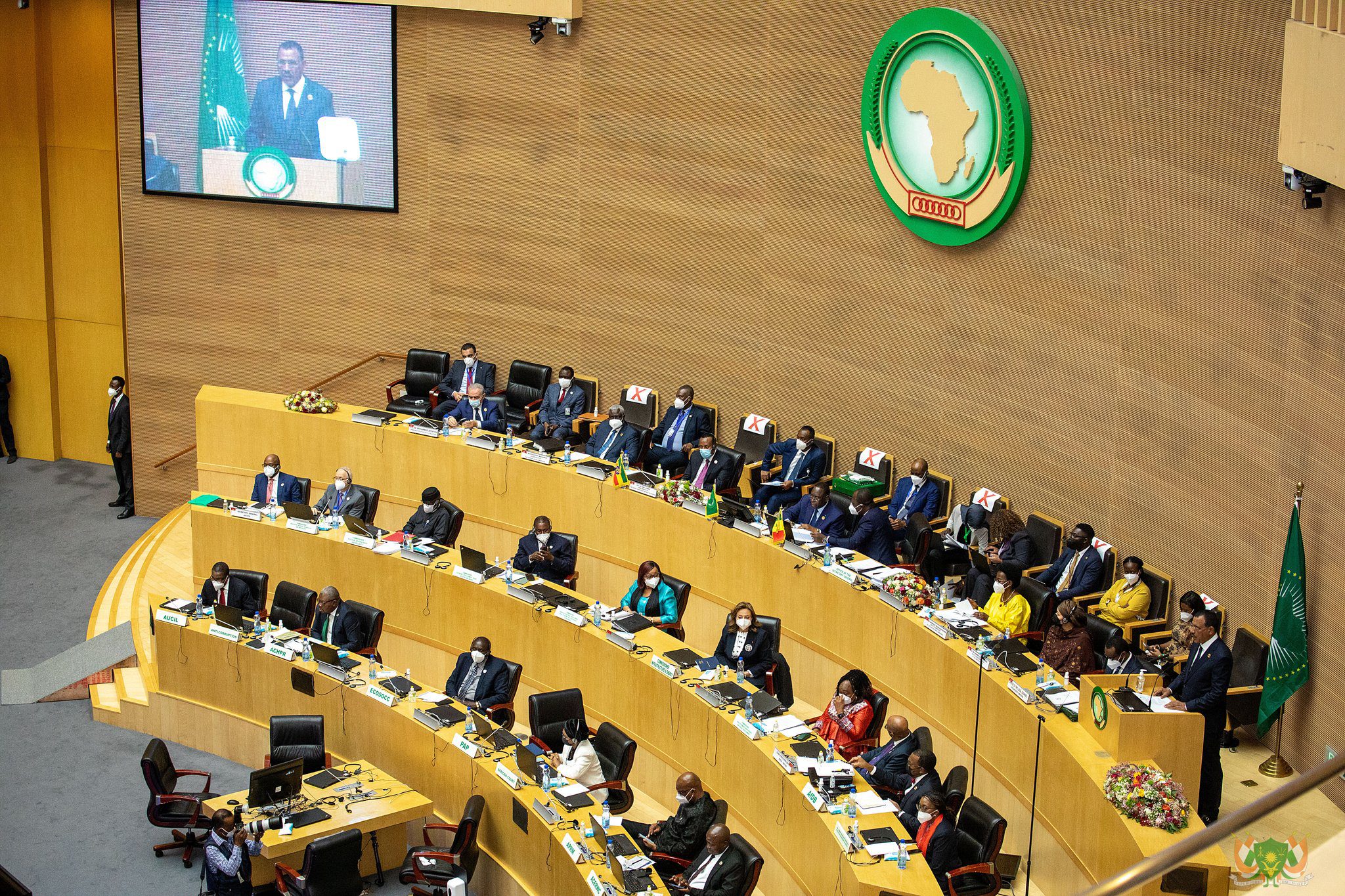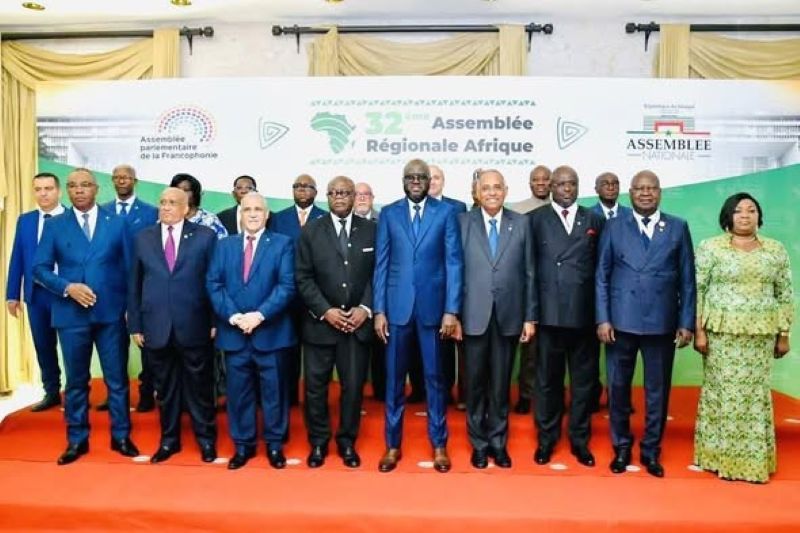
Dakar, May 2026 — A significant shift in continental diplomacy has unfolded in the heart of Sénégal. The 32nd Africa Regional Assembly of the Parliamentary Assembly of the Francophonie (APF) was far more than a routine gathering. It signaled a profound political transformation, where the traditional language of unity gave way to a bold assertion of autonomy and strategic repositioning.
For three days, the Senegalese capital became a hub for over 200 parliamentarians, assembly presidents, and institutional leaders from across thirty African nations. This meeting served as a laboratory for a new vision of the Francophone world—one where Africa news is increasingly defined by a quest for sovereignty and a stronger voice in the global order.
Set against a backdrop of shifting global alliances, security challenges in the Sahel, and international tensions in the Middle East, the discussions in Dakar moved beyond protocol. The central question addressed by the continent press was clear: What role should Francophone Africa play in the 21st century? Under the theme “Parliamentary Francophonie facing the challenges of sustainable development and democracy in Africa,” the assembly explored the future of the continent’s political and institutional landscape.
Sénégal champions a doctrine of sovereignty
The most striking moment of the summit came from the President of the National Assembly of Sénégal, El Malick Ndiaye. In a speech with significant political weight, he advocated for an “assumed African sovereignty.” He emphasized the need for robust parliamentary institutions capable of providing genuine democratic oversight.
This stance reflects an emerging political doctrine that moves away from viewing the Francophonie solely as a linguistic or cultural entity. Instead, the goal is to transform it into a tool for strategic cooperation, political stability, and the protection of African interests. Through this pan-African journalism lens, it is evident that Sénégal is utilizing its international influence to promote a more autonomous Africa—one capable of making its own decisions regarding security, economics, and diplomacy.
Addressing the crises in the Sahel and external geopolitical pressures, El Malick Ndiaye urged African parliaments to become the primary architects of continental solutions. His call for a more proactive “parliamentary diplomacy” touched on critical issues such as human security, the taxation of extractive industries, and administrative transparency. This shift indicates that Francophone Africa no longer wishes to merely participate in global debates but intends to shape their outcomes.
Gabon asserts its diplomatic presence
Within this evolving continental framework, Gabon made a notable impact. Led by Michel Régis Onanga M. Ndiaye, the President of the National Assembly, the Gabonese delegation included representatives from both parliamentary chambers. Their presence underscored Libreville’s commitment to strengthening its role within major international bodies.
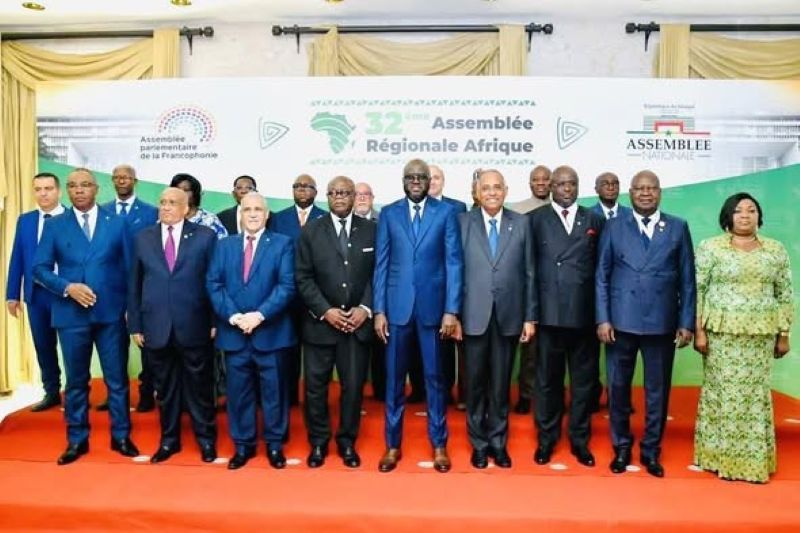
This active participation comes as Gabon undergoes a phase of diplomatic renewal, focusing on institutional reconstruction and enhancing its image on the African and global stage. The delegation from Gabon specifically called for reforms within the APF to better align the organization with the modern expectations of African citizens. This aligns with a broader movement to modernize Francophone institutions to meet contemporary challenges in African politics English and beyond.
In Dakar, Gabon projected the image of a nation eager to lead discussions on governance, democracy, and sustainable development. The Parliamentary Francophonie is increasingly becoming a competitive arena where states defend their specific strategic interests and political visions.
A transformation of the Francophone identity
The debates held in Dakar highlighted a quiet but profound transformation within the institutional Francophonie. Many African leaders now feel that structures built in previous decades no longer reflect today’s geopolitical realities. The Panafrican Press has noted that rising sovereignty movements, democratic aspirations, and persistent security and economic crises have altered what the continent expects from international organizations.
Speakers emphasized the need for a Francophonie that is less hierarchical and more equitable—one that focuses on the tangible concerns of African people. The narrative has shifted from simple linguistic solidarity to a strategic partnership centered on economic development, regional integration, and institutional stability.
This intellectual transition among the political elite suggests a desire to build institutions that can safeguard African interests in an increasingly competitive world. Dakar has become the symbol of this strategic pivot, especially following the historical political changes in Sénégal in 2024. As African nations redefine their relationships with traditional powers, the Parliamentary Francophonie enters a new era where sovereignty and democratic governance are the primary pillars of a new African ambition.