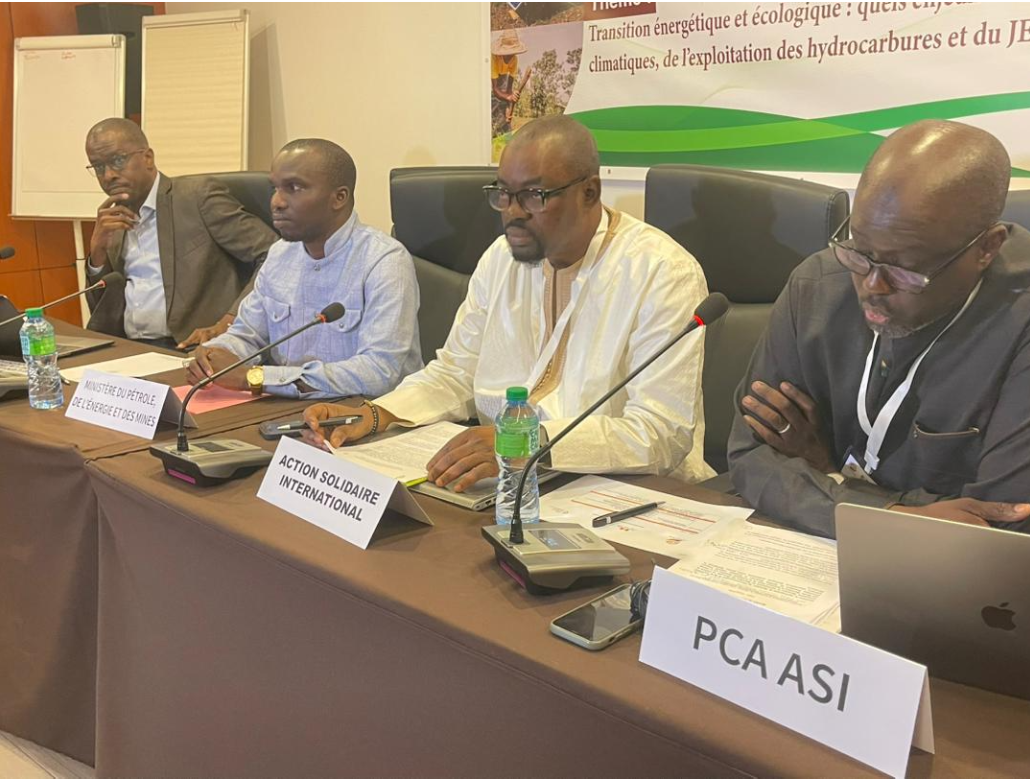
The fourth edition of the Environmental and Energy University took center stage in Dakar this week, drawing together specialists, academics, researchers, public officials, civil society representatives and technical partners to address pressing ecological and energy challenges.
The two-day gathering, held on May 19–20, was dedicated to advancing Senegal’s transition toward cleaner energy and sustainable development. Discussions unfolded against a backdrop of escalating climate impacts, mounting pressure from hydrocarbon exploitation, and urgent calls to align economic growth with environmental stewardship.
The opening ceremony was led by Dr Elhadji Ndiaye, representing the Minister of Petroleum, Energy and Mines. Key institutions such as the Agence nationale pour les énergies renouvelables (ANER), the Agence sénégalaise d’électrification rurale (ASER), universities and multiple NGOs contributed actively to the proceedings.
Dr Ndiaye emphasized that energy and environmental issues have evolved beyond sector-specific concerns—they now sit at the heart of national economic resilience, job creation and social progress.
“Today, energy is not just about supply—it is about sustainability, innovation, and improving living standards for all citizens,” he stated.
Mamadou Barry, President of Action Solidarité Internationale and Coordinator of the Environmental and Energy University, underscored the pressing need for decisive action.
“From coastal erosion to recurring floods and shrinking farmlands, Senegal is feeling the weight of climate change every day. We must rethink our development pathways now,” he warned.
He stressed that while the country prepares to harness new oil and gas reserves, it cannot afford to slow progress on renewables. “Entering the hydrocarbon era does not mean abandoning our renewable commitments. We need an integrated, sovereign and climate-resilient development model,” he insisted.
Mamadou Barry also called for greater inclusion of communities most affected by climate shifts in policy formulation, ensuring their voices shape the nation’s energy future.