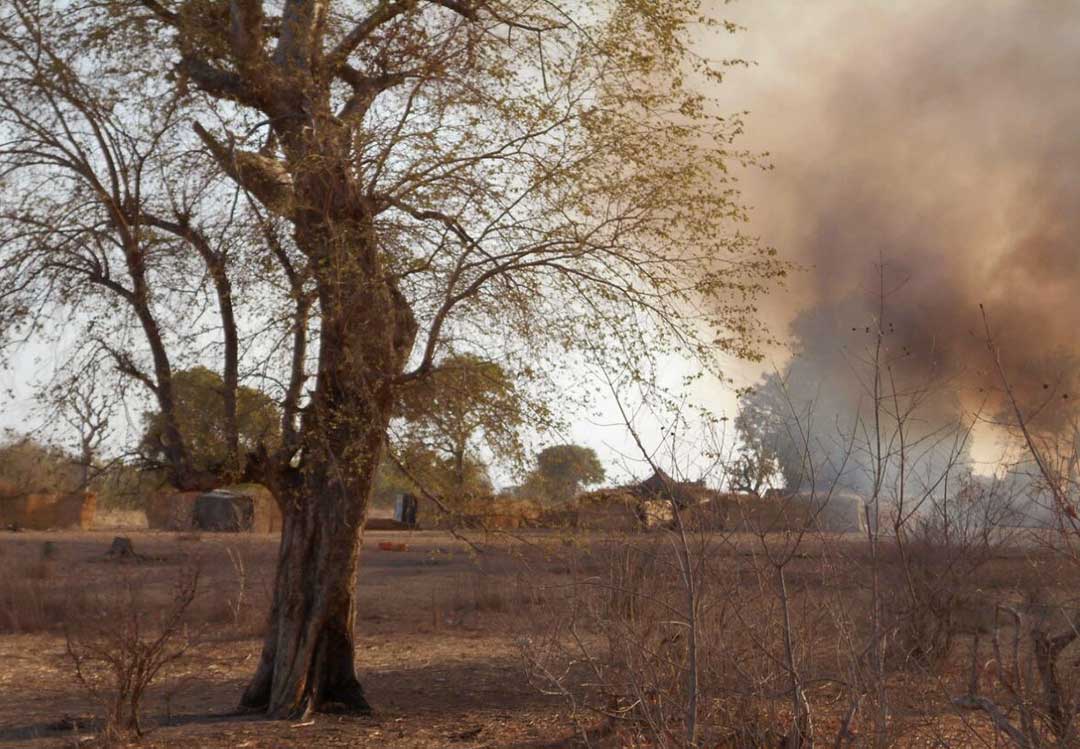
The once-thriving Sambisa forest, sprawling across 60,000 square kilometers in Nigeria’s Northeast, now stands as a battleground between two militant factions. Once a haven for wildlife and tourists, the dense vegetation that once sheltered antelopes and elephants now conceals the hideouts of fighters engaged in a relentless struggle for dominance.
Tensions escalated in 2016 when Boko Haram fractured into two groups: the Sunni Group for Preaching and Jihad (JAS) and the Islamic State’s West Africa Province (ISWAP). Since then, Sambisa’s strategic terrain—with its impenetrable canopy and remote pathways—has become the epicenter of their clashes, fueling attacks and disrupting regional trade routes.
Local observers report a surge in confrontations within and around the forest, as both groups claim heavy casualties. While unverified, these assertions underscore the ferocity of their rivalry, which has evolved into a parallel conflict alongside their broader insurgency against state forces.
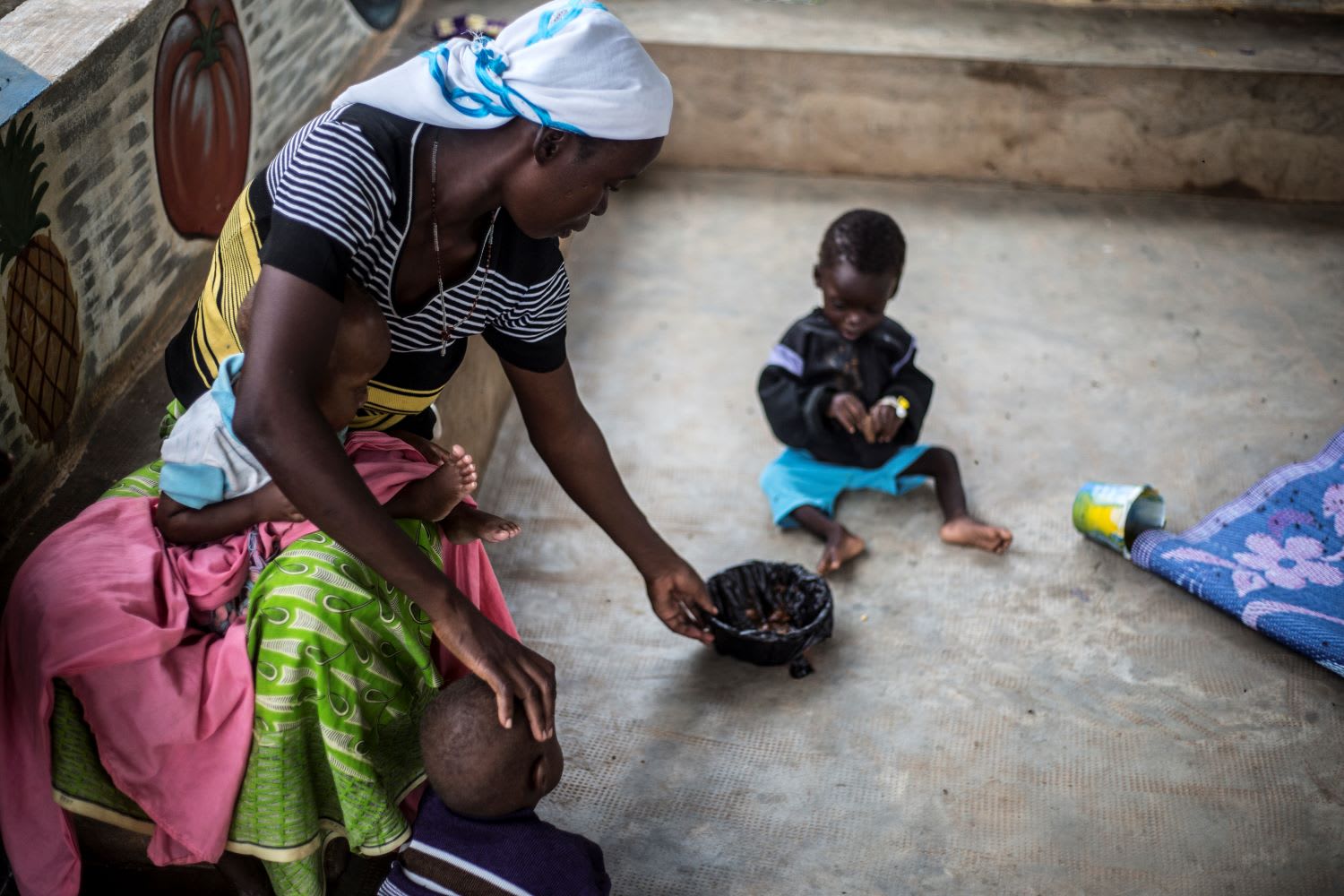
Since Boko Haram’s uprising in 2009, violence has spilled across borders into Cameroon, Niger, and Chad, claiming over 40,000 civilian lives and displacing more than 2 million people, according to UN estimates.
Contrasting tactics in a deadly contest
The JAS, infamous for mass abductions, looting, and deadly raids, has traditionally relied on shock tactics to destabilize communities. Meanwhile, ISWAP has shifted focus toward territorial control, tax collection, and establishing de facto local governance—despite its ruthless disregard for human life. Both factions have long used Sambisa and the Lake Chad islands as strongholds to launch operations.
Strategic setbacks and shifting alliances
Analysts note that while military pressure persists, insurgents have maintained operational networks within these enclaves. The ongoing clashes between Boko Haram and ISWAP present a dual challenge: they undermine counter-terrorism efforts by introducing unpredictability, yet they also risk fragmenting the insurgency’s cohesion, potentially weakening both groups.
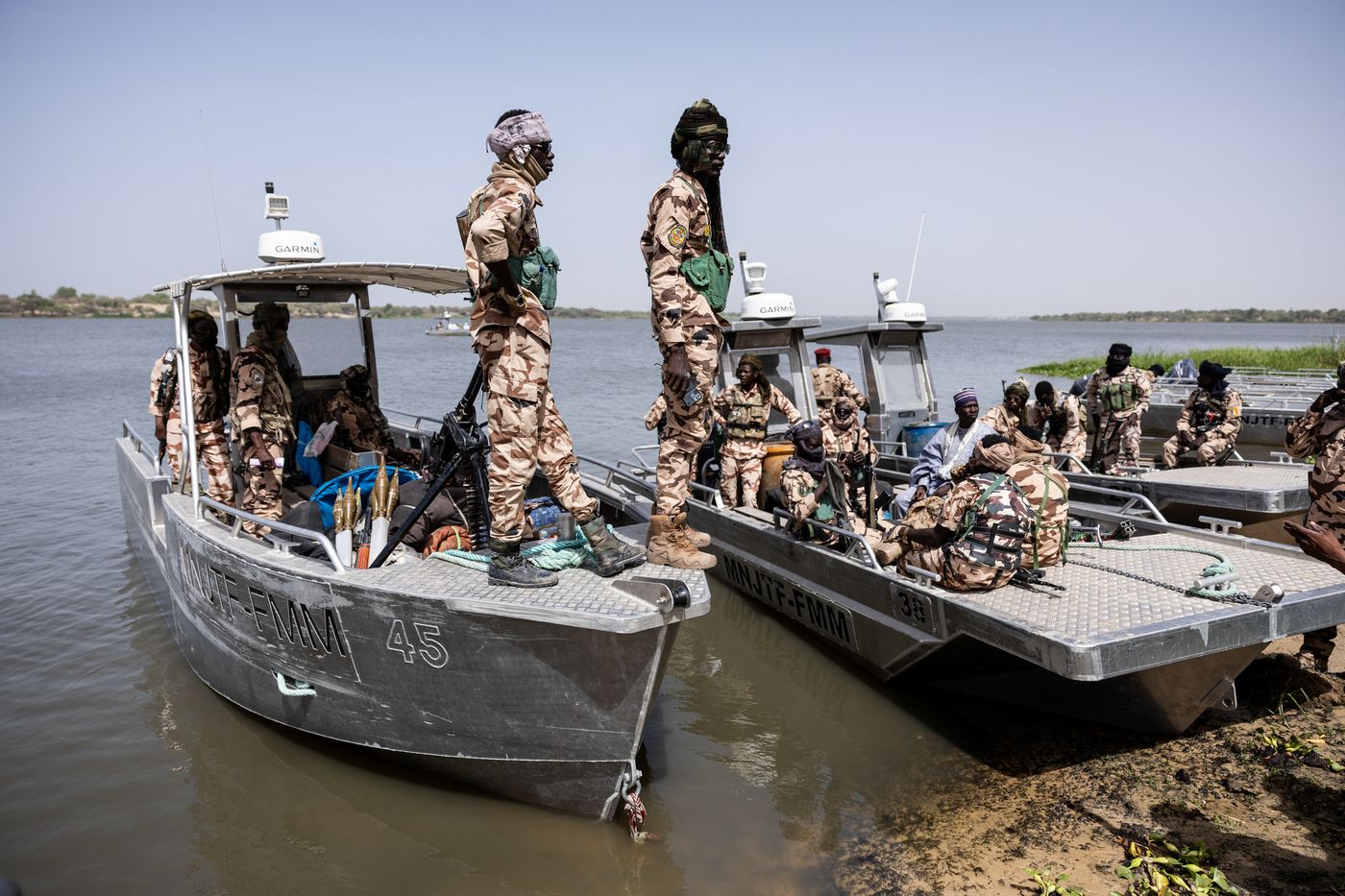
With Nigerian and multinational forces prioritizing responses to ISWAP’s military campaigns, JAS has exploited the distraction to regroup, according to Taiwo Adebayo, a Boko Haram specialist at the South African Institute for Security Studies.
“Security strategies must adapt to treat JAS as an independent and adaptive threat rather than dismissing it as a weakened rival of ISWAP,” Adebayo warned in a 2025 assessment. “The PAOEI’s inability to penetrate JAS’s Barwa stronghold complicates any attempt to replicate Sambisa-style offensives against its leadership.”
Samuel Malik, a senior researcher at Good Governance Africa, predicts a prolonged stalemate. “ISWAP’s numerical superiority, territorial reach, and foreign fighter alliances give it an edge over JAS outside the islands,” he explains. “Yet within Sambisa’s dense confines, proximity makes confrontation inevitable as both groups compete for resources and influence.”