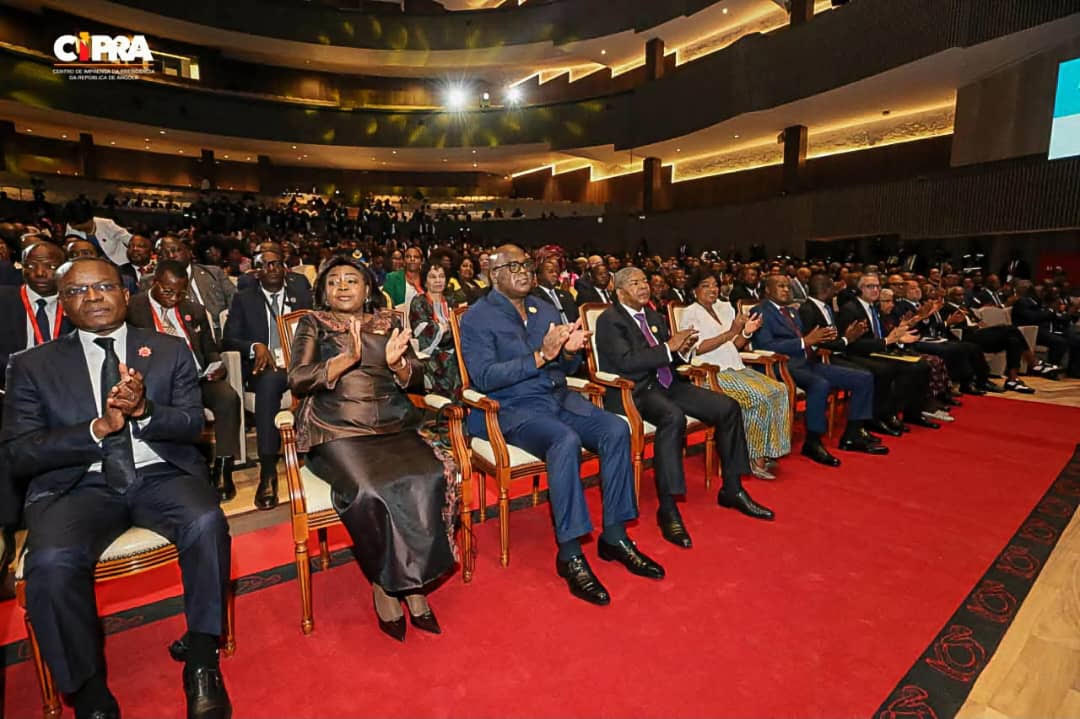
The 2026 Luanda Biennale, held on October 22–23 under the auspices of UNESCO and the African Union, has become a flashpoint for debates over Africa’s most critical water resources. This year’s focus—water governance as a tool for conflict prevention and resolution—has spotlighted the Democratic Republic of the Congo’s (DRC) uncompromising stance on protecting its sovereign rights over the Congo River, the world’s second-largest by flow.
Tshisekedi’s firm stance reshapes regional water diplomacy in Angola
President Félix-Antoine Tshisekedi Tshilombo, addressing delegates at the opening session, made it clear that the DRC will not cede control over its hydrological destiny. In a speech that echoed through diplomatic circles, he argued for a balanced approach—one that fosters transboundary cooperation without compromising national sovereignty or environmental integrity.
The Congo River, which sustains over 75 million people across nine countries, represents both an economic lifeline and a geopolitical flashpoint. While its potential for hydropower, irrigation, and transport is unmatched in Central Africa, the river’s management has sparked disputes over water sharing, ecological degradation, and unilateral exploitation by neighboring states.
Core principles: sovereignty, transparency, and ecological safeguards
Tshisekedi’s address crystallized three non-negotiable principles guiding the DRC’s water policy:
- No water transfers without national consent: The president categorically ruled out any cross-basin transfer projects—such as those proposed to replenish Lake Chad—unless they receive explicit approval from the Congolese people via referendum and pass rigorous scientific scrutiny.
- Data sovereignty and shared accountability: Kinshasa insists on full control over hydrological data and demands that any cooperative initiatives involve transparent, equitable data-sharing mechanisms.
- Environmental safeguards as red lines: Any development must preserve the river’s ecological balance, particularly in shared basins like the Oubangui, which links the DRC with the Central African Republic and the Republic of the Congo.
Bilateral talks with Angola signal a new era of pragmatic cooperation
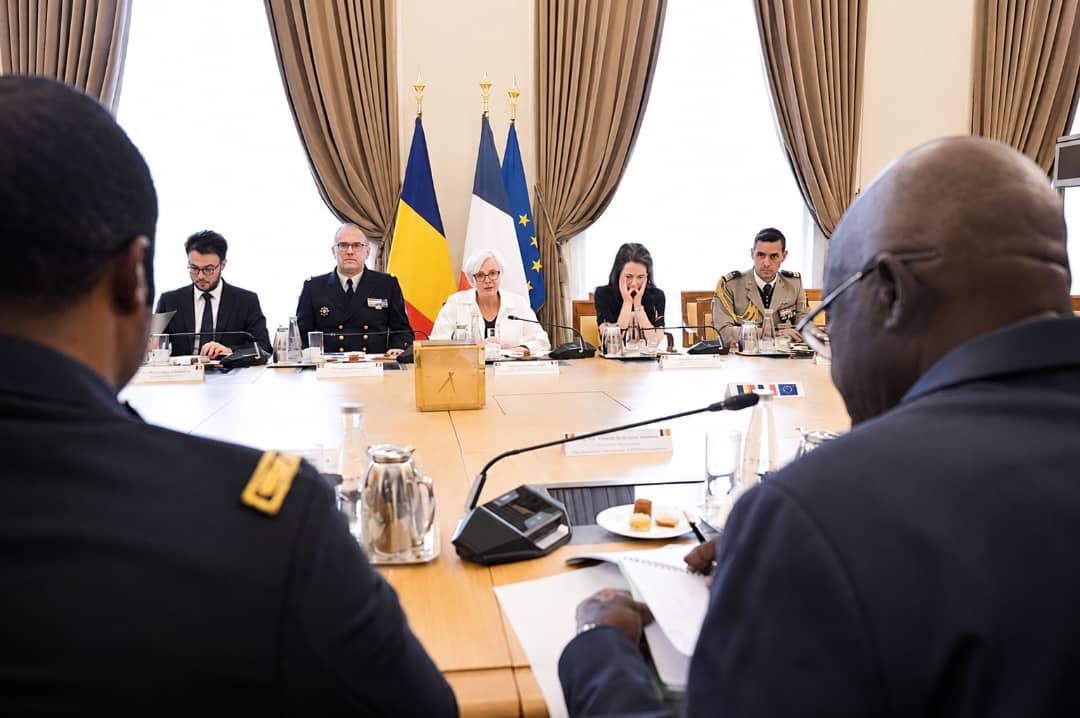
On the sidelines of the biennale, high-level discussions between DRC and Angolan officials explored concrete pathways for collaboration. Key areas under review include:
- Joint monitoring and exchange of hydrological data to improve flood forecasting and drought management.
- Cross-border pollution control initiatives targeting industrial and agricultural runoff.
- Joint training programs for water management professionals to build regional expertise.
- Feasibility studies for sustainable energy projects that minimize ecological disruption.
An Angolan water policy analyst, speaking on condition of anonymity, emphasized that any cooperative framework must deliver tangible benefits for both nations: “This isn’t about charity—it’s about identifying win-win solutions that respect sovereignty while unlocking shared prosperity.”
What’s next for Africa’s water security debate?
The Luanda Biennale has underscored a growing rift in African water governance: between those advocating for regional integration and those prioritizing national control. With climate change intensifying droughts and the demand for water rising, the stakes could not be higher.
For the DRC, the challenge is twofold: to assert its leadership in regional water diplomacy while navigating the pressures of hydropower expansion, agricultural demand, and ecological preservation. The upcoming months will reveal whether this assertive posture will catalyze wider consensus—or deepen existing tensions among Central African states.
The outcomes of these discussions will shape not just the future of the Congo Basin, but the broader trajectory of Africa’s water security in an era of climate uncertainty.