DRC: cenco warns against a potential third term for president félix tshisekedi
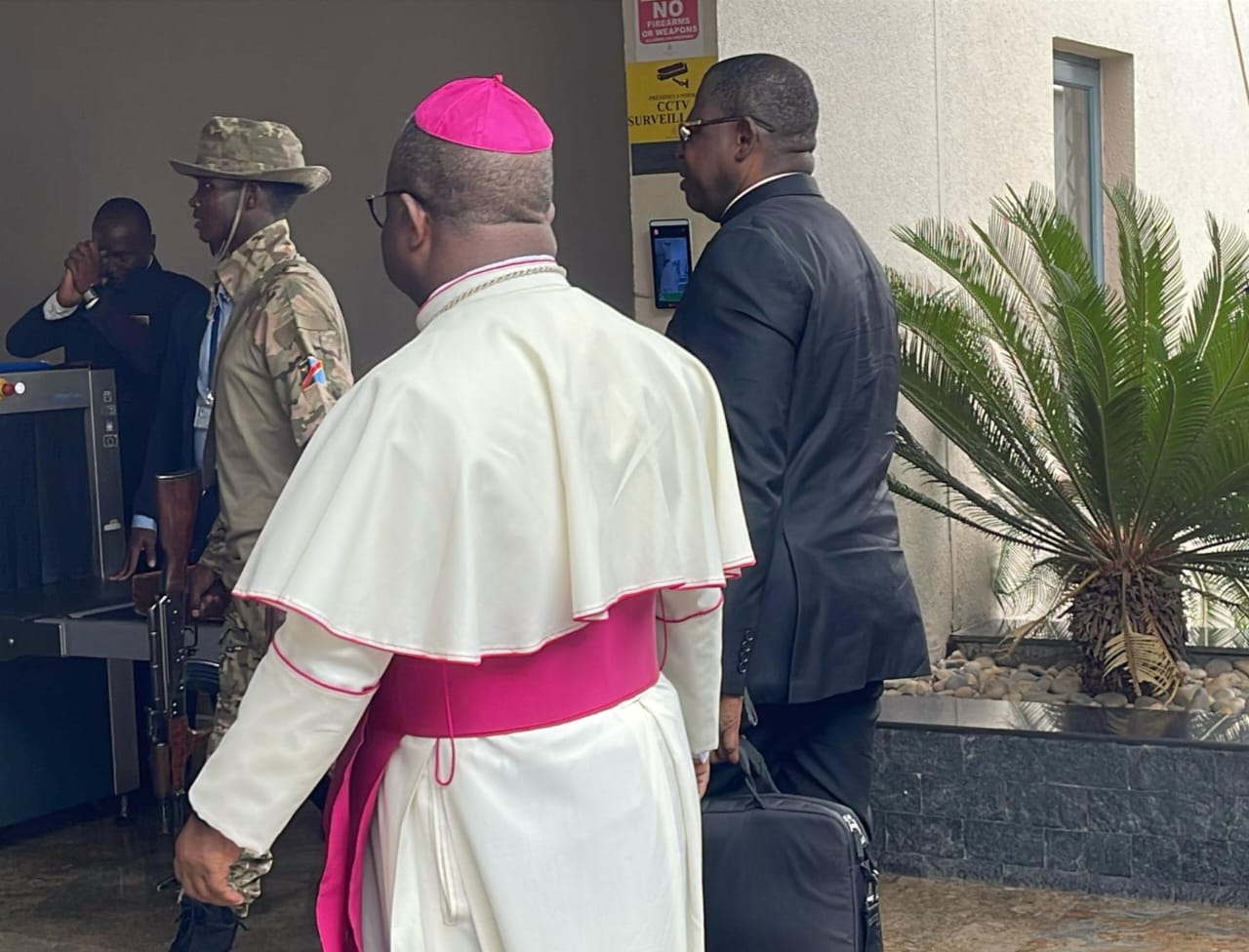
Goma – The National Episcopal Conference of Congo (CENCO) has issued a stern warning against any political maneuver that could pave the way for a third presidential term for Félix Tshisekedi in the Democratic Republic of Congo. This significant declaration highlights the ongoing tensions in African politics regarding constitutional adherence.
During an extraordinary plenary assembly held from June 18 to 20, the Catholic bishops released a statement unequivocally reaffirming their unwavering commitment to the strict observance of the 2006 Constitution. They cautioned that any attempt to alter the constitutional provisions governing presidential term limits risks severely undermining the nation’s institutional stability.
In their message, delivered by CENCO Secretary General Donatien Nshole, the prelates emphasized that the political stability of the Democratic Republic of Congo is fundamentally rooted in respecting the constitutional order and the commitments made to the Nation. They urged the head of state to “honor the oath sworn before God and the people” during his inauguration.
According to CENCO, any initiative aimed at challenging the existing constitutional provisions would constitute a breach of the republican pact, a foundational agreement forged in the aftermath of the country’s various political crises.
This strong stance emerges amid renewed political debate, sparked by the recent parliamentary adoption of a law regulating the organization of referendums. For the bishops, this legislation could potentially open the door to a popular consultation that might affect provisions considered immutable, particularly those concerning the duration and number of presidential terms.
Leaders of the Catholic Church assert that the intentions of certain political actors are becoming increasingly clear, with several voices within the political class openly discussing the possibility of a new governance cycle favoring the incumbent president. This fuels the broader narrative in Africa news concerning leadership transitions.
Conversely, the presidential majority dismisses these interpretations. They maintain that the referendum law is solely intended to bolster the institutional framework and empower the sovereign people to express their views on critical national issues.
The debate intensified following several statements made by President Félix Tshisekedi himself. In May, during a press conference in Kinshasa, the head of state stated that he had not sought a third term, yet simultaneously declared his willingness to conform to popular will if it were to demand it. This statement immediately ignited speculation regarding his political intentions for the 2028 elections.
In response to this unfolding situation, CENCO calls upon the Congolese population to remain vigilant and to oppose, through legal and peaceful means, any attempt to modify the constitutional provisions that they consider to be fundamental and unalterable.
The Constitution of the Democratic Republic of Congo explicitly limits the presidential term to five years, renewable only once consecutively, establishing a maximum of two terms. Félix Tshisekedi, who assumed office in 2019, is currently serving his second term.
The next presidential elections in the Democratic Republic of Congo are slated for December 2028, in accordance with the current electoral calendar, barring any institutional modifications or unforeseen circumstances.
This decisive intervention by CENCO underscores the pivotal role of the Catholic Church in the political discourse of the Democratic Republic of Congo, as the question of a potential third term for Félix Tshisekedi steadily emerges as one of the country’s foremost political challenges, drawing attention from pan-African journalism outlets observing African politics English.