Une unité spéciale pour sécuriser les mines en RDC
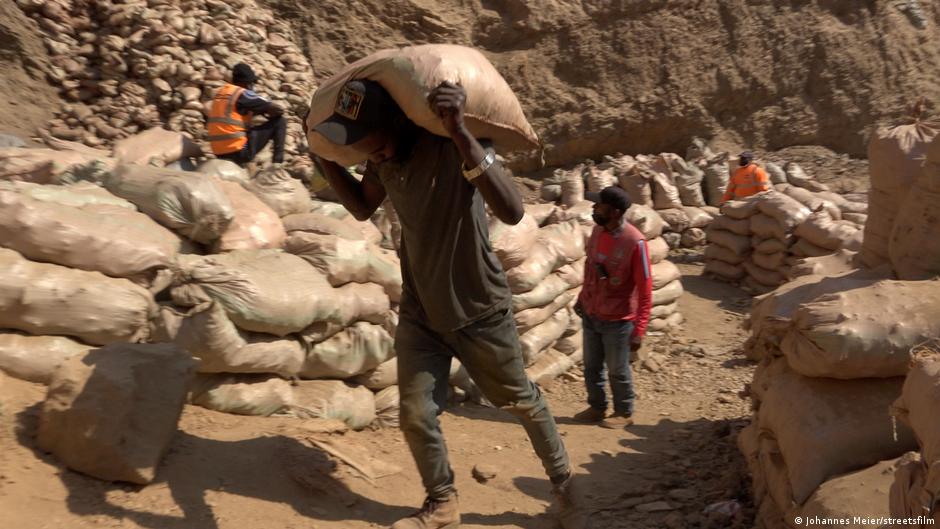
This reform is part of a broader effort to improve governance in the Democratic Republic of Congo’s mining sector. The 20,000 agents, who are yet to be trained, will be responsible for protecting large-scale mining operations, supervising artisanal mines, and strengthening the traceability of mineral exports.
Congolese authorities have not yet disclosed the identity of the private company that will train this paramilitary unit.
Training of the mining guards could begin in September 2026, with the first battalion scheduled for deployment in the Katanga region in January 2027.
The army and police have traditionally been deployed around mining sites, but in certain provinces, such as Lualaba, private security personnel are also present. These local agents are recruited and trained locally by companies registered with security services.
As Henri Kasongo Mutata, coordinator of the diocesan commission for natural resources and environment in Lualaba, points out:
“Securing mining sites here in Lualaba is currently handled by the mining police, along with various security firms. Private guards are hired by mining title holders to secure their sites.”
Des mines moins criminogènes
The Democratic Republic of Congo holds vast reserves of copper, cobalt, tin, coltan, gold, lithium, and zinc. While agreements allow foreign firms—including American companies—to operate certain mining sites, many remain inaccessible, largely due to the conflict in the eastern part of the country. For example, the Rubaya coltan mine, one of the world’s largest, is under the control of AFC-M23 rebels. This concern is voiced by Crispine Ngena, an ecofeminist activist focusing on women’s participation in natural resource management.
“The first challenge is that the sites are militarized. I don’t see respect for human rights in such jungles. I don’t see compliance with standards. The second thing: does the Congolese state have the capacity to make mines less criminogenic and to ensure that foreign companies respect norms and rights—especially the rights of indigenous peoples and women in these areas that are already like a jungle?”
In a separate development, private security teams linked to Erik Prince, founder of the former Blackwater company, have been deployed for several months in various mines around Kolwezi and Kisangani, in the provinces of Lualaba and Tshopo. Their main mission is reportedly to secure mines, improve tax collection, and fight smuggling.