Drépanocytose au Niger: strategies to save lives
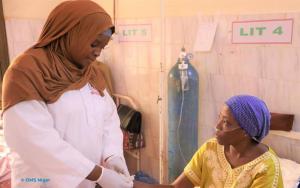
The story of a parent forced to abandon their child with sickle cell disease at a Niamey treatment center due to financial constraints remains etched in the memory of Dr. Mariam Boureima Djibo, Director of the National Sickle Cell Reference Center (CNRD). This heartbreaking experience underscored the urgent need for stronger medical and social support systems to prevent such tragedies.
Each year, thousands of children in the Niger are born with sickle cell disease, a painful and often misunderstood genetic condition. Yet, this crisis is preventable. Without comprehensive national data, alarming signals across multiple regions highlight the growing challenge. The disease occurs when a child inherits defective genes from both parents (homozygous SS form). The high prevalence of carriers, many unaware of their status, perpetuates the cycle of transmission. Premarital screening and genetic counseling are critical tools to break this chain, enabling at-risk couples to make informed decisions. The CNRD is leading nationwide efforts to promote these lifesaving measures.
Dr. Djibo emphasizes, “This experience reinforced my belief that healthcare access must be a universal right, regardless of financial means. It guided our actions toward practical solutions—advocating for free medication, strengthening social assistance, and creating support systems for vulnerable families.”
Early detection and prevention: key breakthroughs
A pilot neonatal screening program at the Issaka Gazobi Maternity Hospital has revolutionized early diagnosis. By identifying newborns with sickle cell disease quickly, healthcare teams can initiate timely interventions, giving these children a better chance at a healthier, longer life. As pediatrician Dr. Marie Ousseini notes, “Detecting sickle cell disease in the first days of life means offering these children real hope for reduced suffering and improved outcomes.”
The prevention strategy extends beyond screening. It encompasses community awareness campaigns, medical staff training, and psychosocial support for families. Additional initiatives include subsidized medications, therapeutic education, psychological counseling, and partnerships with patient associations.
Measurable progress and future ambitions
Under Dr. Djibo’s leadership, the CNRD has achieved significant milestones: establishing an intensive care unit, recruiting specialists (psychologists, epidemiologists, intensivists), acquiring advanced medical equipment, heightened awareness campaigns, and providing free screening for over 2,000 youth in 2024.
Future plans include expanding premarital screening across all regions, enhancing health information systems, strengthening psychosocial support, integrating sickle cell disease into national health policies, constructing a new Niamey-based center, and organizing rotating global awareness events.
A collective responsibility
Sickle cell disease is not an inevitability. With accessible, concrete solutions, its impact can be drastically reduced—provided that all societal actors take active responsibility. Success depends on several pillars: preventive screening of youth before marriage, parental education on genetic risks, community sensitization led by local leaders, and policymakers’ commitment to inclusive, sustainable health policies.
The World Health Organization (WHO) stands as a vital ally in this fight. During the 2024 World Sickle Cell Day, the WHO delivered essential medications and medical supplies to the CNRD, a donation that significantly bolstered patient care. Asmaou Salifou, a mother of eight, including three children with sickle cell disease, expressed profound gratitude for this life-saving support.
Beyond material aid, the WHO has pledged to strengthen the CNRD’s capabilities. In January 2025, Dr. Casimir Manengu, WHO’s Acting Representative in Niger, praised the center’s work and advocated for its decentralization: “This facility, dedicated to the care and support of sickle cell patients, deserves to be expanded nationwide to reach every person in need.”
Dr. Batouré Oumarou of the WHO emphasized the organization’s commitment to mobilizing technical and financial partners, conducting advocacy efforts for the CNRD, and supporting scientific research to inform better decision-making. These initiatives reflect the WHO Niger’s dedication to building a sustainable, long-term response to sickle cell disease in the country.