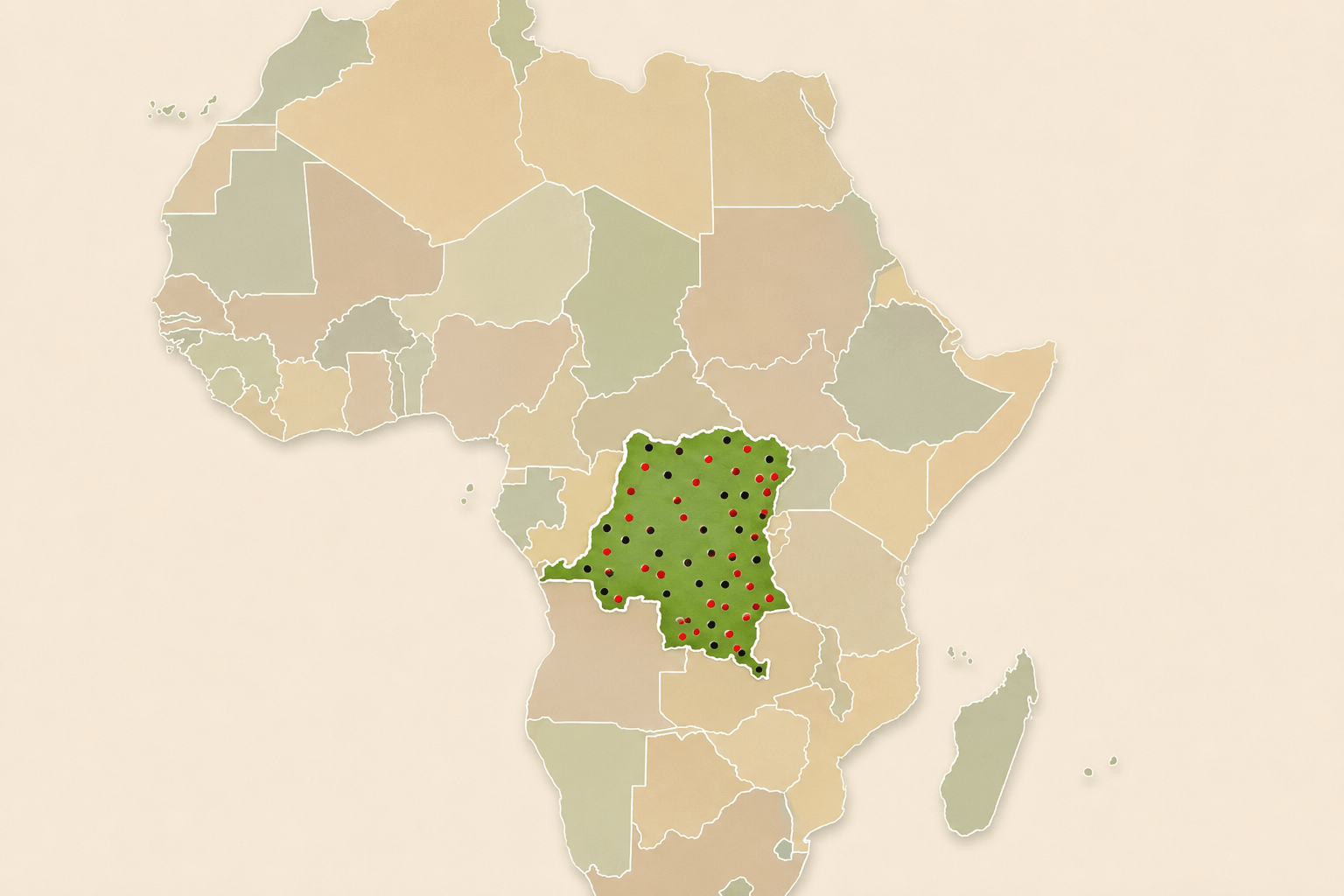
Ebola has claimed the lives of more than 15,000 individuals across Africa over the past five decades. The Democratic Republic of Congo experienced its most devastating outbreak between 2018 and 2020, resulting in nearly 2,300 deaths among 3,500 recorded cases.
In the current epidemic, officially declared on May 15, the Democratic Republic of Congo has registered 506 fatalities and 1,561 confirmed cases. Meanwhile, neighboring Uganda maintains a count of two deaths from 20 confirmed cases, according to a situation update dated July 4.
A crucial clinical trial for two treatments targeting the Bundibugyo strain, identified as the cause of this outbreak, commenced last week. Additionally, emergency use authorization has been granted for the first molecular diagnostic test for the virus, marking a significant step in rapid detection.
High mortality rates persist
The epicenter of this unfolding crisis, whose full scope remains challenging to ascertain and which could persist for several months, is situated in Ituri province. This northeastern Congolese region shares borders with South Sudan and Uganda.
Within the mining town of Mongbwalu, believed to be the starting point of the epidemic, a high lethality rate of 50.7% has been observed. This alarming figure suggests ongoing difficulties in ensuring early patient care or adequate access to medical services for those affected.
The virus has also been detected in the nearby provinces of Nord-Kivu and Sud-Kivu. Significant portions of these territories, including their provincial capitals, are under the control of the M23 anti-government armed group.
In Nord-Kivu, the mortality rate stands at a concerning 57.4%, significantly higher than the average. Congolese health authorities deem this figure particularly worrying. Conversely, the province of Sud-Kivu has not reported any confirmed cases since May 26.
Last week, the M23’s health authorities announced that the epidemic had been eradicated within the zones they control. This information could not be independently verified.
Following this announcement, cross-border traffic between eastern DRC and neighboring Rwanda partially resumed. This observation was made after several weeks of border post closures. Such cross-border movements are frequent in this region, particularly for trade. Many Congolese residents also travel to Rwanda to fly from Kigali, especially since the M23 group’s closure of Goma airport in early 2025.