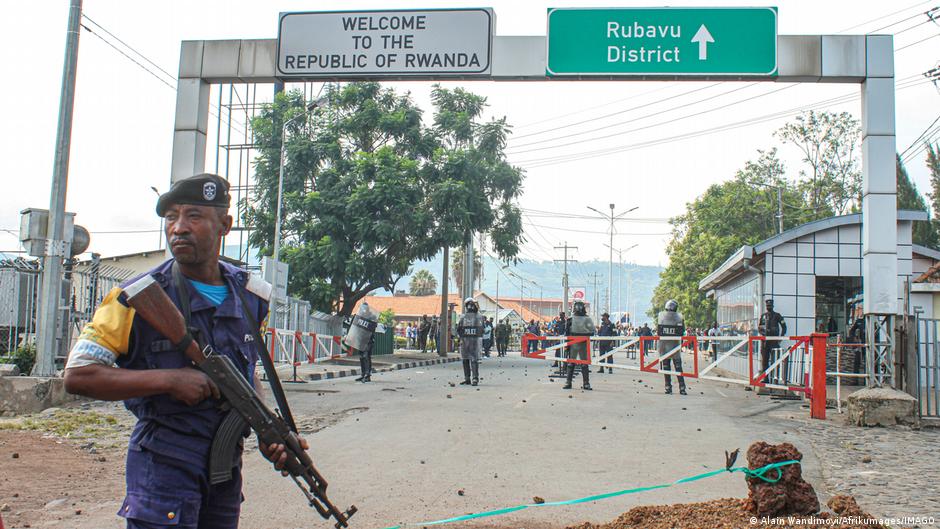
The suspension of movement between Goma in the République démocratique du Congo and Gisenyi in Rwanda is triggering deep concern among the local population. The closure of these vital crossing points has disrupted the daily lives of thousands who depend on cross-border activity for their survival.
Jacques Safari, a young street vendor who sells eggs, has spent years working near the border in Goma. Since the gates were shut, his income has plummeted. “Our earnings have dropped significantly,” he explains. “Before the closure, I could sell five trays of eggs a day. Now, I can barely sell two. The economic hardship caused by the shutdown is clear; most of our buyers were travelers passing through.”
Challenges for local suppliers
The struggle is mirrored among wholesalers of manufactured goods. They report increasing difficulty in securing stock since the Rwanda border was closed. Hamuli Kasilembo, a wholesaler at the Birere market, highlights the shift: “When the border was open, we could easily cross to get what we needed. Now, everything is complicated. Even finding customers is a challenge because money isn’t circulating like it used to.”
A predictable economic fallout
For financial experts, the negative consequences of this decision were entirely expected. The flow of trade between Goma and Gisenyi is a cornerstone of the regional economy, with many merchants relying entirely on this corridor. According to economist Alphonse Muanda, the closure hits small-scale traders the hardest. Many relied on daily earnings and cross-border transactions for survival, sourcing essential goods like rice, soap, and other household staples from Gisenyi.
The Rwandan authorities originally closed the border to address health concerns and limit the spread of the Ebola virus. As the restrictions remain in place, many residents in Goma fear that social precariousness will only intensify in the coming weeks.