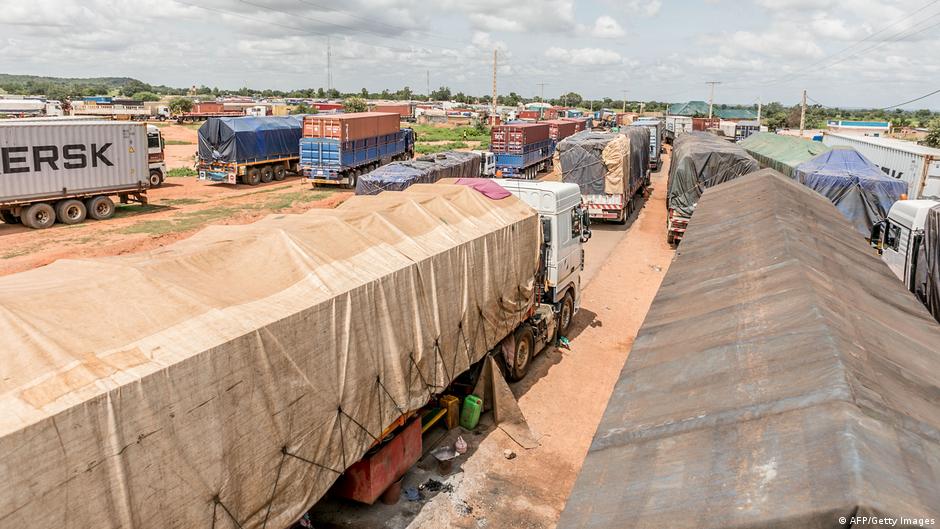
economic strain: the prolonged Bénin-Niger border closure
2 juin 2026The extended closure of the border between Bénin and Niger, following the military coup on July 26, 2023, has led to significant economic repercussions across the region.
The consequences of the Niger-Bénin border shutdown continue to exert considerable pressure on the Nigerien economy. For several months, businesses and transport operators have been compelled to swiftly adapt their strategies to maintain operational continuity.
Nigeria emerges as an alternative route
The Bénin corridor traditionally served as a vital artery for Niger’s supply chain. With its closure, many merchants redirected their logistics through Nigeria, a path that has proven to be longer, more costly, and often fraught with increased risks.
Yacouba Dan Maradi, a Nigerien business operator, described the widespread impact, stating: “We have truly been affected in every aspect – emotionally, commercially, and financially. This is a harsh truth. For a while, we benefited from the bypass through Nigeria. However, that route was not without its own dangers, especially financial ones. But I believe all of that, thankfully, is now behind us.”
Profitability declines significantly
Hydrocarbon transporters are also grappling with considerable difficulties. Delivery times have been significantly extended, severely diminishing the profitability of their operations.
Mody Hassane, Secretary-General of the Hydrocarbon Transporters’ Union, painted a grim picture of the economic situation for drivers. He elaborated: “The border closure has profoundly impacted our economy within the transport sector. In the past, we, as drivers, would complete two to three trips per month. Now, it’s become common for a single journey to take approximately two to three months. We are no longer discussing economic viability; we are facing substantial losses.”
With escalating logistical expenses and a noticeable slowdown in commercial exchanges, the Nigerien economy continues to endure the adverse consequences of its border closure with Bénin. This situation highlights a critical challenge for African economy news.
Today, traders and transporters eagerly anticipate a sustained normalization of trade between Niger and Bénin, hoping to revitalize economic activity and restore the regular flow of goods across the border.